Entertainment news and discussion on TalkFuse.
Natalia Lafourcade, Carlos Santana, and Edgar Barrera Find Hope in the Face of Violence in “Hermano”
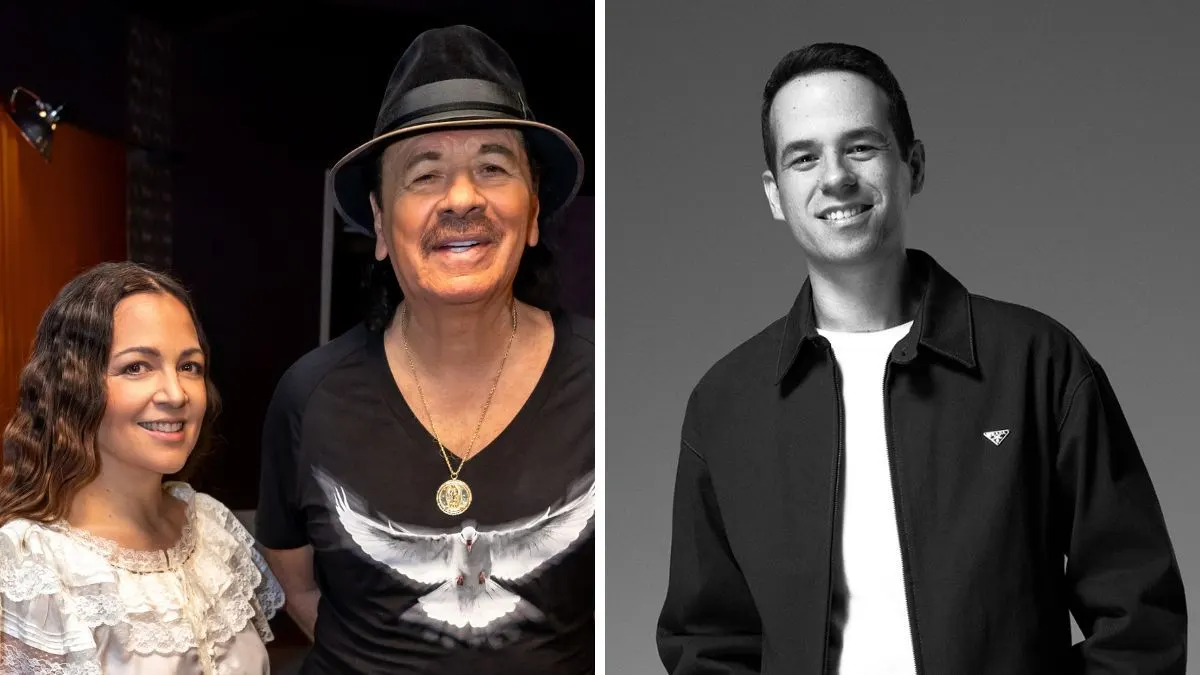
Carlos Santana, Natalia Lafourcade and songwriter-producer Edgar Barrera have released “Hermano”, a song addressing racism, discrimination against immigrants and violence. Blending Mexican son jarocho with Santana’s guitar, it aims to express solidarity and offer hope, continuing a conversation about issues that have persisted across generations.
The song was released on 29 October, after Santana and Barrera began discussing his next album about two years ago. Lafourcade brought an early, melancholic version to a meeting with Barrera in Miami; they reshaped it into a song balancing a forceful message with hope. Barrera says Santana has described facing mockery for being Mexican in the 1960s, and questions why more people are not speaking about racism and inequality affecting Latin Americans.
In short
- “Hermano” brings together Santana, Lafourcade and Barrera.
- The song addresses racism and hostility towards immigrants.
- Its son jarocho sound carries a message of solidarity and hope.
Explained simply
Son jarocho is a traditional music style from the Mexican state of Veracruz, often built around string instruments and lively rhythms. Carlos Santana, a Mexican-born guitarist who became known internationally in the 1960s, has drawn on Latin American musical traditions throughout his career.
Racism and discrimination against immigrants have shaped the experiences of many Latin Americans, including people living in the United States. Natalia Lafourcade is a Mexican singer-songwriter, while Edgar Barrera is a Mexican songwriter and producer; their work with Santana brings different generations of Mexican musicians to these themes.
The song’s title, “Hermano”, means “brother” in Spanish. Its mix of musical traditions and focus on solidarity connect a personal message of hope with wider debates about how Latin Americans are treated.