Culture news and discussion on TalkFuse.
Nintendo Shares Ocarina Of Time Switch 2 Design Sketches
Developing story first seen 5 hours ago
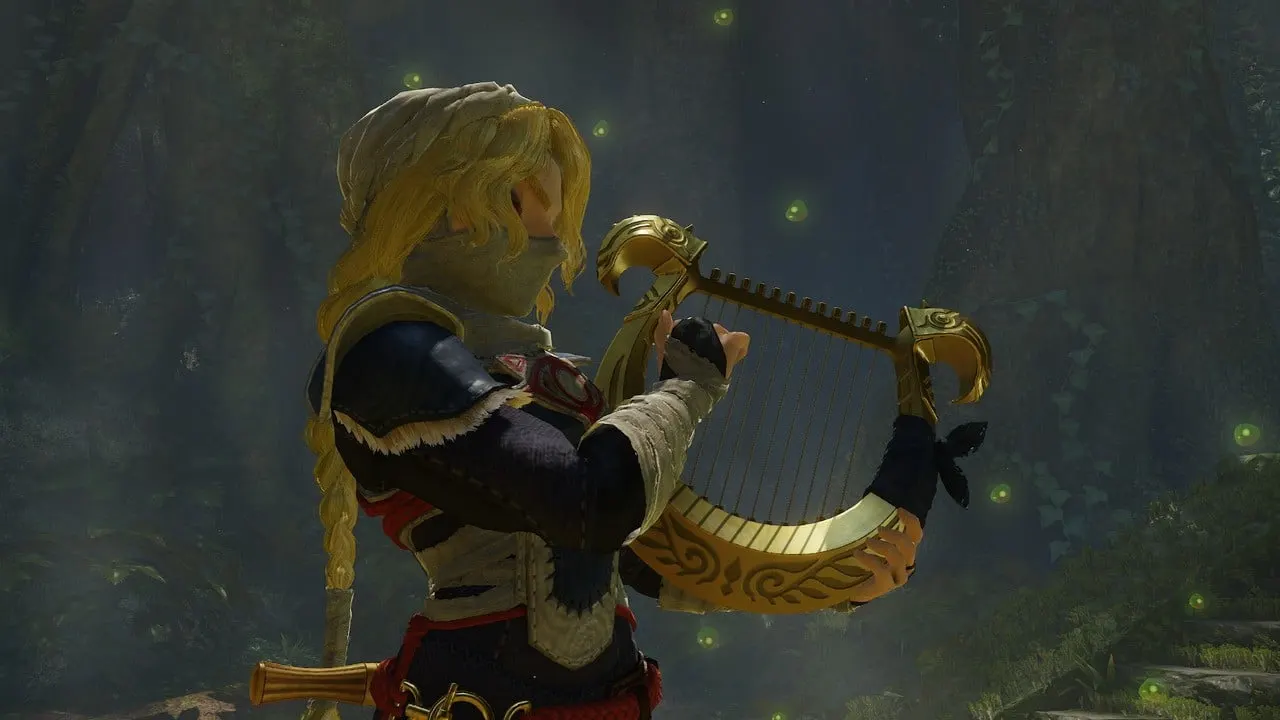
Nintendo has shared initial design sketches for the Switch 2 version of *The Legend of Zelda: Ocarina of Time*, revealing more about how the developers shaped its updated look. The team aimed to use the console’s greater power while preserving the original’s dark, unusual fantasy world.
Art director Aya Shida said the team sought a “puppet-show feel” and the look of practical-effects films, while keeping characters recognisable and adding details such as extra costume elements to Child Link. Director HokWai Ng said the maps retain the original locations and their connections, with a returning artist from the N64 game commissioned to draw a new map. The article also notes that the game lists AMD FSR 1.0 and SMAA rather than Nvidia DLSS; the writer says the choice has not noticeably harmed the visuals.
- Sources
- 2
- Outlets
- 2
- Left · Centre · Right
- 0 · 0 · 0
In short
- Nintendo shared early sketches of the Switch 2 game.
- Developers aimed to preserve the original’s distinctive atmosphere.
- The game appears to use FSR 1.0 and SMAA instead of DLSS.
How this story developed
- 1 hour ago Nintendo has shared early design sketches for its Switch 2 version of *The Legend of Zelda: Ocarina of Time*, offering a look at how the team approached its updated visuals and characters.
- 1 hour ago Nintendo has shared initial design sketches for the Switch 2 version of *The Legend of Zelda: Ocarina of Time*, revealing more about how the developers shaped its updated look.
Explained simply
The Legend of Zelda: Ocarina of Time is an adventure game first released for Nintendo’s Nintendo 64 console in 1998. Players guide Link, a young hero, through a fantasy world, solving puzzles and exploring places connected by a set of routes and maps.
Nintendo is a Japanese video-game company, and the Switch 2 is its newer console. The game’s updated version revisits the original’s artwork and settings, so the designers have had to decide how to add visual detail while keeping the distinctive characters and atmosphere familiar to returning players.
Coverage · 2 sources
Art Culture Entertainment Gaming Software Technology