World news and discussion on TalkFuse.
DOJ punches back after Illinois city moves to dismiss lawsuit against ‘race-based’ reparations program
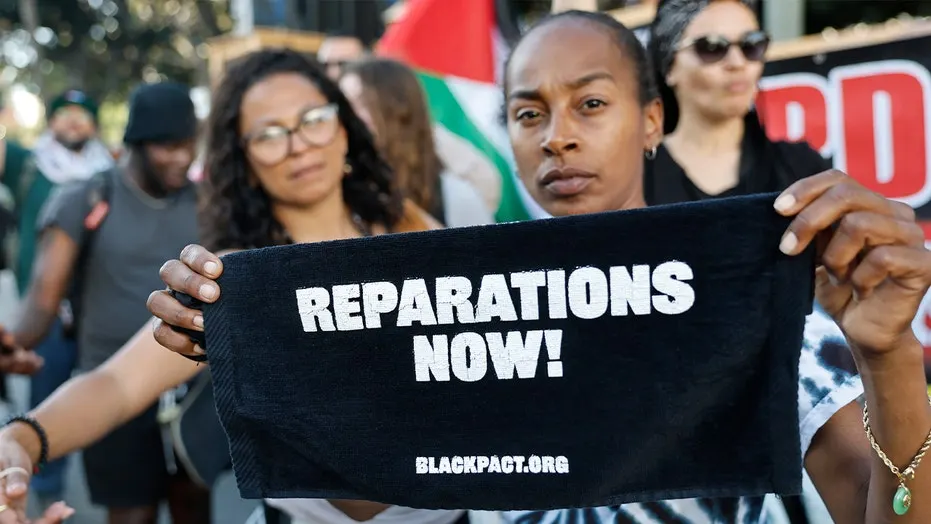
Evanston, Illinois, plans to ask a federal court to dismiss the US Justice Department’s lawsuit challenging its reparations programme, but the department says it will oppose the move. The dispute matters because the case tests whether a city can restrict public benefits by race and ancestry under federal civil rights and housing laws.
The programme offers $25,000, housing-related benefits and cash payments to eligible Black residents and descendants of Black residents who lived in Evanston from 1919 to 1969. Approved in 2019, it pledged $10 million over a decade, funded through a local cannabis tax. The Justice Department alleges the scheme breaches the 14th Amendment’s Equal Protection Clause and the Fair Housing Act; its case joins a separate lawsuit brought by Judicial Watch on behalf of six non-Black people who say they were excluded.
In short
- Evanston plans to seek dismissal of the federal challenge.
- The programme offers eligible residents $25,000 and housing benefits.
- The Justice Department alleges the rules violate federal law.
Steelman: both sides, in good faith
The strongest fair case each way — we don't pick a winner.
The case for
Supporters can argue that Evanston’s programme responds to specific, documented harms inflicted on Black residents through past housing discrimination, and that its eligibility rules target people and descendants directly affected by those policies. They may see housing assistance and payments as a practical, locally funded form of repair, while arguing that equal treatment can require addressing the lasting effects of unequal treatment.
The case against
Opponents can argue that government benefits should not be allocated by race or ancestry, even to remedy past injustice, because doing so burdens people who were not responsible for it and treats individuals differently on grounds protected by the Constitution and fair-housing law. They may favour remedies based on individual need or documented harm that do not use racial eligibility rules, and see judicial review as necessary to protect equal treatment under law.
Explained simply
Evanston is a city in Illinois that created a reparations programme in 2019 to address past discrimination. It offers eligible Black residents and descendants of Black residents who lived there between 1919 and 1969 housing-related help, cash payments and a $25,000 benefit, funded through a local cannabis tax.
The US Justice Department says the programme may breach federal protections requiring equal treatment regardless of race, including rules covering housing. The dispute also involves a separate case brought by six non-Black residents who say they were excluded. It raises questions about how local governments can design reparations and other public benefits under federal law.