Politics news and discussion on TalkFuse.
Britain says many migrants will have to wait longer to win the right to stay
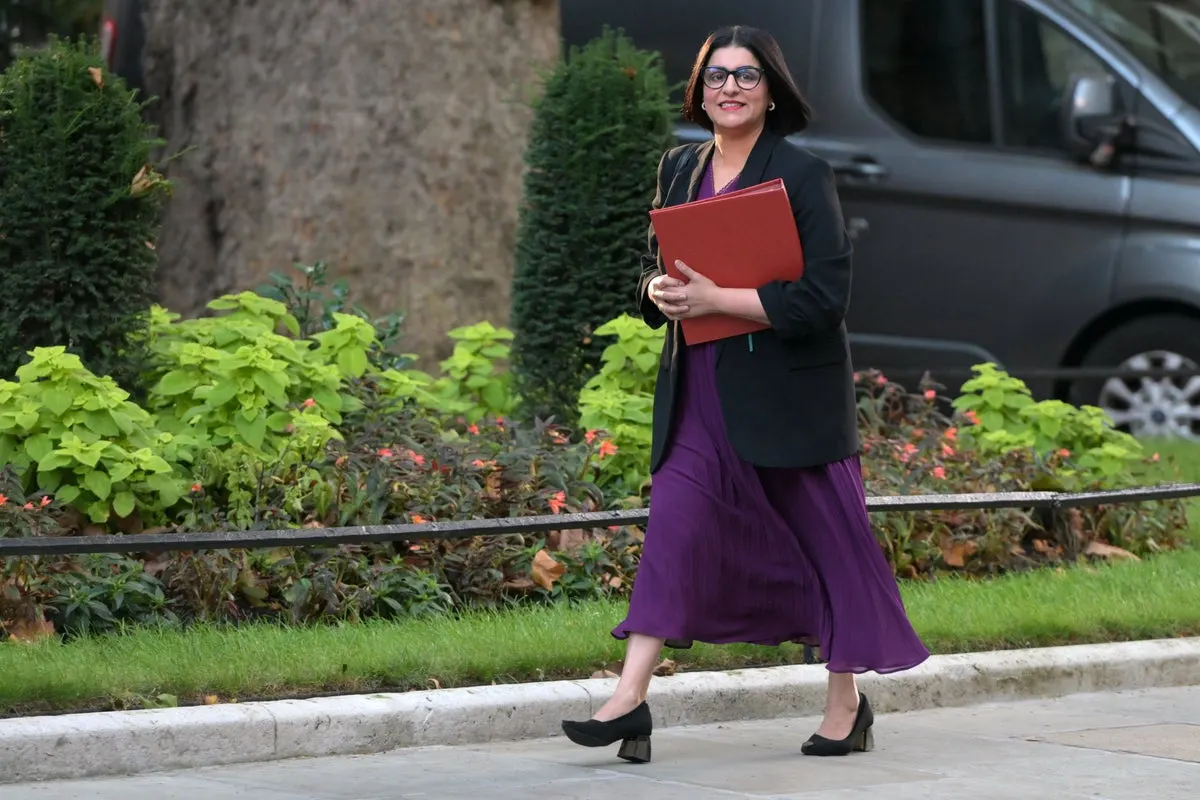
The UK government plans to double the standard wait for many work-visa holders to gain permanent settlement, from five to ten years. Home Secretary Shabana Mahmood says the changes, due in 2027, will link settlement more closely to income and contribution, amid sustained political pressure over immigration.
Higher earners and some public-sector workers will qualify sooner: those earning at least £50,000, including doctors, nurses and teachers, after five years; people earning over £125,000 after three. Care workers can still qualify after five years if they earn at least £25,000. Refugees who did not arrive through a safe, legal route may have to wait up to 20 years, or 30 years after arriving by small boat. Net migration fell from 649,000 in the year to June 2024 to 204,000 in the year to June 2025.
In short
- Many work-visa holders will wait ten years for settlement.
- Higher earners and some public-sector workers qualify sooner.
- Net migration fell to 204,000 in the year to June 2025.
Steelman: both sides, in good faith
The strongest fair case each way — we don't pick a winner.
The case for
Supporters could argue that permanent settlement should reflect sustained contribution and self-sufficiency, and that a longer standard route may help maintain public confidence in immigration rules. Faster routes for high earners and essential public-sector workers recognise their economic and social contributions, while the policy responds to pressure for a more controlled system.
The case against
Critics could argue that extending the wait makes long-term residents live with prolonged uncertainty, even when they work, pay taxes and build lives in Britain. Tying quicker settlement closely to salary may undervalue contributions that are essential but lower paid, while much longer waits for some refugees risk penalising people for how they arrived rather than their protection needs.
Explained simply
Permanent settlement, often called indefinite leave to remain, lets someone live in the UK without a time limit and can be a step towards citizenship. Many people who move to Britain for work first have visas tied to a job or other conditions, and must meet rules on residence before applying.
The Home Office, led by the Home Secretary, sets immigration rules. Settlement rules affect workers and their families, employers who recruit from abroad, and public services that rely on overseas staff; they also shape how people who have fled danger can build a long-term life in the UK.