Politics news and discussion on TalkFuse.
House Dems demand Haley Stevens’ exile as Jeffries reveals deadline on deciding her fate
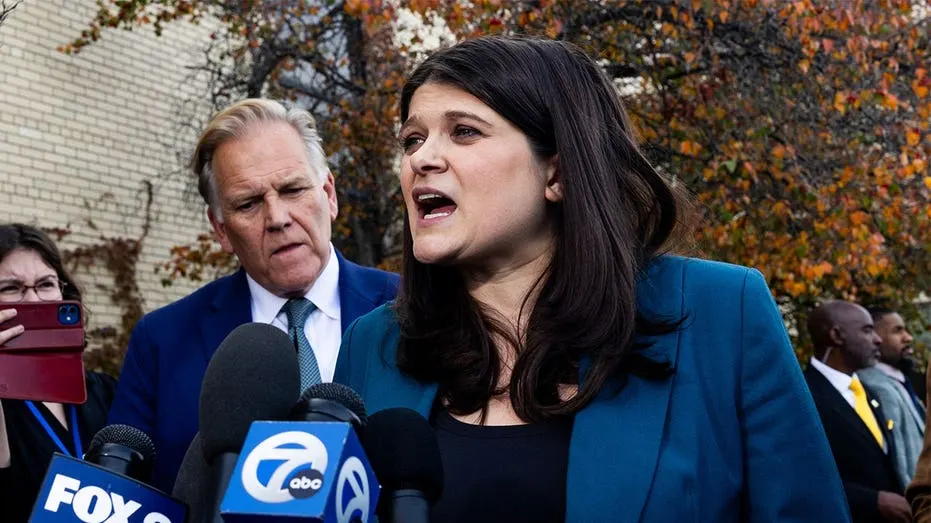
House Democratic leaders are postponing a decision on whether to discipline Rep. Haley Stevens after she endorsed Republican Senate candidate Mike Rogers in Michigan, prompting fellow Democrats to call for her removal from the party’s House caucus. The dispute matters because Stevens backed Rogers just days before the midterm election, despite having previously indicated she would not endorse him.
Stevens, a four-term Michigan lawmaker who is leaving Congress after losing the Democratic Senate primary to Abdul El-Sayed, had offered only limited support to his campaign and criticised his positions. Her endorsement followed a public request from El-Sayed’s campaign that she stay away from his events; Rep. Debbie Dingell said Stevens had assured her she would not back Rogers. Michigan’s Democratic Party says Stevens is no longer a member, while Reps. Delia Ramirez and Pramila Jayapal have also called for her caucus removal. Hakeem Jeffries said leaders would discuss next steps after the election.
In short
- Haley Stevens endorsed Republican Mike Rogers in Michigan’s Senate race.
- Democratic lawmakers are calling for her removal from the House caucus.
- Hakeem Jeffries says leaders will consider next steps after the election.
Steelman: both sides, in good faith
The strongest fair case each way — we don't pick a winner.
The case for
Democrats could argue that endorsing a Republican candidate so soon after a Democratic primary, especially after reportedly indicating she would not do so, undermines party unity and trust among colleagues and voters. Removing Stevens from the caucus could signal that shared commitments matter and protect the party’s ability to campaign coherently.
The case against
Stevens and her defenders could argue that elected representatives should retain freedom to make an individual endorsement, even when it conflicts with party strategy, and that caucus expulsion would punish political dissent. Given that she is leaving Congress and had offered only limited support to her party’s candidate, leaders could see delay or a lesser response as a proportionate way to avoid escalating the dispute.
Explained simply
Michigan’s Senate race is a contest for one of the state’s seats in the US Senate. Haley Stevens, a Democratic member of the House of Representatives, lost her party’s nomination to Abdul El-Sayed and is leaving Congress. Mike Rogers is the Republican candidate in the Senate race.
Stevens had previously given only limited support to El-Sayed’s campaign and criticised some of his positions. Her endorsement of Rogers drew objections from Democrats, including calls for her to be removed from the House Democratic caucus, the group of Democrats serving in the House. The dispute matters because party membership and support can affect how lawmakers work with their colleagues and campaigns.