Culture news and discussion on TalkFuse.
Battleground Dem touts bipartisan record, but can’t name single issue she’d work with Trump on
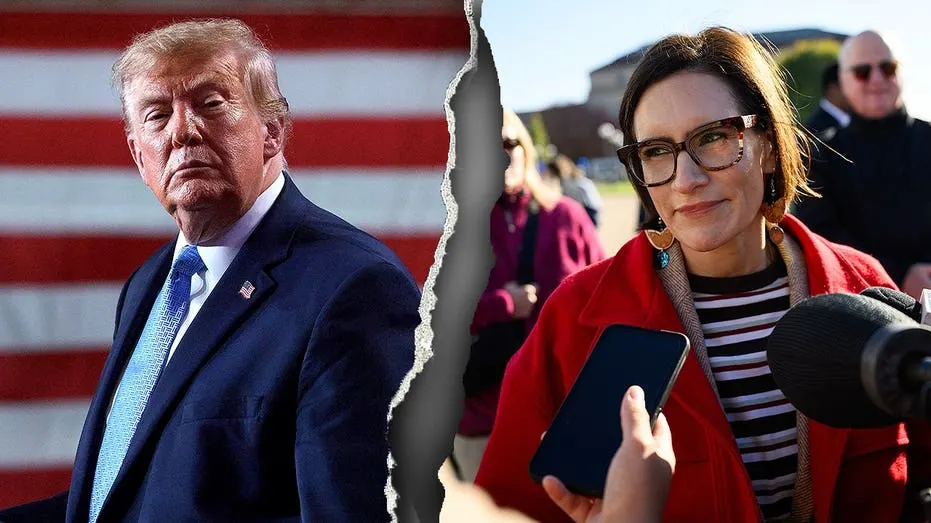
Minnesota Democratic Senate nominee Peggy Flanagan highlighted her record of bipartisan work but, when asked about working with President Donald Trump, did not identify a policy area for cooperation. She said she was concerned about what she called continued self-enrichment by the administration and argued that voters want a senator who will act as a check on Trump.
Flanagan cited work in the Minnesota Legislature alongside a Republican majority and at the Children’s Defense Fund–Minnesota. Her campaign supports measures including Medicare for All and dismantling ICE, and she has criticised cuts to Medicaid and SNAP. She is running against Republican Michele Tafoya, whose campaign has linked Flanagan to a fraud scandal under Governor Tim Walz; the race rating shifted from “Likely Democrat” to “Lean Democrat” as Tafoya narrowed the gap.
In short
- Flanagan touted bipartisan experience but named no issue for working with Trump.
- She says voters want a check on the president.
- Republican Michele Tafoya has narrowed the gap in Minnesota.
Steelman: both sides, in good faith
The strongest fair case each way — we don't pick a winner.
The case for
Flanagan’s refusal to name a policy area for cooperation can be seen as a principled response to an administration she believes is harming people and enriching itself; a senator’s duty to scrutinise the president may outweigh the appearance of bipartisanship. Her record of working across party lines in state government suggests she can cooperate when she judges it useful, while her campaign’s priorities reflect a mandate she is asking voters to endorse.
The case against
A senator can oppose a president’s agenda while still identifying areas where cooperation could benefit constituents, so declining to name even one may raise fair questions about how Flanagan would turn her bipartisan record into practical work in Washington. Voters may reasonably expect a representative to seek common ground where possible, and her answer leaves unclear whether she would consider such opportunities or sees the role chiefly as checking Trump.
Explained simply
Minnesota has two US senators, who represent the state in the federal government and vote on laws and appointments. Peggy Flanagan, a Democrat and the state’s lieutenant governor, is seeking one of those seats; her Republican opponent is Michele Tafoya.
Flanagan has pointed to working with Republicans in the Minnesota Legislature and at a children’s advocacy group as evidence of her bipartisan experience. The candidates differ on the role of federal programmes such as Medicaid and on immigration enforcement, and the campaign has also featured claims about a fraud scandal in Minnesota.
The race matters because its result could affect which party controls the Senate and how the chamber responds to President Donald Trump’s policies. Senators can scrutinise the administration, shape legislation and vote on many presidential appointments.
Art Culture Government Politics World