Technology news and discussion on TalkFuse.
Storage prices may not ease substantially until 2029 or 2030
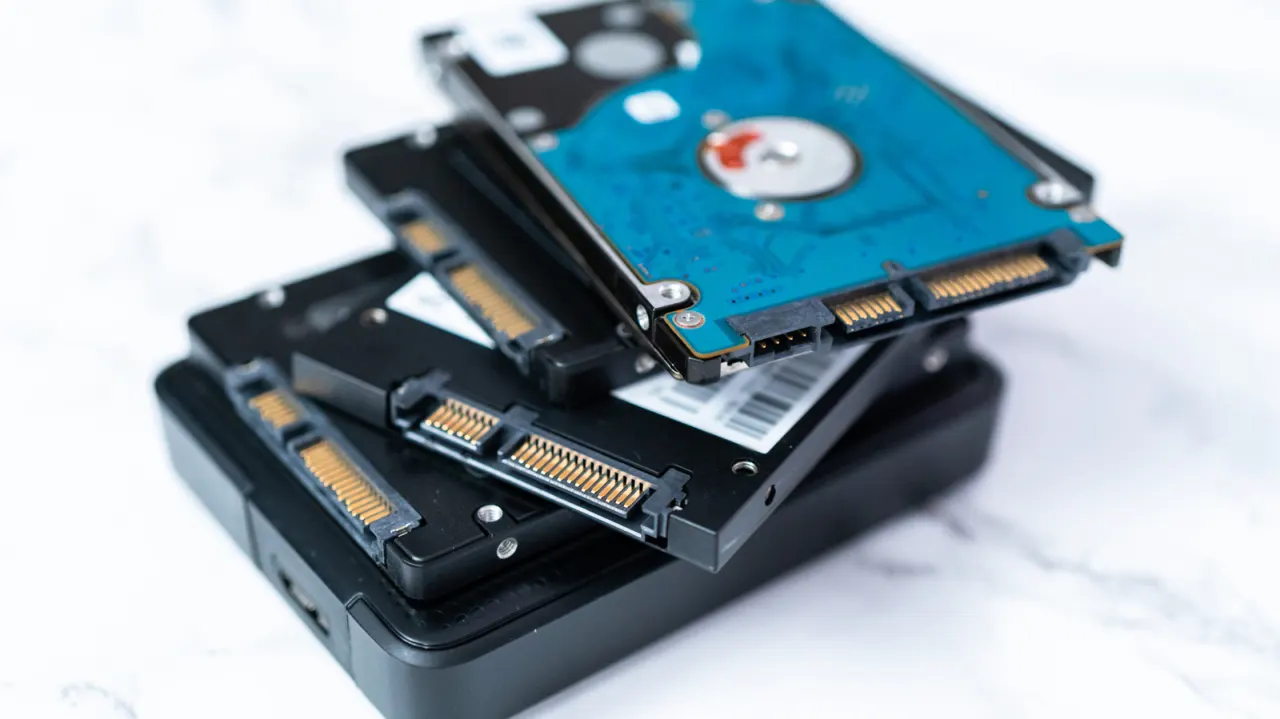
Hard drive and SSD prices are being pushed up by the current chip shortage, though storage has been less affected than RAM, processors and graphics cards. Analysts expect some easing from 2027, but a substantial fall may take until 2029 or 2030, leaving PC builders facing elevated costs for several years.
The outlook differs by drive type: SSDs use flash memory, which is also in short supply, while HDDs remain a lower-cost option for storing large collections of photos, videos and documents. Any early price reductions are expected to be modest, and prices may not return to pre-Covid lows. The article suggests buyers who can wait may find better value after the end of 2027.
In short
- Storage costs remain high amid the chip shortage.
- Modest price relief may begin in 2027.
- Bigger drops may wait until 2029 or 2030.
Explained simply
Storage drives keep the files on a computer, from documents and photos to games and software. Solid-state drives (SSDs) use flash memory and are generally faster, while hard disk drives (HDDs) are often a lower-cost choice for storing large amounts of data.
Both types can be affected by shortages of computer chips and memory parts, which also shape the cost of other PC components. Manufacturers, suppliers and computer buyers are therefore linked: changes in supply can influence what builders pay for storage and complete PCs.
Storage matters to anyone building or upgrading a computer, as well as people who need space for growing collections of files. Prices may vary between SSDs and HDDs, and a fall in prices would not necessarily mean a return to earlier lows.
Read the full article at the source →
Originally published by Engadget as “How long could HDDs and SSDs remain expensive?”.