Culture news and discussion on TalkFuse.
Nintendo Officially Comments on Zelda Remake’s Divisive Graphics
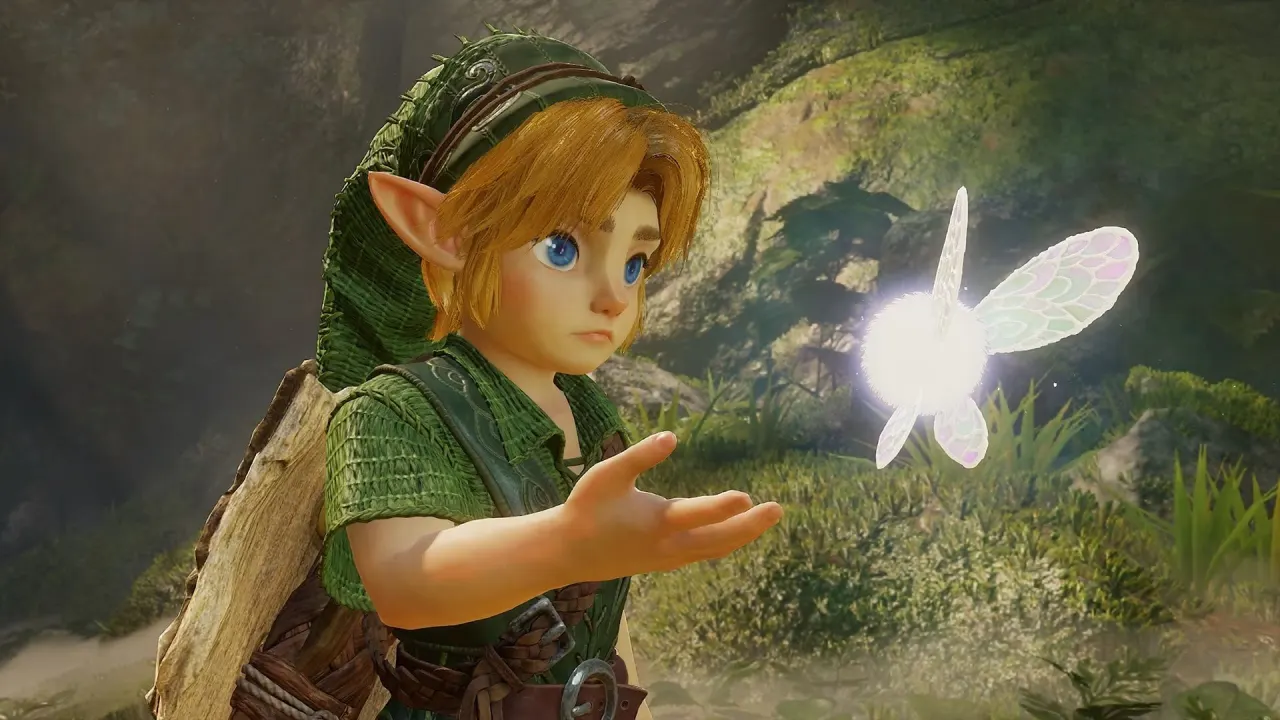
Nintendo’s remake of *The Legend of Zelda: Ocarina of Time* uses a puppet-like, stylised look for its characters, a choice that has divided some longtime fans. Art director Aya Shida says Nintendo aimed to balance a richly detailed, believable Hyrule with the colourful, quirky characters and dreamlike atmosphere of the original.
Shida said the team used ideas such as a “puppet-show feel” and the look of practical-effects films to make the characters feel at home in the world. Producer Eiji Aonuma linked the approach to the development team’s nostalgia for the Nintendo 64 game, which was cutting-edge when first made rather than intended to feel nostalgic. The remake is due on Nintendo Switch 2 later this week.
In short
- The remake gives Link and Zelda a puppet-like visual style.
- Nintendo says the look balances detailed Hyrule with the original’s charm.
- The team’s nostalgia helped shape the remake’s art direction.
Steelman: both sides, in good faith
The strongest fair case each way — we don't pick a winner.
The case for
The stylised, puppet-like characters can be seen as a way to preserve the original game’s colourful, quirky spirit while making them feel at home in a more detailed Hyrule. Drawing on practical-effects films may also give the remake a distinctive, dreamlike atmosphere rather than simply making the old visuals more realistic.
The case against
Longtime fans may feel that the puppet-like look clashes with the richly detailed world, making the characters seem less convincing or emotionally engaging. A remake also invites comparison with players’ memories of the original, so a conspicuous change in visual style may weaken the sense of continuity they value.
Explained simply
The Legend of Zelda is a long-running Nintendo adventure series, and Ocarina of Time first appeared on the Nintendo 64 in 1998. Players explore the land of Hyrule as Link, solving puzzles and facing enemies.
Nintendo is remaking the game for its Switch 2 console. The remake’s characters have a stylised, puppet-like appearance, while the world around them is designed to look detailed and believable.
Art director Aya Shida and producer Eiji Aonuma have described how the team drew on the original game’s colourful characters and dreamlike atmosphere. The visual approach matters because it shapes how a much-loved older game is presented to players today.
Art Culture Entertainment Fashion Gaming