Culture news and discussion on TalkFuse.
Thousands of Nevada voters receive mail ballots with printing error
Developed over time first seen 1 day ago
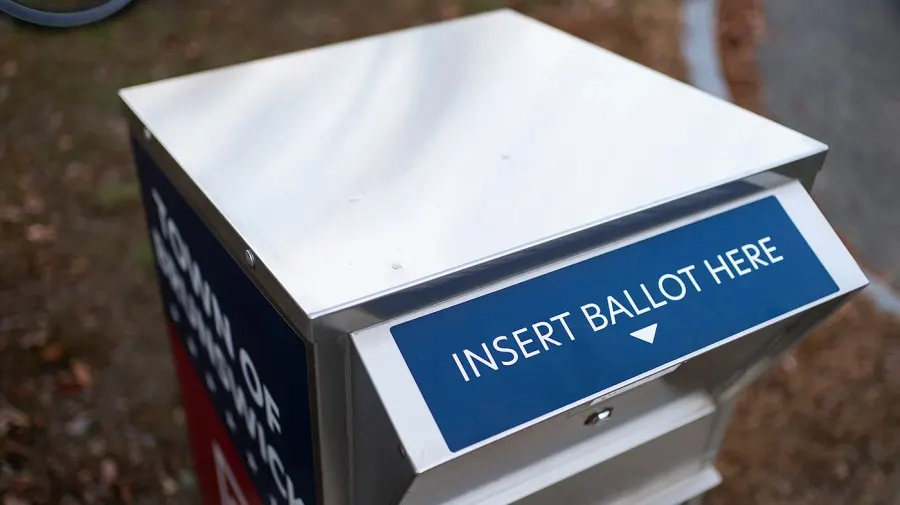
About 32,000 voters in Washoe County, Nevada, received mail ballot return envelopes with the word “FALSE” printed near their names. The county registrar’s office attributed the error to its printing vendor and said it affected an initial production batch for the 2026 general election. The word appeared in a field used to indicate whether a voter must provide additional identification; its appearance prompted questions about whether the ballots were valid.
Election officials said the printing error does not change voters’ registration records, identification requirements or the validity of their ballots. Affected voters can use their ballots as normal. Washoe County’s usual mail voting rules still apply, including signing the return envelope so officials can verify the signature. The mistake concerns text printed on the envelope, rather than voters’ choices on the ballot.
- Sources
- 4
- Outlets
- 4
- Left · Centre · Right
- 0 · 0 · 1
In short
- About 32,000 Washoe County return envelopes were misprinted.
- The word “FALSE” appeared near voters’ names.
- Officials say affected ballots remain valid and can be used as normal.
How this story developed
- 3 hours ago About 32,000 voters in Washoe County, Nevada, received mail ballot return envelopes with the word “FALSE” printed near their names. The county registrar’s office attributed the error to its printing vendor and said it affected an initial production batch for the 2026 general election.
Full account
A printing mistake affected about 32,000 mail ballot return envelopes sent to Washoe County voters for the 2026 general election. The word “FALSE” appeared in the envelope’s “ID Required” field, prompting calls from residents concerned about what it meant.
The county said the problem came from an error in the printer’s initial production batch. The field was meant to show “TRUE” for voters required by state law to provide additional identification when voting by mail. For other voters, it should have been blank. The error caused “FALSE” to appear instead. The affected envelopes were not confined to any political party, and later batches were corrected.
County election officials said the mistake did not alter registration records or identification requirements, and did not affect ballot validity or voters’ ability to vote. The Democracy Defense Foundation, citing its discussion with the county registrar, likewise urged people with affected envelopes to complete, sign and return their ballots as usual. Its co-chair, former Republican governor Brian Sandoval, said the word did not mean anything was wrong with a ballot; former Democratic Assembly Speaker Richard Perkins said the error had been found and fixed.
The issue also drew a fundraising appeal from former state legislator Sharron Angle, who questioned whether the mistake might discourage voting and asked whether it was merely clerical or more serious. She encouraged donations to the Election Integrity Project Nevada. The county invited voters with questions to contact its elections office. Nevada voters can also vote in person; those choosing that option should surrender their mailed ballot or sign an affirmation if they do not have it, rather than voting twice.
Where outlets differ
From the full account, which is AI-written from the sources:
The county’s account, quoted in the Reno Gazette Journal report, gives the production-batch explanation and says the envelopes were not limited to a particular party. KOLO centres its report on the Democracy Defense Foundation’s reassurance and quotes both Sandoval and Perkins.
The Reno Gazette Journal report also covers Sharron Angle’s fundraising message and the contrasting responses from the two election-focused charities. KOLO does not mention Angle or the Election Integrity Project Nevada.
The third source provides general guidance on Nevada mail voting, deadlines and voting in person; it does not report on the printing error.
Coverage · 4 sources
Art Culture Elections Politics