Technology news and discussion on TalkFuse.
Daisy-chaining power strips can overload them and raise fire risk
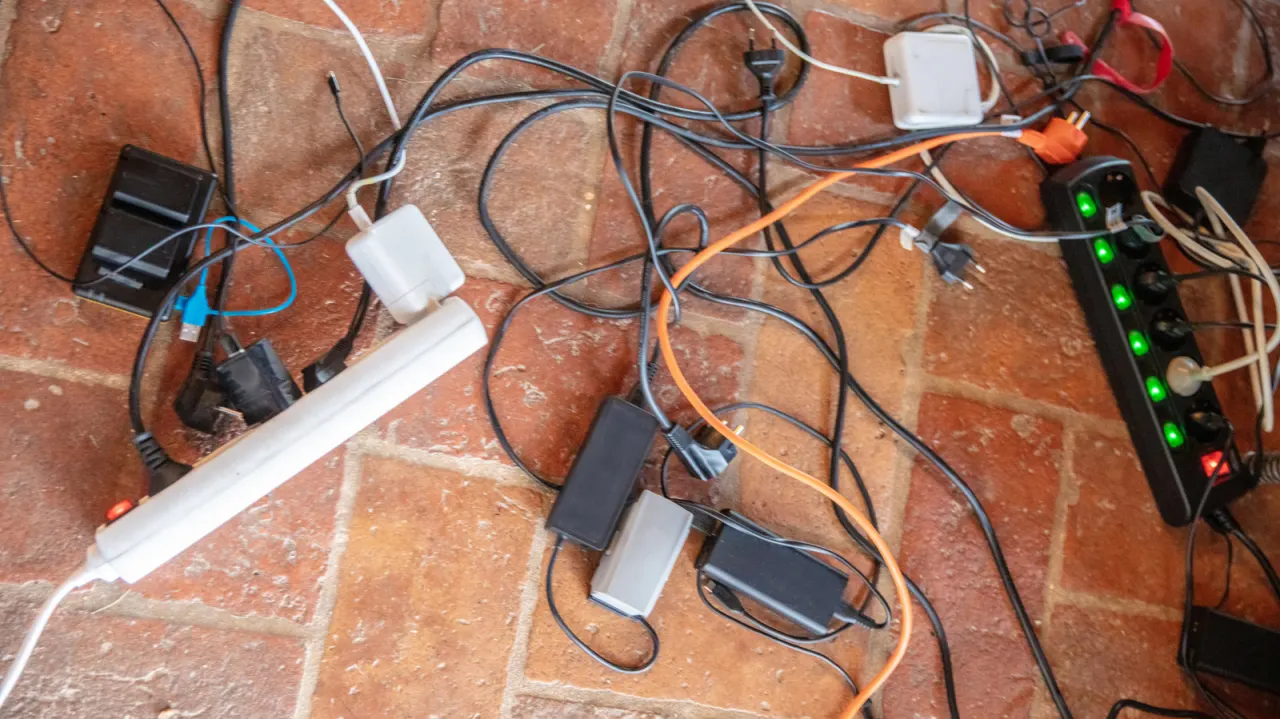
Plugging one power strip into another can overload the first strip, increasing the risk of overheating, a tripped breaker or fire. Adding sockets does not increase the electrical capacity available from the wall outlet, so all connected devices still draw power through the first strip.
Check the rating of a strip and the combined load of the devices connected to it. For more sockets, use a suitably rated single strip; for more reach, choose one with a longer cord. Space heaters, microwaves and refrigerators should go directly into a wall outlet, and a breaker that trips or a strip showing damage should be treated as a warning.
In short
- Daisy-chaining strips does not add electrical capacity.
- Overloading can cause overheating or fire.
- Check ratings and plug high-power appliances into wall outlets.
Explained simply
A power strip lets several electrical devices share one wall socket, but the socket and strip have a limit on how much power they can safely supply. Plugging another strip into it adds sockets, not capacity, so every connected device still draws power through the first strip.
The key factors are the strip’s electrical rating and the total demand from the devices plugged into it. High-power appliances such as heaters, microwaves and fridges can draw more than a strip is designed to handle, which may cause overheating or trip a circuit breaker.
Overheating can damage equipment and increase the risk of fire, so a damaged strip or a breaker that keeps tripping is a warning to check the setup. For extra sockets or reach, the relevant choices are a suitably rated single strip or one with a longer cord.
Read the full article at the source →
Originally published by Engadget as “Why it’s important to never plug power strips into each other”.