Technology news and discussion on TalkFuse.
Airport USB charging is low risk, but data theft remains possible
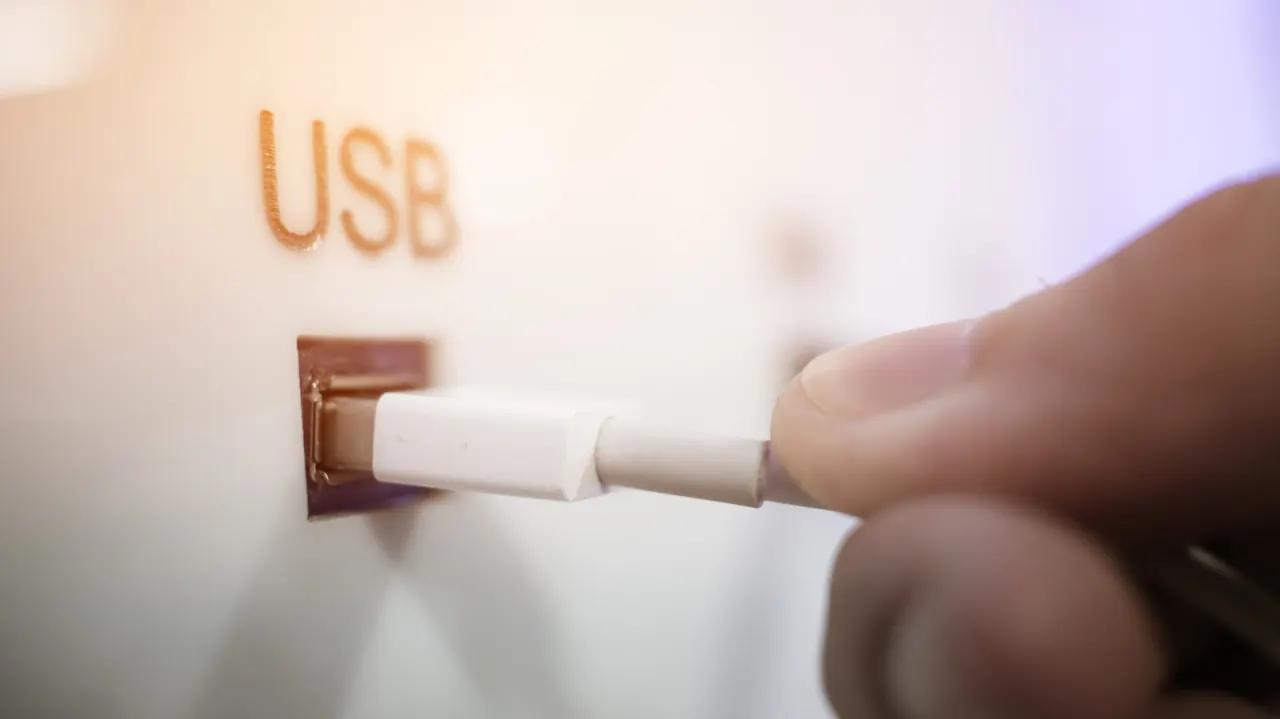
Using a public USB charging port at an airport is generally considered reasonably safe, though a theoretical risk remains. Security researchers say there are no credible reports of successful “juice-jacking” attacks, but modified ports could potentially use USB’s data connection to install malware or access information.
A 2013 demonstration showed a malicious charger could target an iPhone, prompting Apple to add the “Trust This Computer?” alert; choose “Don’t Trust” unless you intend to share data. For greater protection, use your own plug and a wall socket, carry a battery pack, or use a data blocker. USB-A blockers may slow charging, while modern USB-C blockers avoid that drawback.
In short
- Airport USB attacks are possible in theory, but no credible successful cases are reported.
- Decline trust prompts from unfamiliar chargers.
- A battery pack or data blocker can reduce risk.
Steelman: both sides, in good faith
The strongest fair case each way — we don't pick a winner.
The case for
Public USB charging is generally considered low risk, and researchers have found no credible reports of successful juice-jacking attacks. Airport ports offer a practical way to charge when travelling, and device safeguards such as the “Trust This Computer?” prompt can help prevent unwanted data access if users decline an unfamiliar connection.
The case against
A modified USB port could exploit the connection’s data channel to install malware or access information, so the absence of confirmed attacks does not make the risk impossible. Travellers handling sensitive information may reasonably prefer their own plug and a wall socket, a battery pack or a data blocker to avoid exposing their devices.
Explained simply
USB ports can carry both electrical power and data, so a device plugged in to charge may also be able to communicate with the equipment behind the port. A modified public port could try to exploit that connection to reach files or install harmful software, a risk often called “juice-jacking”.
Security researchers have not found credible reports of successful attacks of this kind. The possibility gained attention after a 2013 demonstration involving an iPhone; Apple later added an alert asking whether users trust a connected computer. The issue matters because airports offer shared charging points to travellers who may need to keep their devices powered.
Read the full article at the source →
Originally published by Engadget as “Is it actually safe to charge your iPhone at airport USB ports?”.