World news and discussion on TalkFuse.
US reportedly struck Iranian forces on Qeshm Island over several weeks
Developing story first seen 2 hours ago
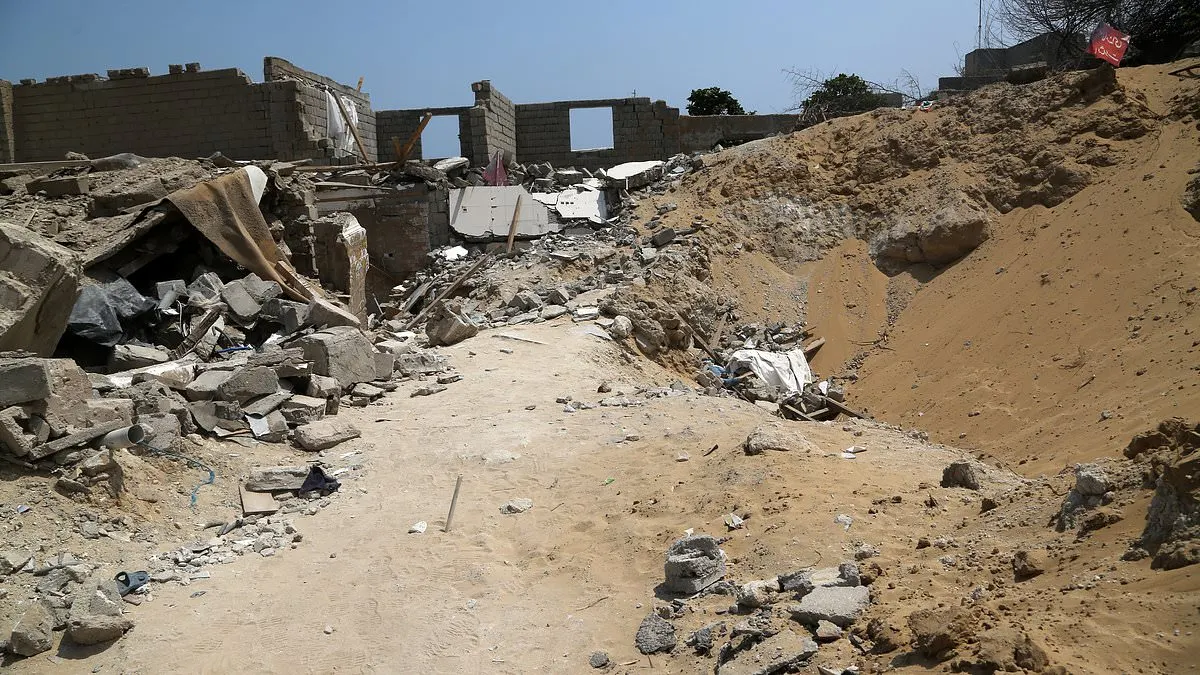
The new reporting says US strikes on Qeshm Island may have been conducted secretly for several weeks, rather than being a single action. A US official described them as defensive, targeting Iranian forces using surface-to-air missiles against US assets; the strikes come one day before midterm elections, despite President Donald Trump previously saying there would be no strikes before the vote.
Iranian state television reported explosions on the island in the Strait of Hormuz. The strikes were described as limited and intended to prevent attacks on allied ships, amid an eight-month conflict that has unsettled global markets and contributed to US economic pressures. Thousands of US troops remain in the region, with a third aircraft carrier and more troops on the way, while Vice-President JD Vance has expressed cautious hope for a deal.
- Sources
- 3
- Outlets
- 3
- Left · Centre · Right
- 0 · 1 · 2
In short
- New reporting says the Qeshm strikes may have continued secretly for weeks.
- A US official said they targeted Iranian forces threatening US assets.
- The action came on the eve of midterm elections amid ongoing negotiations.
How this story developed
- 6 minutes ago A US official said Trump authorised the limited defensive strikes, while the Wall Street Journal reported they had been under way secretly for weeks; Iranian state television reported explosions, and Vice-President JD Vance said talks could still produce a settlement.
- 17 minutes ago US strikes on Qeshm Island may have been carried out covertly over several weeks, targeting Iranian forces accused of threatening US assets and allied shipping, a day before the midterm elections despite Donald Trump’s earlier pledge not to strike before the vote.
Full account
The United States has carried out limited strikes on targets on Iran’s Qeshm Island, in the Strait of Hormuz, according to US officials cited in reports published on Monday. Iranian state media also reported explosions on the island. The action came a day before crucial US midterm elections, which will determine control of Congress, and amid concern that the conflict could widen again.
The accounts give different explanations for the immediate trigger. One US official quoted in the first report said the targets were Iranians using surface-to-air missiles against US assets. Officials cited by CBS, the BBC’s US partner, described the strikes as a response to the Islamic Revolutionary Guard Corps firing on a US aircraft. The first report also relayed a Wall Street Journal account that the operation was intended to limit Iran’s ability to attack allied ships in the strait. The available accounts do not establish whether these descriptions refer to the same incident or target set.
The strikes follow months of conflict that began with US and Israeli attacks on Iran in February, and come as Washington faces diplomatic pressure to find a way to end the fighting. Iranian Foreign Minister Abbas Araghchi said talks through mediators were under way and described them as intensive. He said Tehran was prepared for either diplomacy or military confrontation, and urged Washington to choose negotiations. The first report also described lobbying by Israel and regional allies over the next steps.
President Donald Trump had said the US would not launch new strikes before the election, while also suggesting that further action remained possible if Iran did not make a deal. On Monday, he said there was no rush to escalate, and told Fox News that a site linked to Iran’s nuclear programme, known as Pickaxe, could be struck quickly. In other remarks, he characterised the conflict as largely inactive. The timing of the Qeshm operation therefore adds to uncertainty over whether the limited action will remain contained or precede a broader campaign. The first report emphasised the political risk to Republicans from an unpopular war and higher fuel costs; the BBC account foregrounded Trump’s declining poll numbers and pressure within his party to end the conflict.
The reports differ in the detail they provide: the first gives an account of the alleged missile threat and possible impact on shipping, while the BBC report attributes the strikes to an IRGC attack on a US aircraft and includes more detail on diplomacy and Trump’s comments about Pickaxe. Both describe the strikes as limited and note their proximity to the midterm elections.
Where outlets differ
From the full account, which is AI-written from the sources:
The first report says the targets were Iranians using surface-to-air missiles against US assets and relays a Wall Street Journal explanation that the aim was to protect allied shipping. The BBC report, citing CBS, says the strikes responded to the IRGC firing on a US aircraft. The reports do not reconcile these accounts.
The first report stresses the political vulnerability created by the war and fuel costs, as well as regional concern about renewed hostilities. The BBC report highlights falling polling numbers and pressure from within Trump’s party to end the conflict.
Centre outlets 1
Only here: ahead, midterm, elections
Right-leaning outlets 2
- US reportedly struck Iranian forces on Qeshm Island over several weeksDaily Mail
- US military strikes Iran’s Qeshm Island day before midterms The Hill
Only here: qeshm, island, reportedly, struck, iranian
Every side used: strikes, iran
Headline columns compared word for word; nothing in them is AI-written.
Steelman: both sides, in good faith
The strongest fair case each way — we don't pick a winner.
The case for
A limited strike could be justified as a defensive measure if Iranian forces were preparing to attack US assets or allied shipping. Supporters may argue that acting to reduce an immediate threat protects service members, shipping and energy supplies, while keeping the operation narrow and negotiations open limits the risk of a wider war.
The case against
Critics may argue that launching strikes during an eight-month conflict risks escalation and could endanger US personnel, shipping and civilians, even if the stated aim is defensive. The timing, after Trump said strikes would not happen before the vote, also raises concerns about public accountability and whether the conflict is being managed transparently as voters make a consequential decision.
Explained simply
Qeshm is a large Iranian island in the Strait of Hormuz, a narrow sea passage linking the Gulf to the Indian Ocean. Much of the world’s oil and gas is shipped through this route, so conflict there can affect shipping, energy supplies and fuel prices.
The United States and Iran have been in conflict for months, with US forces and Iran-backed groups active across the region. President Donald Trump leads the US government, while Iran’s military and government control the island; US forces are also deployed nearby, in part to protect shipping and allied countries.
The US midterm elections decide who represents voters in Congress, which can influence government policy and spending. The conflict matters to US voters because it affects military commitments and energy costs, while also carrying risks for countries that rely on trade through the Strait of Hormuz.
Coverage · 3 sources
Bias meters
From 3 rated sources.
Americas Elections Middle East Politics World
Read the full article at the source →
Originally published by Daily Mail as “US launches ‘secret’ military strikes on Iran’s Qeshm Island one day ahead of crucial midterm elections”.