Politics news and discussion on TalkFuse.
Supreme Court rejects Trump’s request to stop California counting disputed votes
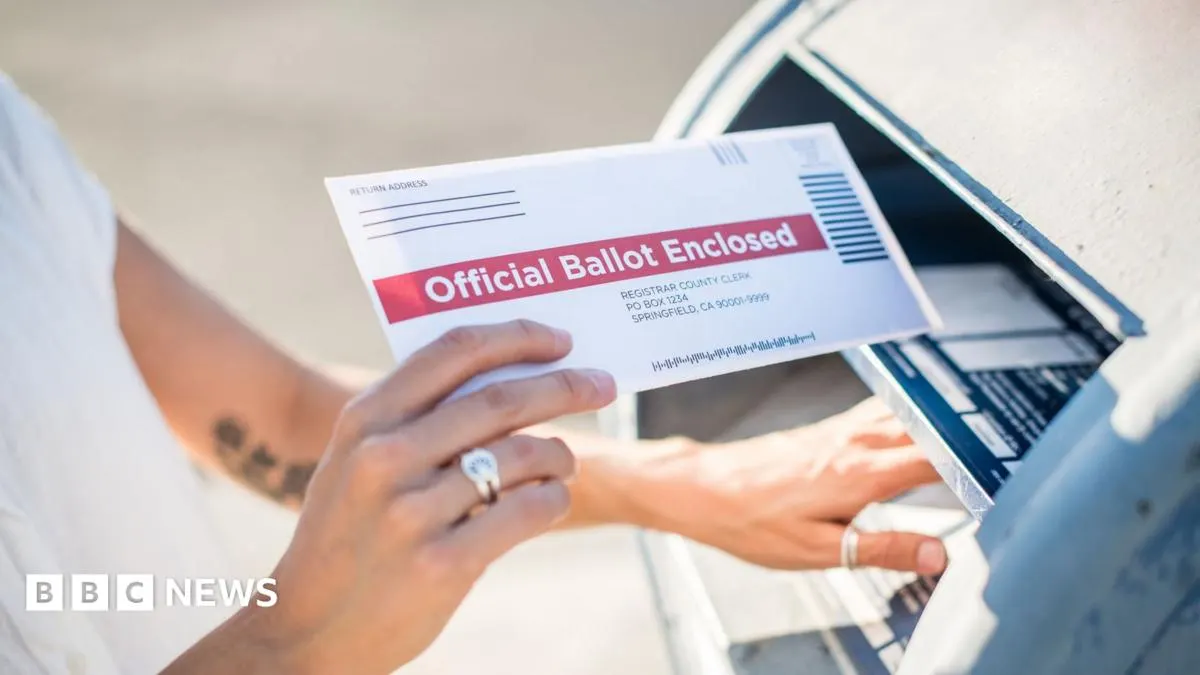
The US Supreme Court has rejected the Trump administration’s last-minute effort to stop California counting 20,000 ballots it alleged may have been issued to non-citizens. The decision leaves lower-court rulings in place and effectively ends the bid, with the midterm elections set to determine which party controls Congress for the final two years of Donald Trump’s term.
The Justice Department asked officials to set the ballots aside, arguing that votes cast by non-citizens could weaken valid votes; a federal appeals court had rejected that request on Friday. California officials said the government’s list contained inaccuracies and warned eligible voters could be disenfranchised. More than six million mail-in ballots had arrived by Sunday night in a state with about 23 million registered voters.
In short
- Supreme Court rejects bid to set aside 20,000 California ballots.
- Lower-court rulings stand, ending the administration’s effort.
- Officials disputed the government’s list as inaccurate.
Steelman: both sides, in good faith
The strongest fair case each way — we don't pick a winner.
The case for
The administration’s strongest case is that election authorities should take credible allegations of ineligible voting seriously, since even a limited number of unlawful ballots could undermine confidence and the weight of eligible voters’ choices. Temporarily setting disputed ballots aside could be defended as a precaution while their eligibility is checked, provided the process is accurate and does not prevent lawful votes from ultimately being counted.
The case against
California’s strongest case is that ballots should not be withheld on the basis of an inaccurate list or unverified suspicion, because eligible citizens could lose their vote and the election’s legitimacy could suffer. Counting ballots under established procedures, with any specific cases investigated and addressed through ordinary safeguards, protects voters’ rights while still allowing unlawful voting to be challenged.
Explained simply
California is the most populous US state and uses mail-in ballots, which voters can return before election day. In the United States, elections are run by state and local officials, while federal courts can decide disputes about how voting rules are applied.
Donald Trump was president during the dispute, and his administration’s Justice Department challenged California’s handling of a group of ballots. California officials said the government’s list identifying possible non-citizens was inaccurate; US citizens are eligible to vote in federal elections, while non-citizens are not.
The midterm elections choose members of Congress, the federal legislature. The party that controls the House of Representatives and Senate can affect which laws pass and how the president’s policies are scrutinised.