World news and discussion on TalkFuse.
Trump calls Iran conflict a ‘soft war,’ insists US holds the cards ahead of midterm elections
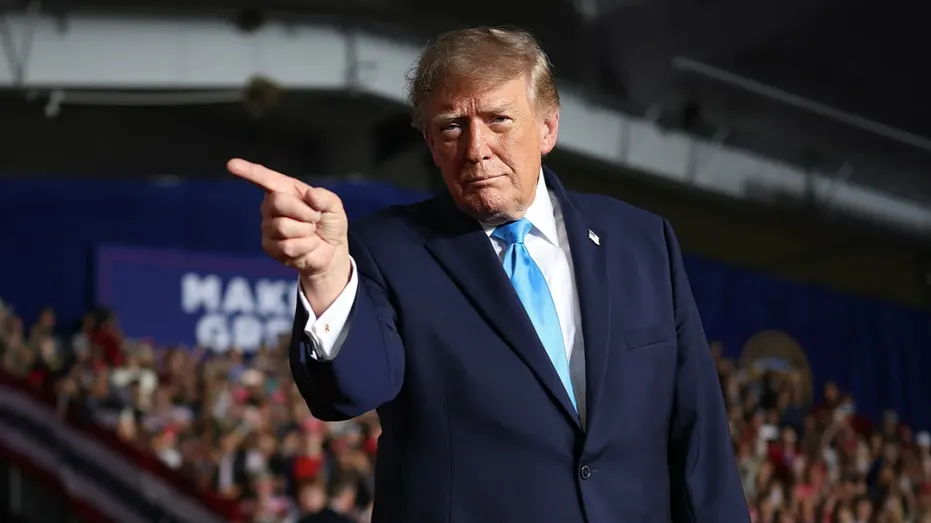
President Donald Trump described the eight-month Iran conflict as a “soft war” rather than a war in which fighting is ongoing, and said the United States could end it at any time. His comments came on the eve of the US midterm elections, as voters face rising fuel prices and economic costs linked to the conflict, making it a political issue for Republicans.
The Pentagon estimates the conflict has cost more than $47 billion, a figure Trump dismissed as “peanuts”. After Iran fired at a US aircraft, the US struck Iran’s Qeshm Island; officials characterised the action as defensive and said it did not signal a return to full-scale strikes. Trump said he would consider further action if peace talks fail, while arguing that US attacks had severely weakened Iran’s military and nuclear capacity.
In short
- Trump called the eight-month Iran conflict a “soft war”.
- The Pentagon estimates it has cost more than $47 billion.
- The remarks came a day before US midterm elections.
Steelman: both sides, in good faith
The strongest fair case each way — we don't pick a winner.
The case for
Supporters could argue that describing the conflict as limited reflects the current level of fighting and that the US should retain the option to act if Iran threatens its forces or talks fail. They may see the strikes as having weakened Iran’s military and nuclear capacity, giving Washington leverage to seek an end on favourable terms, while judging the reported cost manageable against those security aims.
The case against
Critics could argue that an eight-month conflict involving US strikes, Iranian fire, rising fuel costs and more than $47 billion in spending is a war in any practical sense, whatever label is used. They may question whether claims of decisive US leverage are borne out by events, and argue that calling the cost “peanuts” minimises its burden while further action risks prolonging the conflict and deepening its economic effects.
Explained simply
The United States and Iran have a long-running rivalry, shaped by disputes over Iran’s nuclear programme, regional influence and US sanctions. The conflict described here has involved US military action and Iranian attacks, while both sides have also pursued talks.
Donald Trump is the US president and commander-in-chief; Iran’s government and military are the other central players. The Pentagon is the US defence department, which estimates the cost of the conflict. The US midterm elections choose members of Congress halfway through a president’s term, and voters’ concerns about fuel prices and household costs can affect the fortunes of the president’s party.
Americas Elections Middle East Politics World