World news and discussion on TalkFuse.
UN deadlock ends Western Sahara mission, pleasing Morocco
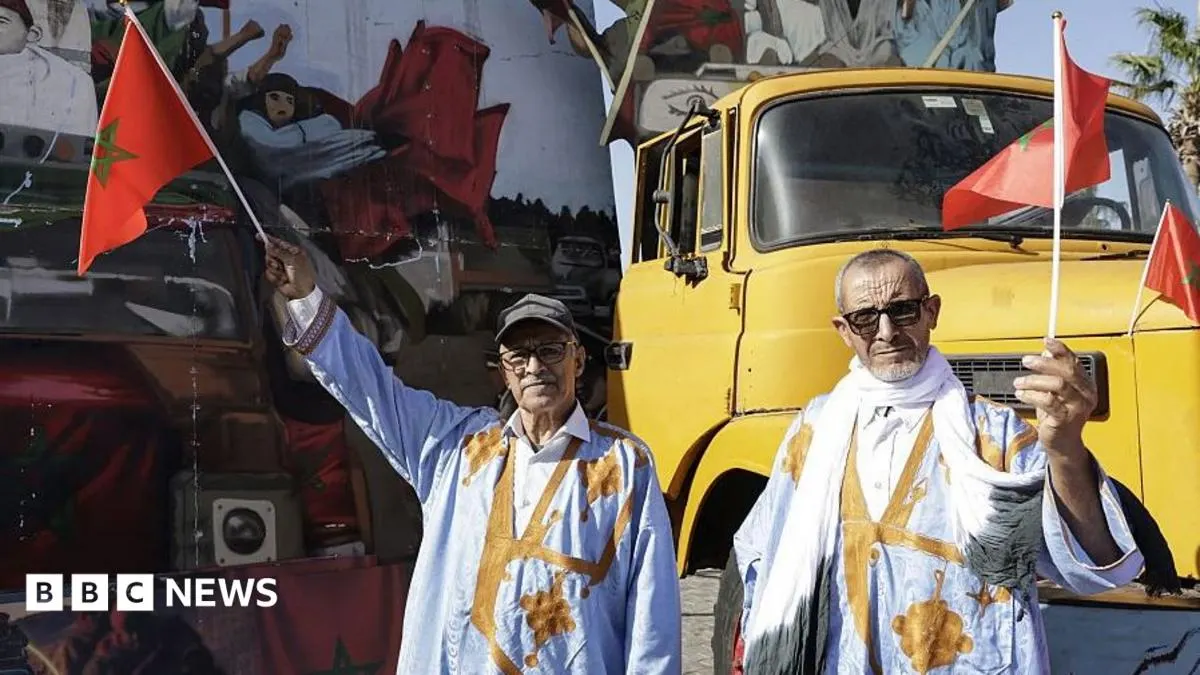
The UN Security Council failed to renew the peacekeeping mission in Western Sahara after Russia vetoed a US-backed proposal and a rival Russian draft failed to win enough votes. Morocco welcomed the mission’s end, but the impasse raises uncertainty over the territory’s future and the fragile ceasefire with the Polisario Front, which seeks independence.
Western Sahara was a Spanish colony until 1975; Morocco and Mauritania then took control of parts of it, while the Polisario Front opposed the transfer. A 1991 UN-brokered ceasefire created Minurso to monitor the truce and organise a referendum, but disagreements over who could vote prevented it from taking place. Morocco has proposed autonomy under its sovereignty, while the Polisario Front and Algeria insist on a referendum that includes independence; fighting resumed in 2020.
In short
- Russia’s veto helped end the UN mission in Western Sahara.
- Morocco welcomed the decision, while the territory’s future remains disputed.
- A referendum promised after the 1991 ceasefire never took place.
Steelman: both sides, in good faith
The strongest fair case each way — we don't pick a winner.
The case for
Morocco’s autonomy proposal could offer a practical route to stability while keeping the territory within its internationally recognised borders, and the long-running dispute over referendum voters has blocked a settlement for decades. Supporters may also argue that ending a mission unable to deliver the promised referendum could prompt renewed diplomacy and reflect Morocco’s preference for resolving the issue through its autonomy plan.
The case against
The mission’s end removes a UN presence that has monitored the ceasefire and supported a process intended to let Western Saharans determine their future. Supporters of independence argue that autonomy under Moroccan sovereignty would foreclose that choice; with fighting having resumed in 2020, losing the monitoring role also risks greater uncertainty and renewed conflict.
Explained simply
Western Sahara was a Spanish colony until 1975, when Morocco and Mauritania took control of parts of the territory. The Polisario Front, a movement seeking independence, opposed this and has the support of neighbouring Algeria.
A UN-brokered ceasefire in 1991 set up Minurso to monitor the truce and help organise a referendum on the territory’s future. Disagreement over who could vote meant the referendum never took place.
Morocco proposes that Western Sahara govern itself while remaining under Moroccan sovereignty; the Polisario Front and Algeria call for a referendum that includes independence as an option. Fighting resumed in 2020, so the dispute affects both the territory’s future and the prospects for a lasting ceasefire.
Americas Business Europe Geopolitics Markets Politics World
Read the full article at the source →
Originally published by BBC World as “Why a US-Russia showdown left Morocco celebrating”.