World news and discussion on TalkFuse.
Mahmood cites past problems with EU free movement as Burnham urges debate on ties
Developed over time first seen 2 hours ago
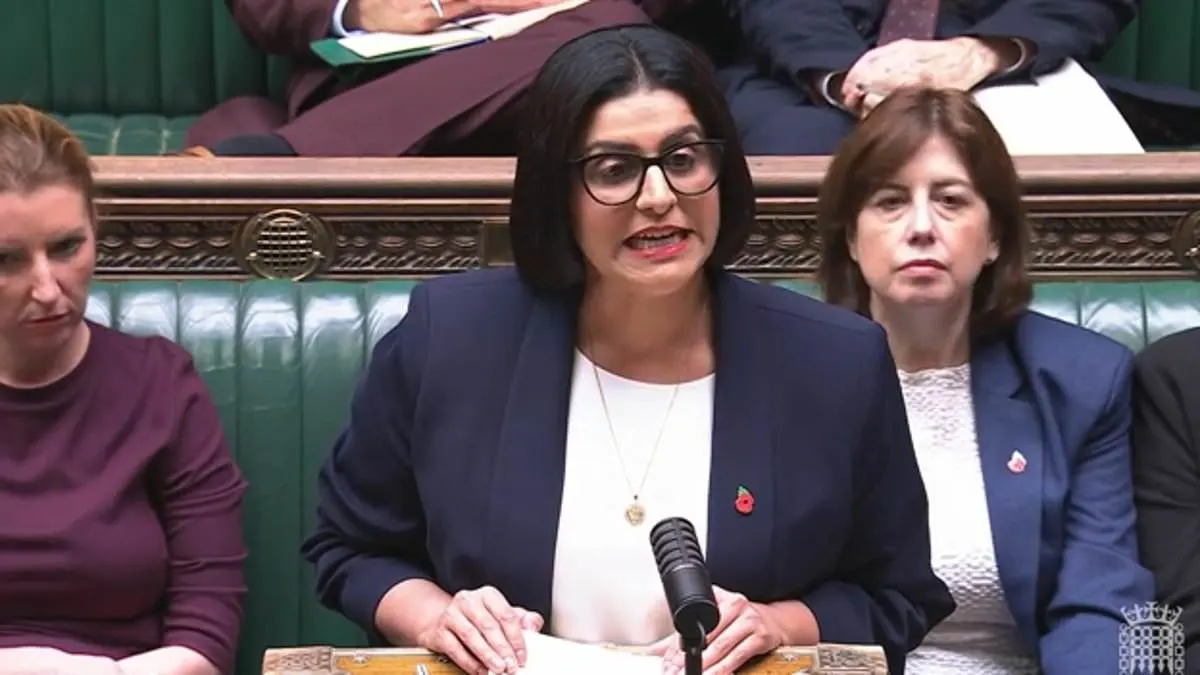
Home Secretary Shabana Mahmood warned that the UK had faced “significant issues” with EU freedom of movement, adding a cautionary note to Andy Burnham’s call for an “honest discussion” about the country’s relationship with the EU. The exchange highlights divisions and uncertainty within Labour over whether closer EU ties could ease immigration pressures, while the Government seeks to keep ministers’ public comments aligned.
Mahmood said Brexit had reduced the UK’s access to EU-wide databases, affecting its ability to manage migration. Burnham argued that migration from Europe had shifted from shorter stays to longer-term settlement in greater numbers, and said he was not proposing an immediate return to free movement or promising to run ahead of public opinion. The Prime Minister has said ministers should explore options for the long-term EU relationship after an upcoming EU-UK summit, with the choices to be presented to the public later.
- Sources
- 2
- Outlets
- 1
- Left · Centre · Right
- 0 · 0 · 2
In short
- Mahmood cited serious concerns about free movement.
- Burnham called for debate, not an immediate policy change.
- Labour plans to consider long-term EU options after a summit.
How this story developed
- 26 minutes ago Home Secretary Shabana Mahmood warned that the UK had faced “significant issues” with EU freedom of movement, adding a cautionary note to Andy Burnham’s call for an “honest discussion” about the country’s relationship with the EU.
Full account
Home Secretary Shabana Mahmood has said that problems associated with the EU’s former free movement rules should form part of any debate about Britain’s future relationship with the bloc. Her comments followed Andy Burnham’s call for a wider discussion of Brexit and migration. Burnham, however, said he was not proposing an immediate return to free movement.
Asked about Burnham’s remarks, Mahmood said she wanted to abide by Labour’s manifesto. She also said the Prime Minister had recognised that free movement had caused “significant issues”. On the question of migration control, she pointed to the loss of access to EU-wide databases after Brexit, saying it had affected Britain’s ability to manage arrivals. Her response acknowledged concerns about the old system while identifying a practical difficulty created by leaving the EU.
Burnham said the country should examine how migration had changed since the Brexit vote. In his account, shorter stays by Europeans who subsequently returned home had given way to larger numbers of people settling for longer periods. He also argued that reduced data-sharing with European partners had contributed to illegal migration. These were arguments for a public discussion, he said, rather than a proposal to restore free movement now.
The debate raises a political question for Labour: how far it can pursue closer EU ties while keeping its existing commitments on Brexit. Burnham said he would not move ahead of public opinion and that voters should determine any future change. He suggested attitudes had shifted since the 2016 referendum, including in the Leave-voting Makerfield constituency where he had campaigned.
Separate reporting describes draft agreements being circulated ahead of a UK–EU summit scheduled for 20 November. They reportedly include a sanitary and phytosanitary agreement under which the UK would align with EU rules on food safety and animal and plant health, as well as arrangements concerning emissions trading. A proposed youth experience scheme would allow eligible people under 30 from the UK and EU to live, work and study in each other’s countries. The drafts are reported proposals; the material provided does not establish their final terms.
The second report also says EU student tuition fees are under discussion and puts a possible annual cost of offering EU students lower fees at up to £450 million. Burnham is reported as arguing that the planned agreements could eventually bring substantial economic gains. Conservative leader Kemi Badenoch, by contrast, warned that following EU rules could limit Britain’s ability to set its own. Those arguments concern the proposed reset as well as the broader question Burnham has raised about the long-term relationship.
Where outlets differ
From the full account, which is AI-written from the sources:
The first report concentrates on Mahmood’s response, Burnham’s comments about migration and the political debate over free movement. The second concentrates on reported draft UK–EU agreements, their possible costs and benefits, and Conservative criticism.
The second report describes Burnham as Prime Minister, while the first refers separately to Burnham and the Prime Minister. The supplied reports do not resolve that inconsistency, so this account does not assign the reported draft agreements to Burnham personally.
The second report calls the proposed under-30 youth scheme ‘free movement’. Its description is narrower than a general return to EU free movement, which Burnham says he has not proposed.
Steelman: both sides, in good faith
The strongest fair case each way — we don't pick a winner.
The case for
A more open debate about closer EU ties could help the UK address practical problems created by reduced access to shared European information and reflect how migration patterns have changed. Advocates may argue that carefully negotiated cooperation could support trade and mobility while preserving safeguards, and that the public should be given clear options before any decision is made.
The case against
Past difficulties with free movement give reason to be cautious about arrangements that could reduce the UK’s control over immigration or make it harder to respond to pressures on housing and public services. Critics may argue that closer ties should not restore broad movement rights without clear public consent, and that the Government should first show how any proposed cooperation would protect national decision-making and manage migration effectively.
Explained simply
EU freedom of movement allowed citizens of EU countries to live and work in other member states without needing a visa. The UK left the EU in 2020, ending that arrangement for most new arrivals, and its immigration system now sets separate rules for people coming from Europe.
Shabana Mahmood is the Home Secretary, responsible for immigration and domestic security. Andy Burnham is the Mayor of Greater Manchester and a senior Labour politician; his call for discussion reflects a wider question about how closely the UK should work with the EU.
The debate matters because any change in the UK’s relationship with the EU could affect migration rules, access to shared information and the movement of workers. Labour has not settled publicly on what closer ties might involve, and there is no automatic link between closer cooperation and restoring free movement.
Coverage · 2 sources
Bias meters
From 2 rated sources.
Europe Government Politics World
Read the full article at the source →
Originally published by Daily Mail as “Now Home Secretary warns of ‘significant issues’ with free movement – despite Burnham arguing being in EU could ease immigration pressures”.