Politics news and discussion on TalkFuse.
Americans head to the polls on Election Day as Trump’s power is on the line: Live updates
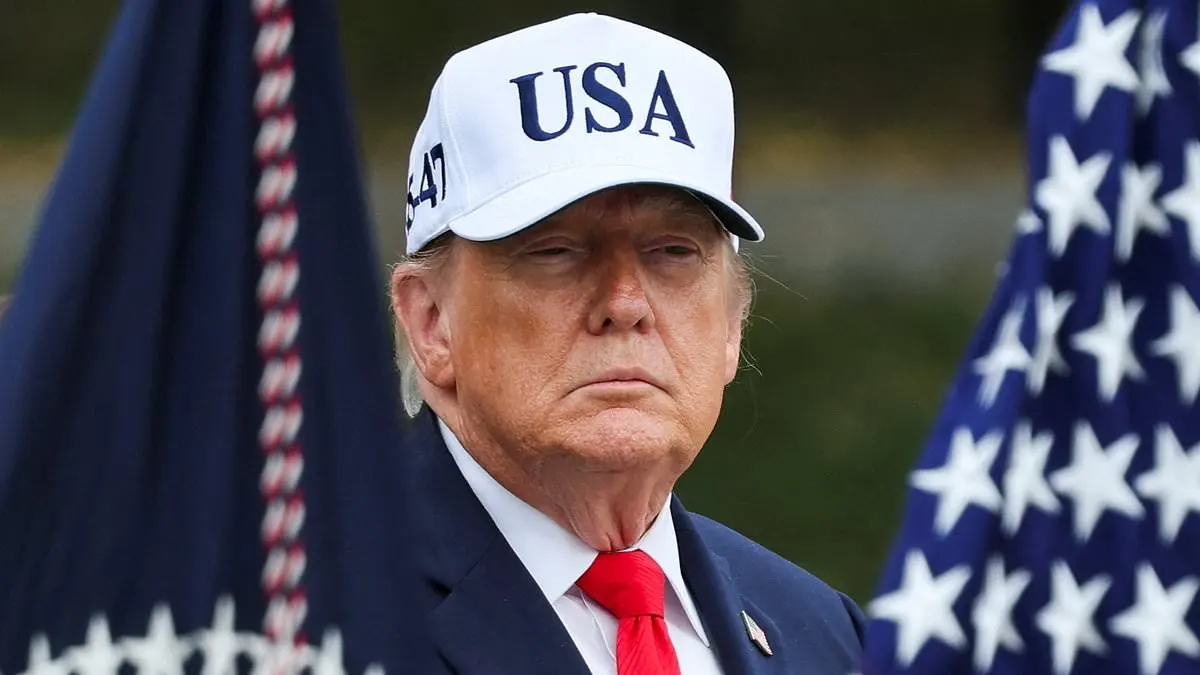
US voters are casting ballots in midterm elections that could shift control of Congress and affect President Donald Trump’s ability to advance his agenda. The vote comes amid expectations of Democratic gains, while Trump’s announcement that he plans to end US aid to Israel has added a surprise development to Election Day.
Millions of voters are choosing representatives in the Senate and House, as well as governors, with Democrats needing to gain four Senate seats or three House seats to take control. Minnesota reported more than 886,000 early votes, exceeding its previous midterm record of 687,062, while Minneapolis also set a record. Polls were scheduled to close between 6pm and 1am Eastern time, with results dependent on ballot counting.
In short
- Midterm races could change control of Congress.
- Democrats need four Senate or three House seats.
- Trump says US aid to Israel will end this year.
Steelman: both sides, in good faith
The strongest fair case each way — we don't pick a winner.
The case for
A change in Congress could give voters a meaningful check on the president and a chance to redirect national policy through their elected representatives. Those favouring Democratic gains may see the election as a way to scrutinise the administration, debate its agenda and respond to concerns reflected in expectations of a competitive vote.
The case against
Keeping or increasing Republican control could help the president carry out policies voters supported when electing him, avoiding legislative obstruction and giving the administration a clearer mandate. Those favouring that outcome may argue that voters should judge the agenda through the scheduled elections and that control of Congress should reflect their choice, rather than expectations based on polling.
Explained simply
Midterm elections take place halfway through a US president’s four-year term. Voters choose all members of the House of Representatives and some senators, as well as state officials such as governors; Congress makes federal laws and approves government spending.
The two main parties are the Republicans, led nationally by President Donald Trump, and the Democrats. Control of either chamber of Congress can affect how readily a president’s plans pass and how Congress oversees the administration.
Senators serve six-year terms and House members serve two-year terms, so only some Senate seats are contested at each midterm. State rules shape how votes are cast and counted, and official results can take time to emerge.
Elections Government Politics Software Technology World