Video games news, releases, esports and culture — all the biggest gaming stories in one place.
The Overwatch devs hear your complaints about skin distribution but concede that some cosmetics need to ‘support the actual bottom-line business’
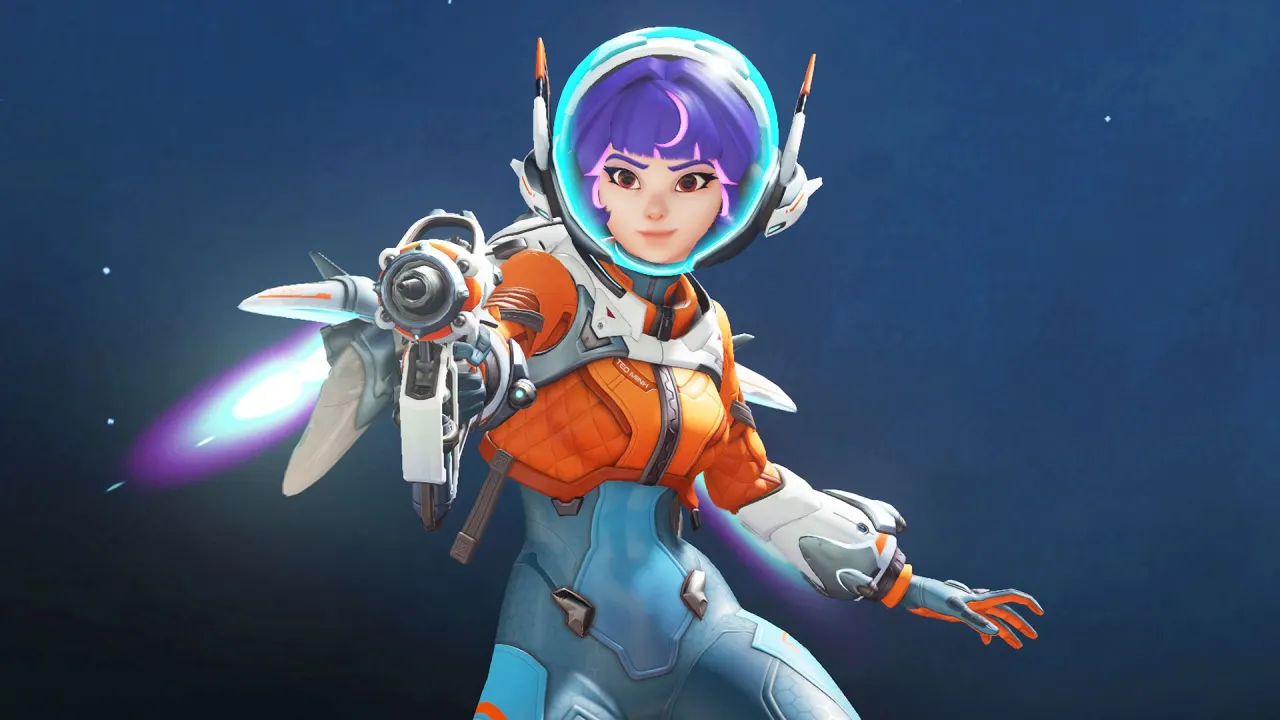
Overwatch developers say they hear players’ concerns that cosmetic skins are unevenly distributed across the game’s 54 heroes. Game director Aaron Keller says the team must balance giving characters new cosmetics with ensuring that the free-to-play game earns enough to keep being supported.
Popular heroes and those with dedicated buyers are more likely to receive skins, while creating cosmetics takes time and resources. Keller says the team is expanding its capacity for newer heroes, and typically releases two Mythic skins each season: one for a hero expected to generate strong sales and one for a hero who has received fewer recent cosmetics.
In short
- Overwatch skins are unevenly distributed across its 54 heroes.
- Popularity and sales affect which heroes get cosmetics.
- Mythic releases also give less-served heroes a chance.
Steelman: both sides, in good faith
The strongest fair case each way — we don't pick a winner.
The case for
Players can reasonably argue that a 54-hero roster should receive cosmetics more evenly, so that choosing a less popular or newer character does not mean waiting longer for new options. A more balanced release pattern could make the game feel fairer and show that every hero and their players matter.
The case against
The developers can reasonably argue that a free-to-play game needs cosmetic sales to fund ongoing support, and that skins for popular heroes are more likely to attract buyers. Since cosmetics take time and resources to create, pairing a commercially promising release with one for a less-served hero can help balance revenue needs with broader roster coverage.
Explained simply
Overwatch is a team-based online game in which players choose from a roster of heroes, each with different abilities. It uses a free-to-play model: people can play without buying the game, while optional items such as character skins can be sold.
Skins change a hero’s appearance but do not alter how the game is played. Making them takes time and creative resources, and demand varies: some heroes are more popular or have more players willing to buy cosmetics for them.
The developers have to decide how to share those releases across the roster while earning enough to fund ongoing work on the game. That can affect how often newer or less frequently featured heroes receive new looks.