Technology news and discussion on TalkFuse.
Mercedes-Benz develops windscreen hologram to reduce cabin screens
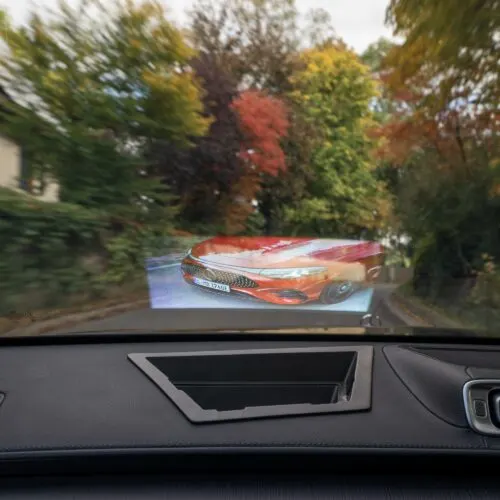
Mercedes-Benz is developing a holographic display that projects information onto a special film laminated into the windscreen. The technology could offer an alternative to large dashboard and passenger screens, as the company looks for ways to provide modern features while preserving the tangible materials associated with luxury interiors.
The film contains tiny reflective elements that make the projection visible, including in direct sunlight, while keeping it out of the driver’s view. Mercedes engineers showed early prototypes at the company’s research centre in Sindelfingen; these use a bulky, noisy projector, but the production unit could be small enough to conceal behind wood or metal trim. The article also cites a JD Power study in which owners generally viewed passenger screens negatively and called them unnecessary.
In short
- Mercedes is developing a windscreen display using a holographic film.
- The system could reduce reliance on passenger screens.
- A production projector may be hidden behind interior trim.
Steelman: both sides, in good faith
The strongest fair case each way — we don't pick a winner.
The case for
A windscreen display could provide useful information while preserving the clean lines and physical materials that some buyers value in a luxury cabin. If it keeps content outside the driver’s view and replaces conspicuous screens, it may also address owners’ concerns about unnecessary passenger displays.
The case against
Projecting information onto the windscreen could still add visual distraction, even if the image is designed to stay outside the driver’s direct view. The prototypes are early, and the bulky, noisy projector raises questions about whether the technology can be made unobtrusive and practical; some drivers may also prefer familiar physical controls to another display.
Explained simply
Modern cars often use screens for navigation, entertainment and other information, replacing some physical buttons and controls. Mercedes-Benz is a German carmaker known for luxury vehicles, whose interiors have traditionally used materials such as wood and metal alongside newer technology.
A holographic display projects images so they appear on a surface rather than on a conventional screen. In this case, a special film within the windscreen helps make the projected information visible while keeping it positioned away from the driver’s view.
The idea reflects a broader design question for carmakers: how to offer digital features without filling the cabin with large screens. Drivers and passengers may differ in how useful they find those screens, and manufacturers must also consider visibility and ease of use.
Read the full article at the source →
Originally published by Ars Technica as “Beyond screens: Mercedes-Benz’s new holographic heads-up display”.