Culture news and discussion on TalkFuse.
King Charles expresses sorrow over slavery at Commonwealth summit
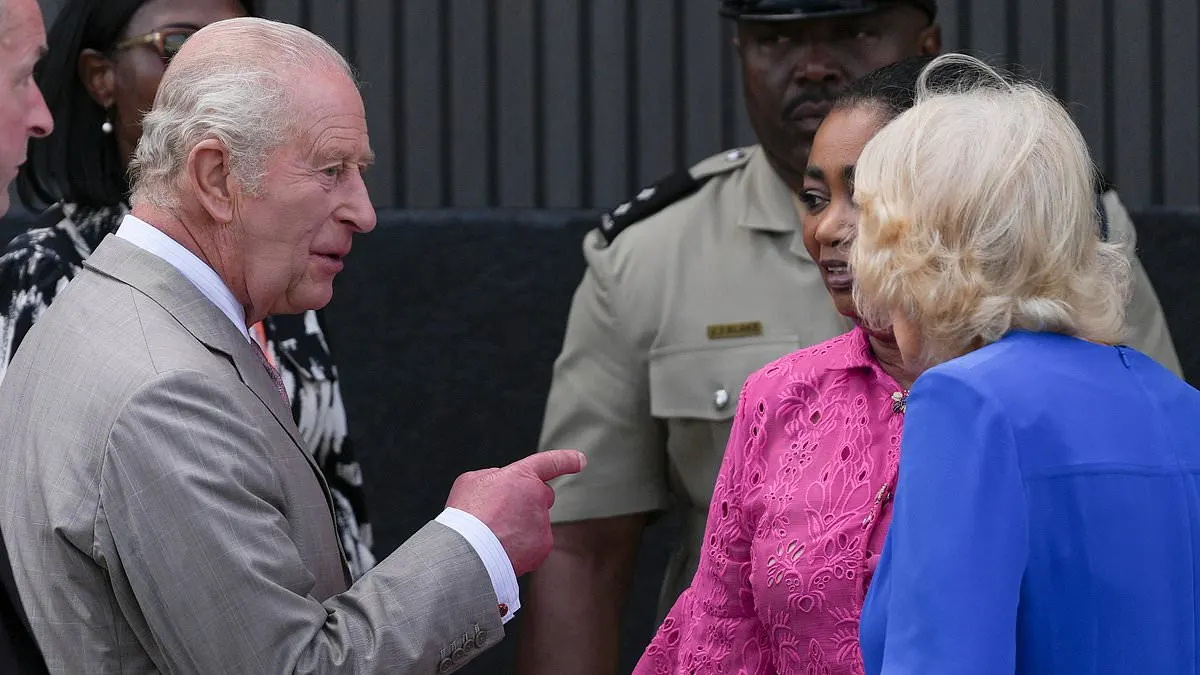
King Charles addressed Commonwealth leaders in Antigua amid calls for Britain to apologise and pay reparations for slavery. He expressed sorrow over the transatlantic slave trade and said its effects still cast a shadow, but did not offer an apology, saying the past cannot be changed.
He argued that history should be learned from and praised the Royal Navy’s role in ending the international slave trade. Charles said he wanted to help address past wrongs through future action, including education, jobs, trade and climate resilience. The dispute has intensified after Prime Minister Andy Burnham said he was open to discussing an apology but not reparations.
In short
- Charles expressed sorrow over slavery but did not apologise.
- He said the past cannot be changed, but its lessons can guide action.
- Reparations calls have sharpened debate among Commonwealth leaders.
Steelman: both sides, in good faith
The strongest fair case each way — we don't pick a winner.
The case for
A formal apology and reparative measures could acknowledge the scale and lasting effects of slavery, and help address inequalities rooted in that history. Supporters may see education, jobs and fairer trade as valuable, but argue that practical programmes should accompany a clear apology and be shaped with affected communities.
The case against
Those cautious about an apology or reparations may argue that present-day people and institutions should not be assigned liability for historical acts, and that the past cannot be undone. They may favour learning about slavery and investing in shared future priorities such as education, jobs, trade and climate resilience, while questioning whether formal reparations would be fair or effective.
Explained simply
The Commonwealth is a group of countries, most of which were once part of the British Empire. Many member countries in the Caribbean and Africa were affected by the transatlantic slave trade, in which millions of Africans were forcibly taken and sold into slavery.
Some governments and campaigners have called on Britain to apologise for its role and pay reparations, meaning compensation for harm caused. The debate involves the British government and monarchy, as well as leaders in countries whose societies were shaped by slavery and colonial rule.
The issue matters because it concerns how the legacy of slavery is recognised and addressed today. People disagree about what responsibility Britain should accept and what action, if any, should follow.
Read the full article at the source →
Originally published by Daily Mail as “King Charles arrives at meeting of Commonwealth leaders in Antigua ahead of keynote speech amid slavery reparations row”.