Technology news and discussion on TalkFuse.
Go foldable or go home: All the gadgets you can own that fold
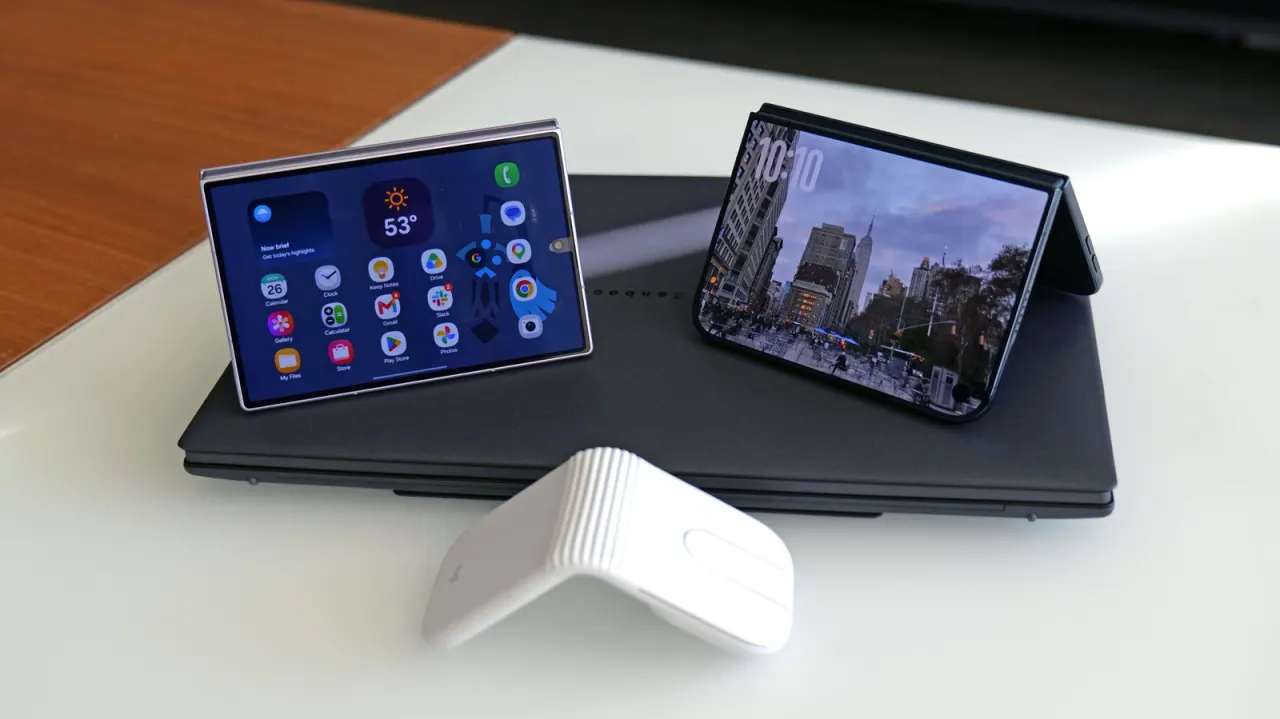
Foldable designs are appearing across several types of technology, from phones and laptops to mice and headphones. The article surveys these products and concepts, arguing that devices which change shape can be useful for travel and compact storage, though unusual designs and high prices limit their appeal.
Foldable laptops include dual-screen models from ASUS, HP and Lenovo, as well as flexible and rollable-screen devices. Foldable phones have been around for almost a decade, with Samsung’s Z Fold now in its eighth generation and other major manufacturers entering the market; large book-style models still cost at least $1,800. The article also points to Microsoft’s Arc mouse, Logitech’s Mobi Fold and headphones that collapse for easier packing.
In short
- Foldable designs now span phones, laptops, mice and headphones.
- High prices and unusual designs hold back adoption.
- Large book-style foldable phones cost at least $1,800.
Steelman: both sides, in good faith
The strongest fair case each way — we don't pick a winner.
The case for
Foldable devices can make technology more adaptable to everyday life: a phone can open into a larger screen, a laptop can offer more workspace, and accessories can pack away more compactly. For people who travel or work in varied settings, that flexibility may justify the cost and unfamiliar designs, while continued development could make such products more practical over time.
The case against
A changing shape does not automatically make a device more useful, and unfamiliar designs can bring compromises in comfort, durability or ease of use. With some large foldable phones costing at least $1,800, buyers may reasonably prefer established devices that meet their needs for less, especially when compact storage is only an occasional benefit.
Explained simply
Foldable technology uses hinges or flexible screens to let a device change shape, often so it takes up less room when stored or carried. The idea now appears in phones, laptops, mice and headphones, though some designs remain concepts or are still unusual compared with standard devices.
Samsung, ASUS, HP and Lenovo are among the companies making foldable phones or laptops, while Microsoft and Logitech have made folding mice. Foldable phones have been sold for several years, and newer models from more manufacturers have broadened the choice.
These devices can be useful for travel or working in a small space, but the extra engineering can make them expensive: large book-style phones cost at least $1,800. Their appeal depends on whether the space-saving design is worth the price and any compromises in how the device works.