World news and discussion on TalkFuse.
Outraged NYC woman discovers she’s been paying her neighbor’s electricity bill for a decade
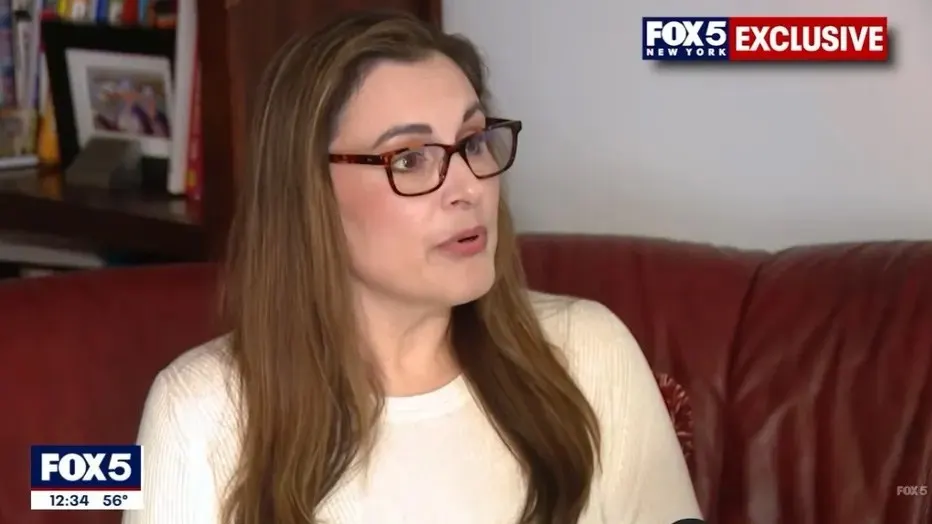
A Queens woman, Nicole Niceforo, discovered that Con Edison had been charging her for the electricity used by the flat above hers. For years she limited her air conditioning and washed dishes by hand to keep bills down, unaware that a meter mix-up was driving the high charges.
Con Edison acknowledged the error and issued refunds totalling more than $6,000, but that covers only the most recent six years. Niceforo is seeking payment for nearly four earlier years, plus interest; state officials upheld the six-year refund limit. She had asked the utility to check her meter in 2016, but the swap was exposed only after a later test, as rising electricity costs fuel wider concerns about affordability.
In short
- Con Edison billed a Queens woman for her upstairs neighbour’s electricity.
- She received more than $6,000 for the latest six years.
- State rules leave earlier overpayments outside the refund period.
Steelman: both sides, in good faith
The strongest fair case each way — we don't pick a winner.
The case for
Niceforo can reasonably argue she should be repaid for the full period she was wrongly charged: the utility’s meter mix-up caused her financial loss, and she had raised concerns years before the error was confirmed. Requiring repayment with interest could recognise that customers should not bear the cost of a utility’s mistake, particularly when the error took years to uncover.
The case against
Con Edison and state officials can reasonably argue that refunds must follow a consistent, legally defined time limit, even when an error is discovered later. A six-year cap may provide predictable rules for resolving old billing disputes, where records and evidence become harder to verify, while still ensuring a substantial refund for the period covered.
Explained simply
Con Edison supplies electricity to homes in New York City, where each flat’s usage is recorded by a meter and used to calculate its bill. If meters are wrongly connected to flats, residents can be charged for someone else’s electricity without knowing it.
New York state rules limit how far back a utility must refund customers after a billing error is found. The dispute matters because it raises questions about how such mistakes are detected and how much customers can recover, at a time when electricity costs are a concern for many households.