Culture news and discussion on TalkFuse.
The private creative world of Rabindranath Tagore, the man Yeats called ‘greater than any of us’
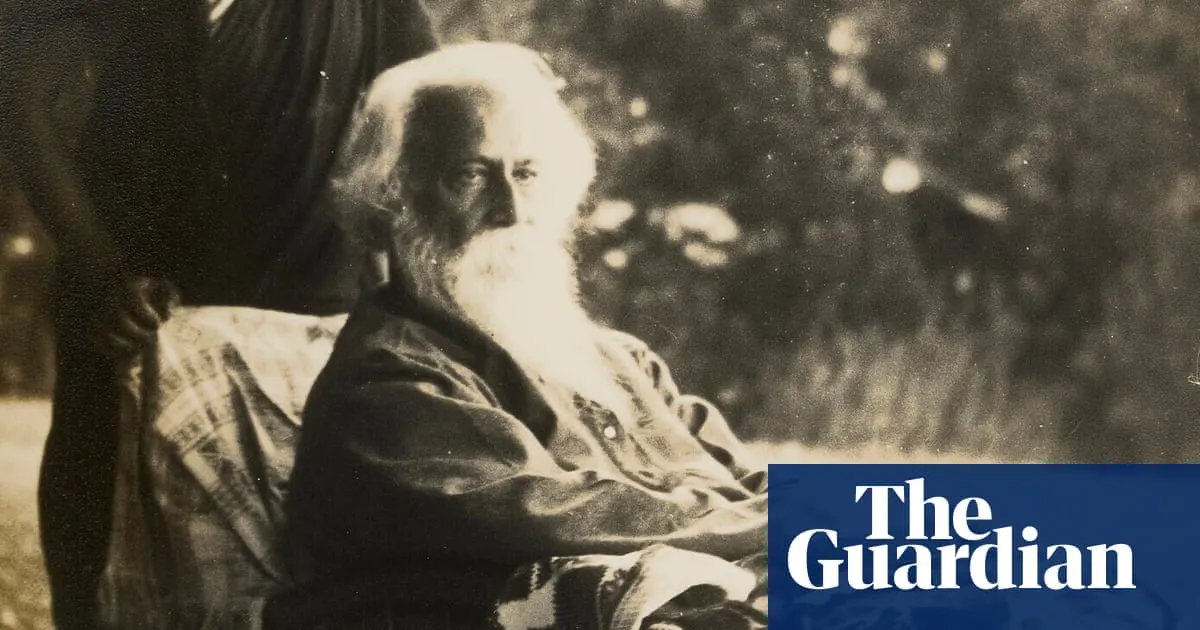
A previously unseen family archive is being shown publicly for the first time at a Christie’s exhibition in Mumbai. It offers a personal view of Rabindranath Tagore’s creative work and relationships during visits to his protégé Maitreyi Devi’s family home in Mungpoo from 1938 to 1940, shortly before his death.
The material includes artworks, manuscripts, hundreds of letters, photographs and personal belongings. One 1940 manuscript, apparently a draft of Tagore’s memoir *My Boyhood Days*, reflects on education and creativity, ideas he also put into practice at his experimental Santiniketan school. It is the only one of ten complete manuscripts in the exhibition dictated to Devi, suggesting the trust between them.
In short
- A family archive reveals Tagore’s private world in his final years.
- The collection includes manuscripts, letters, art and personal belongings.
- A 1940 memoir draft echoes his educational philosophy.
Explained simply
Rabindranath Tagore was a Bengali poet, writer, composer and artist whose work became known beyond India. He was the first non-European to win the Nobel Prize in Literature, in 1913. The Irish poet W. B. Yeats helped introduce his writing to English-speaking readers.
Maitreyi Devi was a writer and a protégé of Tagore. He visited her family home in Mungpoo, in the Himalayan foothills, between 1938 and 1940. Their relationship and their creative exchanges form part of the story behind the family archive.
Tagore’s ideas about education and creativity were reflected in Santiniketan, the experimental school he founded in Bengal. The archive’s manuscripts, letters, photographs and belongings can help show how his work and personal relationships developed in his later years.
Art Asia Culture Europe Politics World