World news and discussion on TalkFuse.
The Incredible Shrinking Superpower
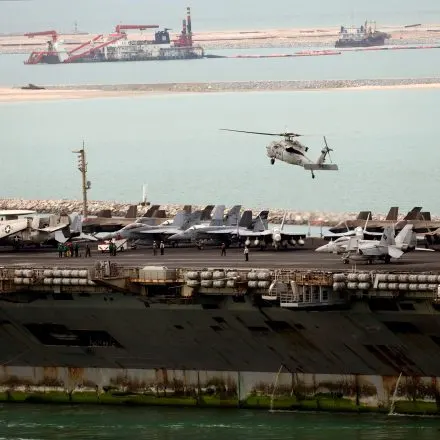
The article argues that the United States has suffered a major loss of influence in the Middle East after failing to achieve its aims in conflicts with Yemen’s Ansarullah and Iran. It says recent attacks on Saudi infrastructure show how regional forces can challenge both US power and its allies, while Washington’s military presence in the region has shrunk.
The article traces the renewed Saudi-Ansarullah conflict to a Saudi strike on Sanaa airport in July 2026, after a delegation returned from Iran. Ansarullah retaliated, and in October briefly closed a Saudi airport; Pakistan, Türkiye and Egypt have since pledged to defend Saudi Arabia, though they appear reluctant to operate inside Yemen. The supplied text ends mid-sentence, so it does not provide the article’s full account of the conflict.
In short
- The article says US influence in the Middle East is waning.
- Ansarullah attacks have reached Saudi airports and energy infrastructure.
- Pakistan, Türkiye and Egypt have pledged to defend Saudi Arabia.
Steelman: both sides, in good faith
The strongest fair case each way — we don't pick a winner.
The case for
The reported attacks and brief airport closure suggest that regional forces can impose costs on Saudi Arabia and complicate US aims, despite Washington’s military presence and partnerships. If allies are reluctant to operate inside Yemen, that may further limit the practical reach of US influence and security commitments.
The case against
A smaller US military presence or setbacks in particular conflicts do not by themselves establish a major loss of influence across the Middle East; influence can also rest on diplomacy, partnerships and deterrence. The account is incomplete, and the reported pledges by Pakistan, Türkiye and Egypt could indicate that Saudi Arabia still has substantial regional support, even if those states avoid fighting inside Yemen.
Explained simply
The United States has long had military bases and partnerships across the Middle East, including with Saudi Arabia, a major oil producer and regional power. These ties have helped Washington influence security in the region, but the size and reach of its military presence have changed over time.
Ansarullah, also known as the Houthis, is a movement that controls much of Yemen, including the capital, Sanaa. Yemen’s conflict has drawn in Saudi Arabia and other regional actors, while Iran is a key rival of Saudi Arabia and a significant player in Middle Eastern politics.
The story concerns competing efforts to shape the region’s security and the ability of local forces to threaten infrastructure and transport links. These issues matter beyond the countries directly involved because the Middle East is important to global energy supplies and trade.
Americas Middle East Politics World