Business news and discussion on TalkFuse.
Why you need vaccine boosters for some diseases and not others — as New York records first measles death in 30 years
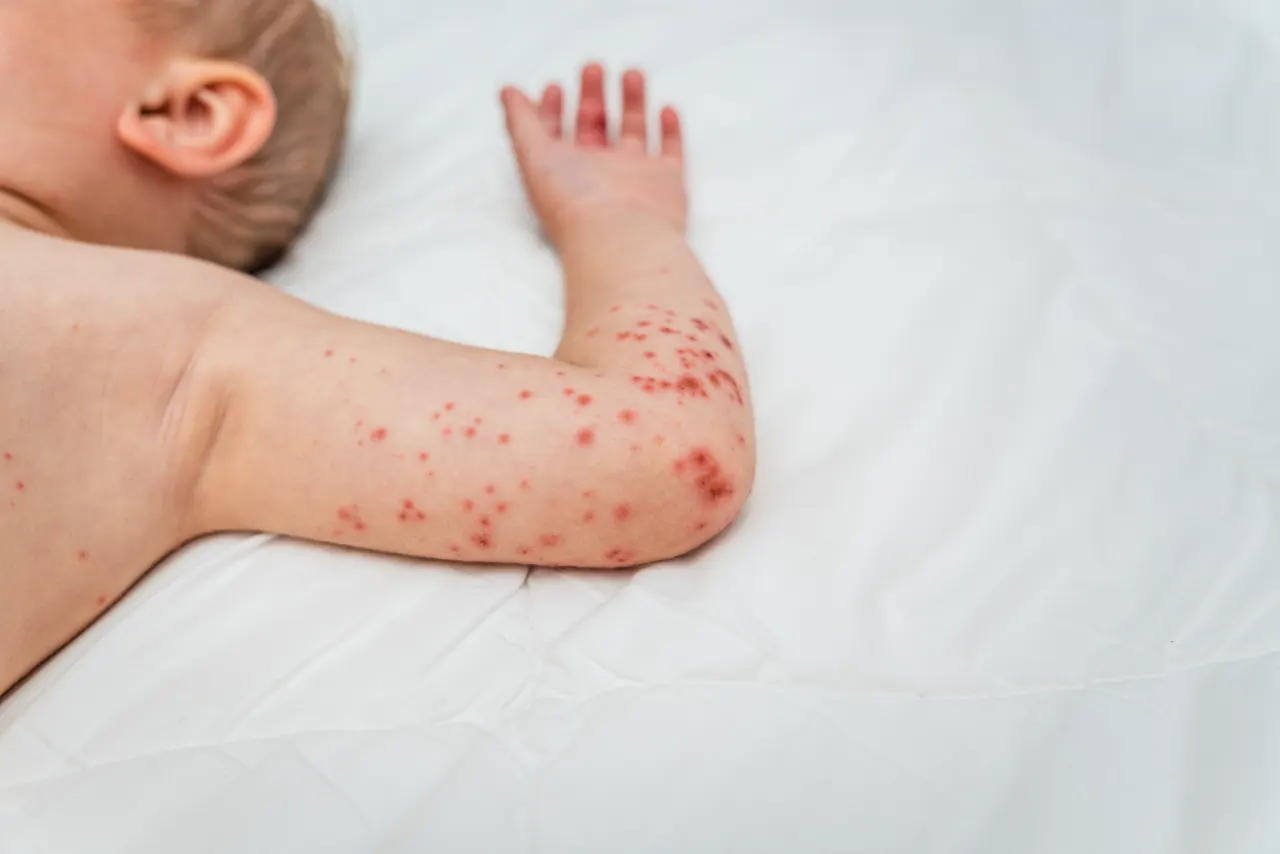
An unvaccinated child in Lewis County, upstate New York, has died after contracting measles, the state’s first known measles-associated death in more than 30 years. The case comes during a historic outbreak and highlights the role of vaccination: measles can be especially dangerous for young children, while the two-dose MMR series gives most people long-lasting protection.
Whether a vaccine needs boosters depends mainly on how much the infection changes and how long immunity lasts. Flu viruses evolve frequently, so vaccines are updated each year to target strains expected to circulate; protection also wanes over time. Measles changes less in the parts recognised by the immune system, so protection after two doses often lasts for decades or life, while tetanus and diphtheria boosters are generally recommended every 10 years.
In short
- An unvaccinated child’s measles death is New York’s first in over 30 years.
- Two MMR doses usually give long-lasting protection.
- Flu vaccines are updated annually as the virus changes and immunity wanes.
Explained simply
Vaccines train the immune system to recognise an infection and respond to it. Some, including measles, can cause serious illness, particularly in young children; two doses of the measles, mumps and rubella (MMR) vaccine give most people long-lasting protection.
Protection does not last equally long for every disease, and some germs change over time. Flu viruses change often, so flu vaccines are updated each year and protection can fade; measles changes less in the parts the immune system recognises.
Tetanus and diphtheria are different again: immunity can weaken, so booster doses are generally recommended every 10 years. These differences help explain why vaccination schedules vary by disease.
Business Health Medicine Software Technology World