Video games news, releases, esports and culture — all the biggest gaming stories in one place.
Original Tomb Raider devs didn’t love how Lara Croft was “sexualized” in marketing
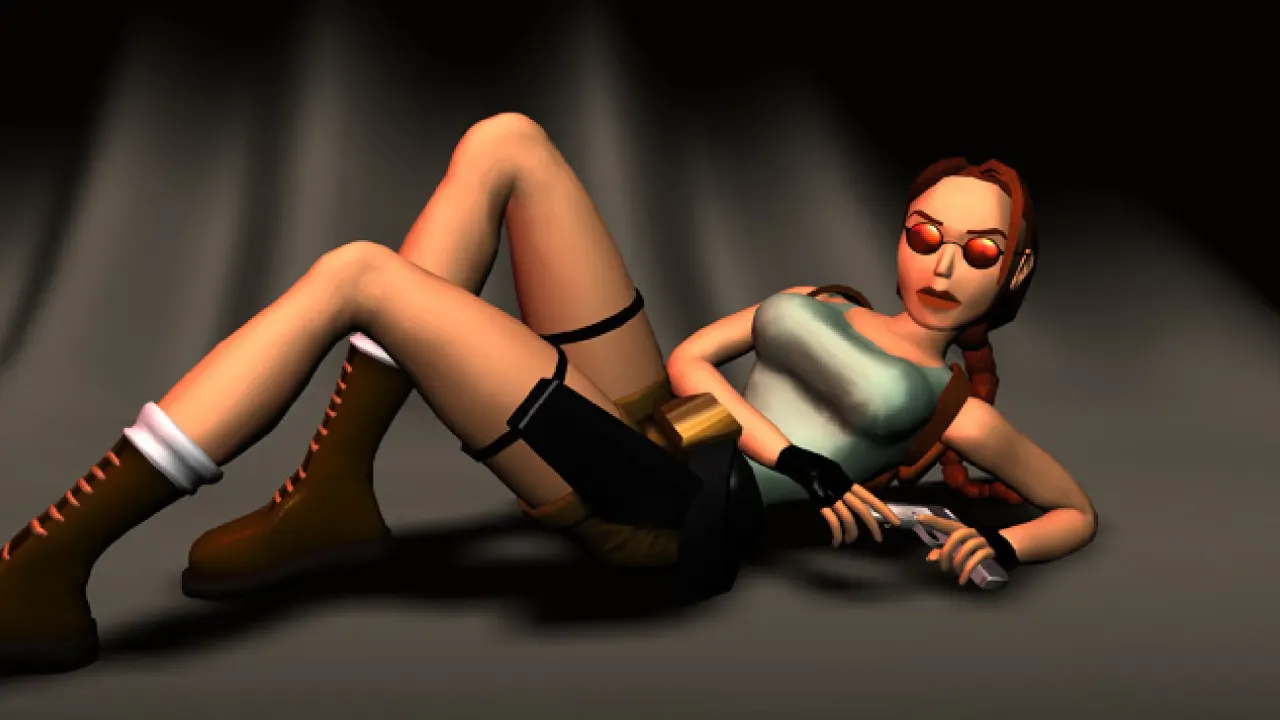
Original Tomb Raider creators say they were uncomfortable with publisher Eidos’s increasingly sexualised marketing of Lara Croft, even as it helped make her one of gaming’s most recognisable characters. Their initial vision was for a more realistic, androgynous heroine, but her design changed during development and Eidos later promoted her with suggestive images and poses.
Co-creator Paul Douglas said Lara began as a Latin American character named Laura Cruz, while level designer Heather Stevens felt some campaigns went too far and showed little imagination. Douglas maintained that the game’s quality spoke for itself despite the marketing. The article notes that Lara’s appearance moved closer to the original vision in the 2013 reboot, while upcoming games are returning to a more exaggerated style.
In short
- Eidos’s marketing made Lara Croft a major selling point.
- Original developers felt some campaigns oversexualised her.
- Lara’s design has shifted between realistic and exaggerated styles.
Steelman: both sides, in good faith
The strongest fair case each way — we don't pick a winner.
The case for
Suggestive marketing helped Lara Croft stand out in a crowded games market and made her one of gaming’s most recognisable characters, bringing attention to the games and their heroine. Supporters might argue that a stylised, exaggerated image was a legitimate creative and commercial choice, and that players could value Lara as an adventurous character as well as an icon.
The case against
The creators’ discomfort reflects a reasonable concern that sexualised promotion displaced the character’s original, more realistic and androgynous conception and relied on familiar images of women’s bodies to sell games. Critics might argue that the games’ quality and Lara’s appeal as an adventurer could have been promoted without reducing her to suggestive poses, which showed little imagination and narrowed how audiences saw her.
Explained simply
Tomb Raider is an action-adventure video game series centred on Lara Croft, an archaeologist who explores ancient sites and searches for artefacts. The first game was developed by a small team at Core Design and published by Eidos in 1996; its success helped turn Lara into a widely recognised character.
Lara’s look changed during development from the team’s initial idea of a more realistic, androgynous heroine. Eidos later used suggestive images and poses in advertising, which brought attention to the character but left some of the original creators uneasy about how she was being presented.
The debate reflects a wider question in games about how female characters are designed and marketed, and who shapes their public image. Lara’s appearance has varied across the series, as different games and campaigns have taken different approaches.