Politics news and discussion on TalkFuse.
The Guardian view on Labour’s growth obsession: a different economics is possible | Editorial
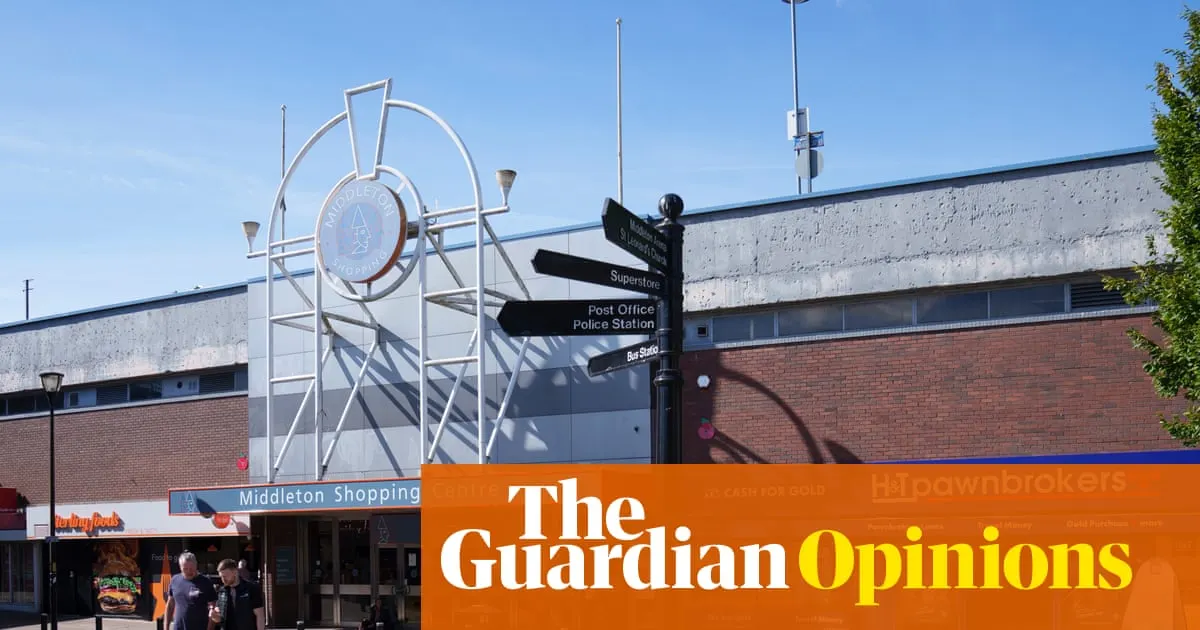
The Guardian editorial argues that Labour’s focus on economic growth as a precondition for social progress is misguided. Economists Karel Williams and Sukhdev Johal contend that a return to past growth rates may be unrealistic, and that growth concentrated in city centres will not resolve hardship in less prosperous towns. The article says social democrats can improve people’s lives without waiting for GDP to rise.
It calls for redistributive fiscal policies to reduce bills and greater investment in local essentials such as transport, utilities, care and other public infrastructure. Andy Burnham’s decision to bring Greater Manchester’s buses under public control and cap fares is presented as one example. The editorial also argues that devolution should give communities more control, pointing to a development corporation in Middleton shaped by residents and local businesses.
In short
- Labour should not make social progress depend on economic growth.
- Local investment and redistribution can improve daily life.
- Communities need more say over essential services and development.
Steelman: both sides, in good faith
The strongest fair case each way — we don't pick a winner.
The case for
Social progress need not depend on a return to strong GDP growth: redistribution and investment in transport, utilities, care and other local services could ease hardship directly, including in towns that miss out on city-centre gains. Giving communities more control over local development may also help direct resources towards needs residents and businesses identify.
The case against
Economic growth can expand the tax base and create jobs, making it easier to fund public services and raise living standards over time. A government that treats growth as secondary may have less capacity to sustain redistribution and investment, while local control and public ownership, though potentially useful, do not by themselves guarantee efficient services or broad economic gains.
Explained simply
Labour has made economic growth a central aim, linking a stronger economy with improvements to public services and living standards. Growth is often measured by gross domestic product, or GDP, which tracks the value of goods and services produced.
The debate is about whether rising GDP is enough to improve life across the country, especially in places with fewer jobs and services. Economists Karel Williams and Sukhdev Johal argue that growth may not return to past rates and can be unevenly spread.
The discussion also involves how governments and local authorities distribute resources and shape services. Greater Manchester mayor Andy Burnham’s bus reforms and a resident-influenced development plan in Middleton are examples of local action cited in the debate.