World news and discussion on TalkFuse.
King tells Commonwealth leaders that Britain’s role in slave trade was ‘shameful’ but stops short of apology – as it happened
Developed over time first seen 1 day ago
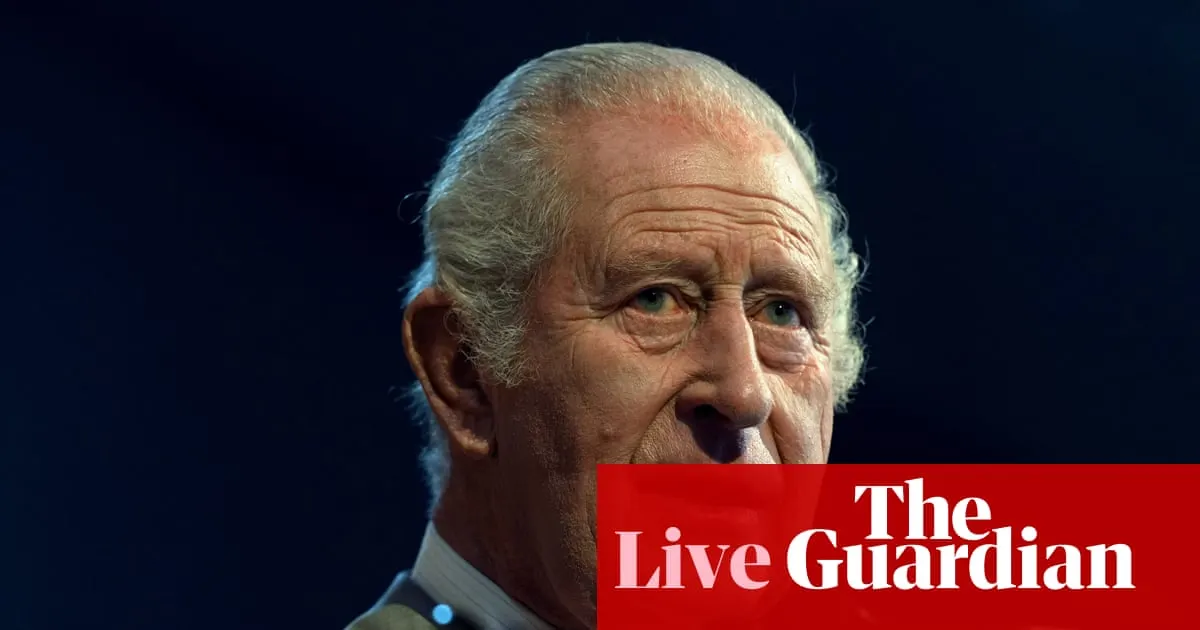
King Charles III described the transatlantic slave trade as a “shameful chapter of history” in a speech opening the Commonwealth Heads of Government Meeting in St John’s, Antigua and Barbuda, on 3 November 2026. He said its legacy still affected Commonwealth countries and expressed profound personal sorrow, but offered no formal apology or explicit support for reparations. Charles said he wanted modern partnerships to address past wrongs, pointing to education, jobs, trade and climate resilience.
- Sources
- 2
- Outlets
- 1
- Left · Centre · Right
- 2 · 0 · 0
In short
- The King expressed sorrow over the slave trade but did not apologise.
- Britain has offered talks about an apology while ruling out reparations.
- Caribbean leaders say an apology should be followed by action to repair harm.
How this story developed
- 1 day ago King Charles III described the transatlantic slave trade as a “shameful chapter of history” in a speech opening the Commonwealth Heads of Government Meeting in St John’s, Antigua and Barbuda, on 3 November 2026.
Steelman: both sides, in good faith
The strongest fair case each way — we don't pick a winner.
The case for
Those seeking an apology or reparations can argue that Britain’s role in the slave trade caused immense harm whose effects persist, and that acknowledging this history without a formal apology or material remedy falls short. A clear apology could recognise the suffering of victims and descendants, while reparative measures could help address lasting inequalities and make partnership more meaningful.
The case against
Those favouring the King’s approach can argue that he acknowledged the trade as shameful, expressed sorrow and recognised its continuing legacy, while leaving decisions about formal apologies and reparations to governments. They may see practical cooperation on education, jobs, trade and climate resilience as a constructive way to confront historical harms and improve lives today.
Explained simply
The transatlantic slave trade forcibly transported millions of Africans to the Americas and the Caribbean, where they and their descendants were enslaved. Britain played a major role in the trade before abolishing it in the 19th century; its effects remain part of debates about history, inequality and responsibility.
The Commonwealth is a voluntary association of countries, many of which were once under British rule. Its leaders meet to discuss shared issues, while member countries differ on whether Britain should formally apologise or provide reparations for slavery.
Coverage · 2 sources
Bias meters
From 2 rated sources.
Asia Government Politics UK World