World news and discussion on TalkFuse.
Kellogg’s reformulates cereals with wheat gluten after rice supply issues
Developed over time first seen 1 day ago
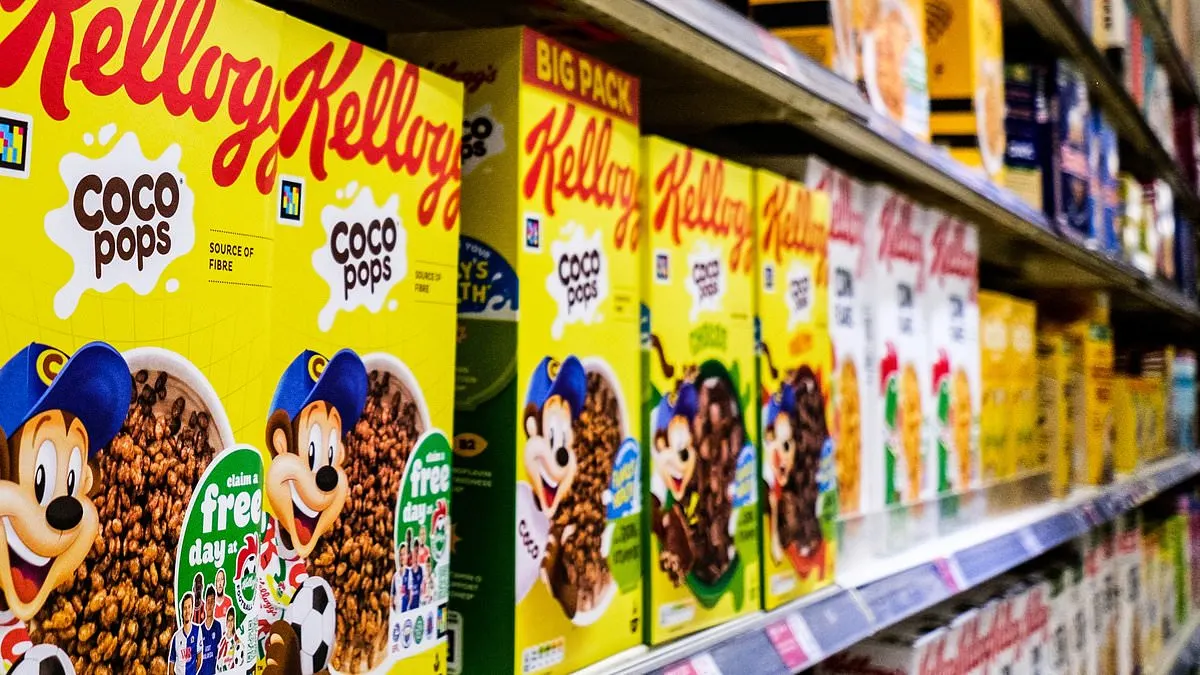
Kellogg’s has reformulated Rice Krispies and Coco Pops, replacing whole rice grains with flour-based ingredients. The change is significant for people with wheat allergies or coeliac disease, as both cereals now contain wheat gluten as an ingredient.
Rice Krispies are now made with rice flour, while Coco Pops use rice and corn flour. Kellogg’s attributes the change to weather affecting the quality and availability of rice and other grains, and says the cereals retain their fibre, vitamin D and iron levels and remain non-HFSS. New packaging highlights wheat as an allergen; the article also reports that Rice Krispies sales are declining.
- Sources
- 2
- Outlets
- 2
- Left · Centre · Right
- 0 · 1 · 1
In short
- Kellogg’s replaced whole rice grains with flour in both cereals.
- Both recipes now contain wheat gluten.
- New packs flag wheat as an allergen.
How this story developed
- 17 hours ago The latest account repeats the reformulation details and notes that new packaging flags wheat as an allergen, while Rice Krispies sales are reported to be falling.
- 23 hours ago Kellogg’s also cited weather-related effects on the quality and availability of rice and other grains, while saying the cereals retain their fibre, vitamin D and iron levels and remain non-HFSS.
- 1 day ago Kellogg’s changed the recipes for Rice Krispies and Coco Pops, replacing whole rice grains with flours and adding wheat gluten, which makes both cereals unsuitable for people with wheat allergies or coeliac disease.
Full account
Kellogg’s has changed the UK recipes for Rice Krispies and Coco Pops, replacing whole rice grains with flours. Rice Krispies now use rice flour, while Coco Pops use a mix of rice flour and corn flour. The company says the change is intended to help keep product quality consistent as weather conditions affect the quality and availability of some grains.
The reformulation changes what shoppers need to check on the packets. Both cereals now contain wheat gluten, which must be listed as an allergen. They were previously labelled as potentially containing gluten because other cereals containing it were handled at the factory. The new recipes therefore make the products unsuitable for people with a wheat allergy or coeliac disease, according to the reports; the packs carry prominent notices about the allergen change.
Kellogg’s says the recipes were assessed for taste, appearance and texture, and that it has considered customer feedback. It also says the cereals remain within UK standards for fat, salt and sugar, contain no artificial colours, flavours or sweeteners, and retain their previous levels of fibre, vitamin D and iron. The reports do not provide independent assessments of the changed taste or texture.
The change is described as specific to the UK. The BBC report says Kellogg’s North American business expects Rice Krispies in the United States and Canada to continue to be made with rice. It links supply pressures to dry weather in Asian producing countries, while the company’s explanation refers more broadly to changing conditions affecting grain quality and availability. The Grocer’s reported context is different: it says Rice Krispies sales are falling, with value and volume down, ahead of figures due in its 2026 Top Products Survey.
Where outlets differ
From the full account, which is AI-written from the sources:
The reports give different detail on the weather behind the change. Source 1 points to floods and strong storms in Arkansas, California and Louisiana, where Kellogg’s sources rice. Source 2 focuses on dry conditions in Asian rice-growing countries and broader risks from El Niño; these are distinct explanations and are not reconciled in the accounts.
Source 1 explicitly says Coco Pops now use both rice flour and corn flour, while Source 2 describes the replacement as corn flour and rice flour without distinguishing the formulations by cereal. Source 2 also reports that North American Rice Krispies recipes are expected to remain unchanged, and provides corporate ownership and El Niño context absent from Source 1. Source 1, in turn, includes the sales decline reported by The Grocer.
Centre outlets 1
Only here: grains, krispies, changing, weather
Right-leaning outlets 1
Only here: reformulates, cereals, wheat, gluten, supply
Every side used: rice, kellogg
Headline columns compared word for word; nothing in them is AI-written.
Steelman: both sides, in good faith
The strongest fair case each way — we don't pick a winner.
The case for
Kellogg’s can argue that changing weather has made suitable whole grains harder to source, so reformulating with flours helps keep these cereals available. It says the products retain their fibre, vitamin D and iron levels and remain non-HFSS, while the new packaging flags wheat as an allergen.
The case against
Consumers can argue that replacing whole rice grains changes products they may have relied on, and adding wheat gluten makes them unsuitable for people with a wheat allergy or coeliac disease. Clear allergen labelling helps, but it does not preserve access for those consumers or remove concerns about changing familiar ingredients.
Explained simply
Rice Krispies and Coco Pops are breakfast cereals made by Kellogg’s, a company that sells cereal brands in many countries. Their familiar crisp texture has traditionally come from whole grains of rice.
People with coeliac disease must avoid gluten, a protein found in wheat, while people with a wheat allergy can have an allergic reaction to wheat. Food labels identify allergens so shoppers can check whether a product is suitable for them.
Rice is a crop whose supply and quality can be affected by weather. Changes to ingredients can matter to shoppers who rely on familiar foods, and to cereal makers managing supplies and sales.
Coverage · 2 sources
Bias meters
From 2 rated sources.
Business Companies Culture Food Health Medicine World
Read the full article at the source →
Originally published by Daily Mail as “Snap, crackle and shock as Rice Krispies lose rice grains”.