Culture news and discussion on TalkFuse.
V&A exhibition explores Byzantine and Ottoman splendour in Istanbul
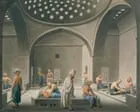
The V&A’s “Constantinople to Istanbul” exhibition brings together the art and objects of the Byzantine and Ottoman empires, whose capitals shared the same strategic city across different eras. The review describes the show as an immersive celebration of their splendour, while tracing how Constantinople survived as the Byzantine capital until the Ottomans conquered it in 1453 and renamed it Istanbul.
Highlights include a Byzantine icon of St Eudokia inlaid with coloured glass and precious stones, a gold-woven kaftan probably worn by Sultan Selim II, and tiles and bathing objects from Ottoman Istanbul. The exhibition also displays relics of Constantinople’s Roman heritage, including a mosaic from Constantine’s palace and objects linked to the Hippodrome. It presents Byzantium as a lasting centre of Greek and Roman learning, before the city’s fall to Ottoman forces armed with cannon.
In short
- The V&A exhibition explores two empires centred on one city.
- Byzantine icons and Ottoman textiles feature among its lavish objects.
- The show traces Constantinople’s fall to the Ottomans in 1453.
Read the full article at the source →
Originally published by The Guardian as “Constantinople to Istanbul review – you won’t want to leave this lavish celebration of double imperial splendour”.