World news and discussion on TalkFuse.
Voters head to polls to decide control of House and Senate
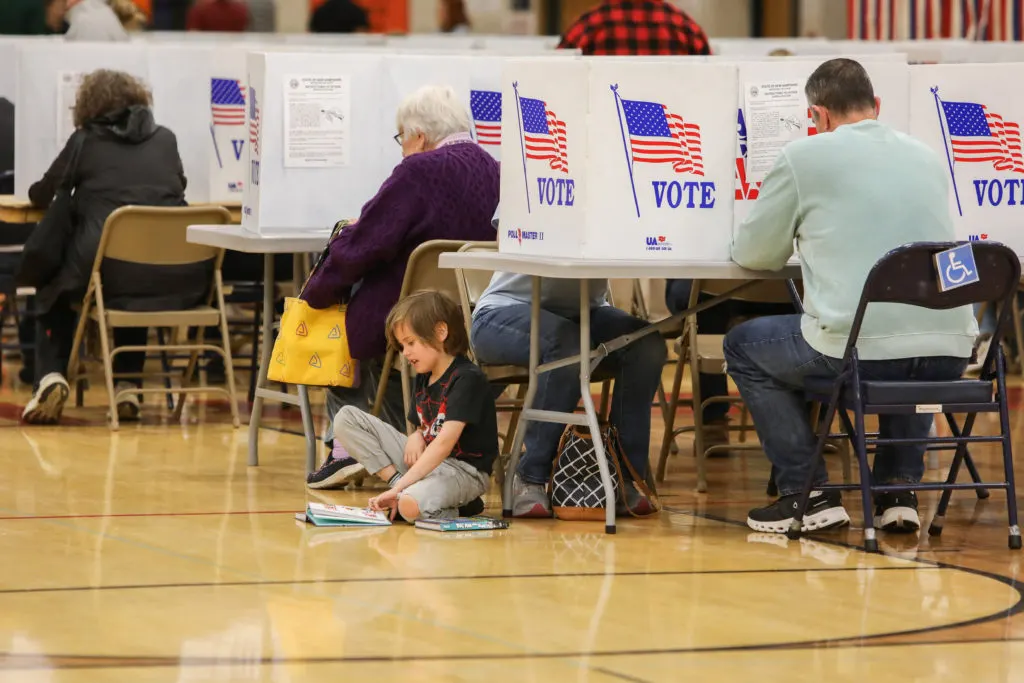
Voters across the United States went to the polls in a midterm election that will decide control of the House and Senate. The result is widely viewed as a judgement on President Donald Trump and his administration, while the Justice Department’s unprecedented election monitoring has raised concerns about federal involvement in voting.
The race remained unsettled as polls were still open in many states, with Michigan’s Senate contest drawing particular attention after Representative Haley Stevens endorsed Republican Mike Rogers over fellow Democrat Abdul El-Sayed. Voters cited both support for Trump and worries about affordability, including rising petrol costs. The Justice Department deployed monitors in all 50 states, and technical problems with voting machines in Westchester County, New York, led officials to use emergency paper ballots in a closely watched House race.
In short
- Midterm voters are deciding control of both chambers of Congress.
- The election is seen as a referendum on Trump.
- DOJ monitors were deployed in all 50 states.
Steelman: both sides, in good faith
The strongest fair case each way — we don't pick a winner.
The case for
Supporters of the Justice Department’s monitoring can argue that federal observers help ensure election rules are followed consistently and reassure voters that problems will be noticed. In a closely contested election, visible oversight may strengthen confidence in the process, provided monitors respect state and local officials’ authority.
The case against
Critics can argue that unprecedented federal monitoring risks appearing to pressure election officials or voters, especially when the administration itself is being judged at the polls. Even without proof of interference, its presence may undermine trust in state-run elections and raise concerns about whether oversight is impartial.
Explained simply
The United States Congress has two chambers: the House of Representatives, where members are elected from local districts, and the Senate, where each state elects two senators. Midterm elections take place halfway through a president’s four-year term, and voters choose every House seat and about a third of Senate seats.
Congress makes federal laws and approves spending, while the Senate also confirms many senior government appointments. The party that controls a chamber can influence which bills advance and how the president’s plans are considered, so election results can affect the balance of power in Washington.
States and local officials run elections, while federal law sets some rules and the Justice Department can monitor voting for compliance with those laws. Monitoring is intended to check election procedures; federal involvement can draw scrutiny because responsibility for running the vote is divided between national and state authorities.
Americas Elections Government Politics World