Politics news and discussion on TalkFuse.
Democrats’ blue wave may crash into a dead end
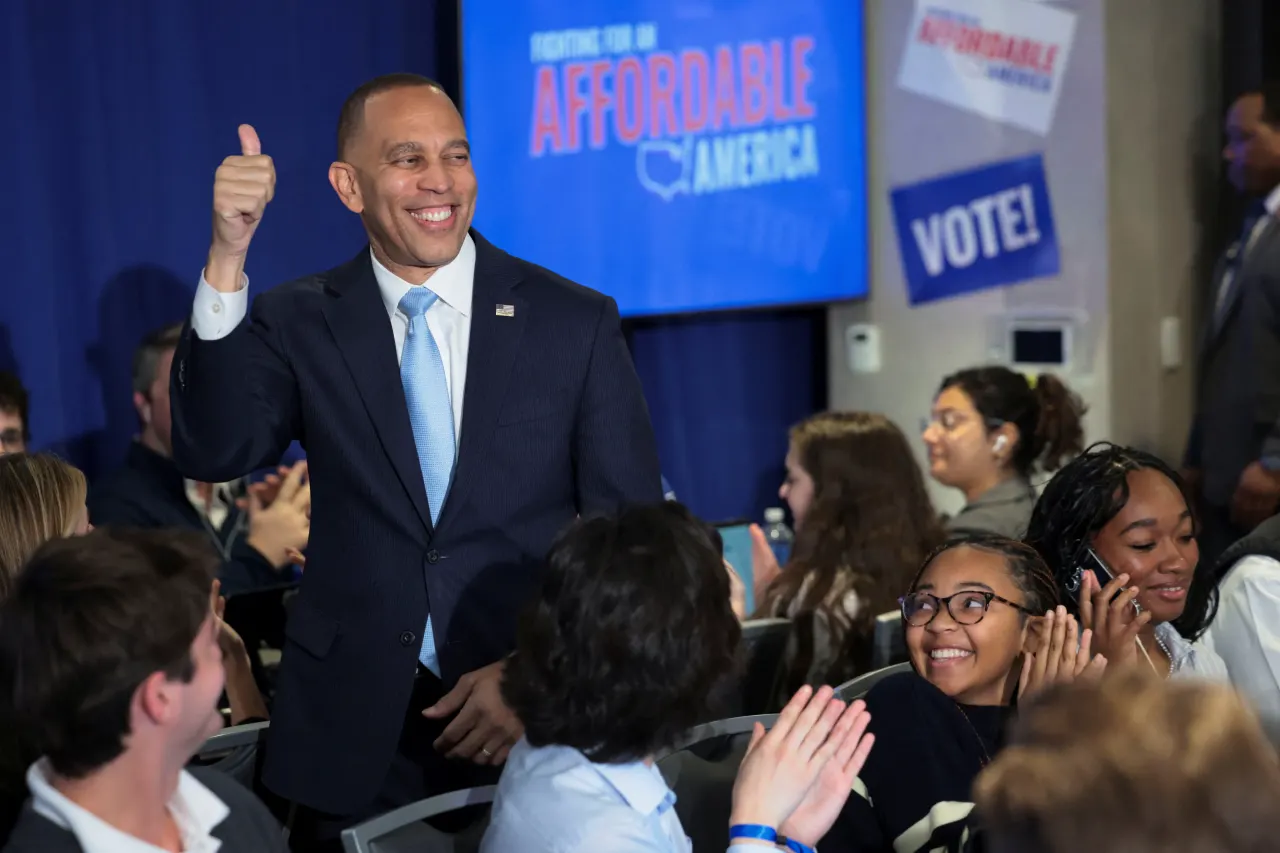
The opinion piece argues that Democrats may gain seats in the 2026 midterms as voters react to the Iran war, high fuel prices and affordability concerns, but that an electoral win may not translate into effective governing. It says the party risks losing public support again if it focuses on confrontation with President Donald Trump rather than practical cooperation.
The author points to Democrats’ past record, their low public standing and Trump’s ability to veto legislation as constraints on what a newly elected Congress could achieve. The article suggests possible compromises on energy production, welfare funding, immigration enforcement and criminal justice, but predicts Democrats will instead pursue opposition and messaging aimed at their political base. These are the writer’s opinions and predictions, not established outcomes.
In short
- Voter discontent could help Democrats in the midterms.
- Trump’s veto could limit their legislative agenda.
- The author warns that confrontation may cost them support.
Steelman: both sides, in good faith
The strongest fair case each way — we don't pick a winner.
The case for
A Democratic seat gain could give voters a way to register concern about the Iran war, fuel costs and affordability, while creating pressure for the party to offer practical alternatives. Even with a presidential veto as a constraint, congressional oversight and negotiated legislation could still matter; cooperation on energy, welfare, immigration enforcement or criminal justice might produce tangible results and show voters the party can govern.
The case against
A Democratic victory might bring limited policy change if Republicans and the president can block major legislation, leaving the party with few ways to deliver on voters’ expectations. Advocates of a more confrontational approach could argue that compromise risks legitimising policies they oppose, while visible resistance and clear messaging are needed to hold the administration accountable and maintain support among voters who elected Democrats to challenge it.
Explained simply
In the United States, voters elect members of Congress, which makes federal laws and approves public spending. Midterm elections take place halfway through a president’s four-year term; they can change which party controls Congress, but do not replace the president.
The Democratic Party and Republican Party compete for control of Congress and the White House. If Democrats win seats, they could influence legislation and investigate the administration, but the president can veto bills, and Congress needs enough votes to override a veto. This can limit what either party can achieve without support from the other.
The debate also reflects wider concerns about living costs, energy, welfare, immigration and crime. How Democrats respond to those issues, and how they work with President Donald Trump’s administration, could affect public support for the party and its ability to govern.