Politics news and discussion on TalkFuse.
Trump touts ‘ultimate power’ of veto if Democrats win control of House and Senate
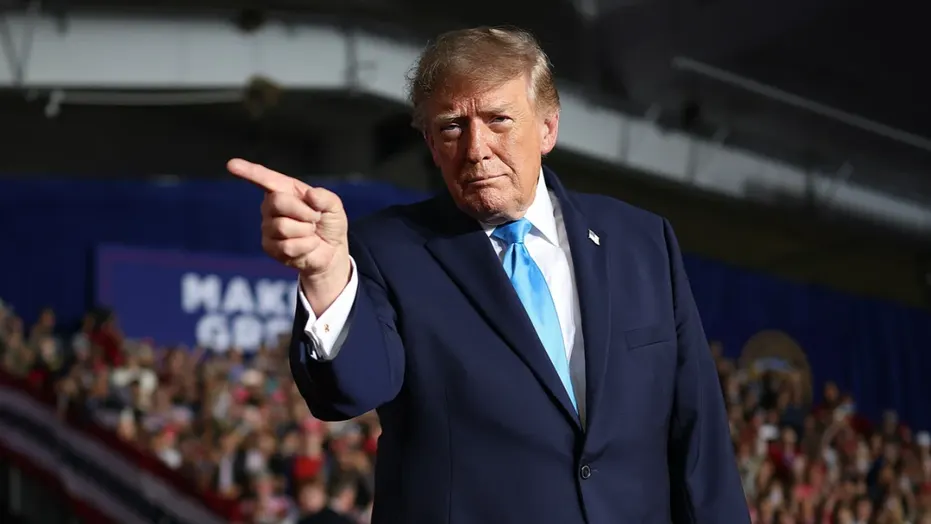
Donald Trump said he would use his presidential veto if Democrats control both chambers of Congress, arguing it could compel them to negotiate with him. His comments signal how he says he would pursue his agenda during the final two years of his presidency if Republicans lose their majorities.
Trump also pointed to a Supreme Court ruling that he said strengthened presidential powers, and said Republicans might perform better in the midterm elections than earlier forecasts suggested. He cited 33 campaign events over 29 days and has made 30 in-person political appearances since August, including more than 27 rallies in October.
In short
- Trump says he would veto Democratic legislation if Republicans lose Congress.
- He argues vetoes could bring Democrats to the negotiating table.
- He credits a 29-day campaign tour with boosting Republican prospects.
Steelman: both sides, in good faith
The strongest fair case each way — we don't pick a winner.
The case for
A president’s veto is a constitutional check that can prevent legislation they believe would harm the country or conflict with their mandate. If opposing parties control Congress and the White House, using the veto may also press both sides to negotiate a compromise rather than enact policies the president rejects.
The case against
A president who relies on vetoes to force negotiations could obstruct measures supported by voters’ elected representatives and make governing more difficult. If used chiefly as leverage, the veto may deepen partisan conflict and leave urgent policy questions unresolved.
Explained simply
The US Congress has two chambers: the House of Representatives and the Senate. Voters elect members of both, and the party with the most seats in each chamber can shape which bills are considered and passed.
A president can veto a bill passed by Congress, meaning it cannot become law unless both chambers vote to override the veto by a two-thirds majority. The Supreme Court is the country’s highest court and rules on how the Constitution and federal laws apply, including the limits of government powers.
Midterm elections take place halfway through a president’s four-year term, with all House seats and some Senate seats contested. They can change which party controls Congress, affecting how readily a president can advance legislation during the rest of the term.