Politics news and discussion on TalkFuse.
Miliband says slavery apology will not bring costs for UK taxpayer
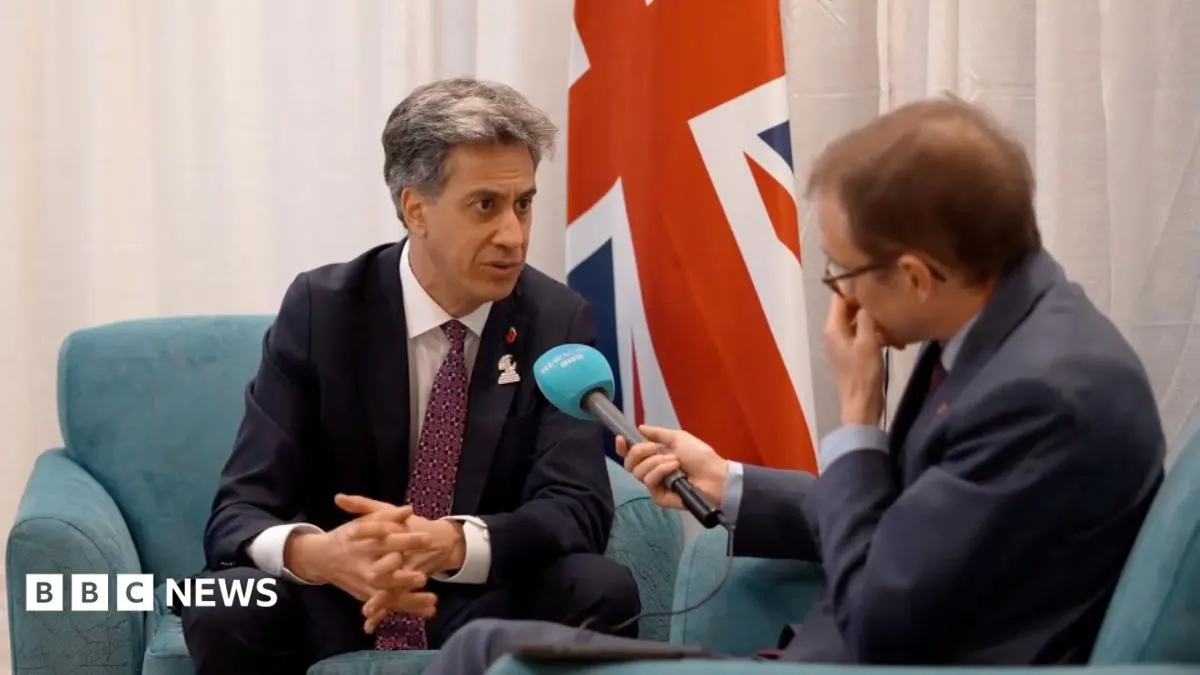
Ed Miliband says considering a formal apology for Britain’s role in the transatlantic slave trade will not increase costs for UK taxpayers. The government has ruled out reparations, while arguing that acknowledging the past could help address a long-running issue among Commonwealth countries.
Ministers are starting a “structured dialogue” with affected countries, with an apology potentially timed around the G20 summit in Manchester in November 2027. Miliband cited more than three million people being shipped with the British state’s complicity over roughly two centuries; hundreds of thousands died during the journey. He said the government wanted to confront the history after earlier disagreements, including at the 2024 Commonwealth summit in Samoa.
In short
- Miliband says a slavery apology will not raise UK taxpayer costs.
- The government has ruled out reparations.
- Talks with affected countries could lead to an apology in 2027.
Steelman: both sides, in good faith
The strongest fair case each way — we don't pick a winner.
The case for
Supporters could argue that a formal apology would acknowledge the British state’s role in a grave historical injustice and help address a longstanding concern raised by Commonwealth countries. They may see recognition and dialogue as worthwhile in their own right, while the government’s rejection of reparations and Miliband’s assurance that an apology would not increase taxpayer costs limit its financial consequences.
The case against
Critics could argue that a state apology risks implying continuing responsibility for historical acts and could renew pressure for reparations even if ministers rule them out now. They may also question whether a symbolic gesture will improve relations or address present-day inequalities, and favour focusing government attention on current problems and practical cooperation.
Explained simply
Britain was one of the countries involved in the transatlantic slave trade, in which millions of African people were forcibly taken to the Americas and the Caribbean. British ships and institutions played a role over many generations, and many people died during the journeys or were forced to live and work in slavery.
The Commonwealth is a group of countries, many of which were once part of the British Empire. Some member countries have called for Britain to address the lasting effects of slavery and colonial rule; Britain’s government has ruled out paying reparations, while considering whether to make a formal apology.