Video games news, releases, esports and culture — all the biggest gaming stories in one place.
Marvel’s VisionQuest Episode 7 Review: ‘Immolation’
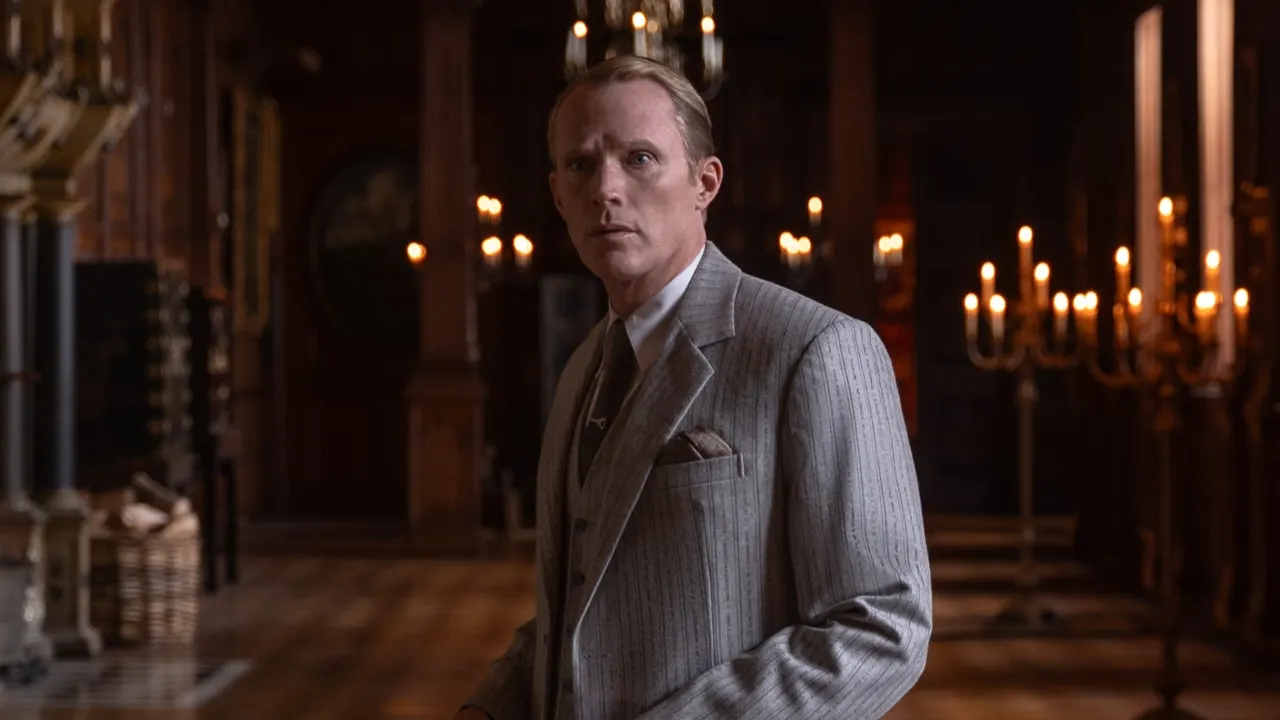
“Immolation” centres on White Vision confronting the memories and emotions he has suppressed, giving Paul Bettany his strongest showcase in the series so far. The episode’s looping, unsettling journey through Vision’s mind builds psychological tension and gives Bettany room to portray several versions of the character.
A Second World War flashback introduces Phineas Horton, also played by Bettany, while Vision’s inward journey brings him face to face with the classic Vision, Horton and his creation J.I.M. The reviewer finds the Ultron and Jocasta storyline less developed and the events at Paladin’s hideout secondary, though the episode ends by revealing Paladin’s benefactor as a seemingly human version of Ultron.
In short
- Bettany delivers his strongest performance of the series so far.
- White Vision confronts memories and emotions he had suppressed.
- Paladin’s benefactor is revealed as a human-looking Ultron.
Explained simply
Vision is an artificial being in Marvel’s superhero stories, created from advanced technology and shaped by memories, relationships and human emotions. White Vision is a rebuilt version of the character who has had his memories removed, leaving him to reckon with what makes him the same person as earlier versions.
The episode also draws on Phineas Horton, a scientist from the character’s history, and J.I.M., his creation. Ultron is another artificial intelligence in Marvel’s stories, known for opposing humanity; Jocasta is a character connected to him. These links matter because they place Vision’s personal struggle within a wider story about artificial beings, identity and memory.