Business news and discussion on TalkFuse.
James Bond Casting History: How Media Covered Past 007 Reveals
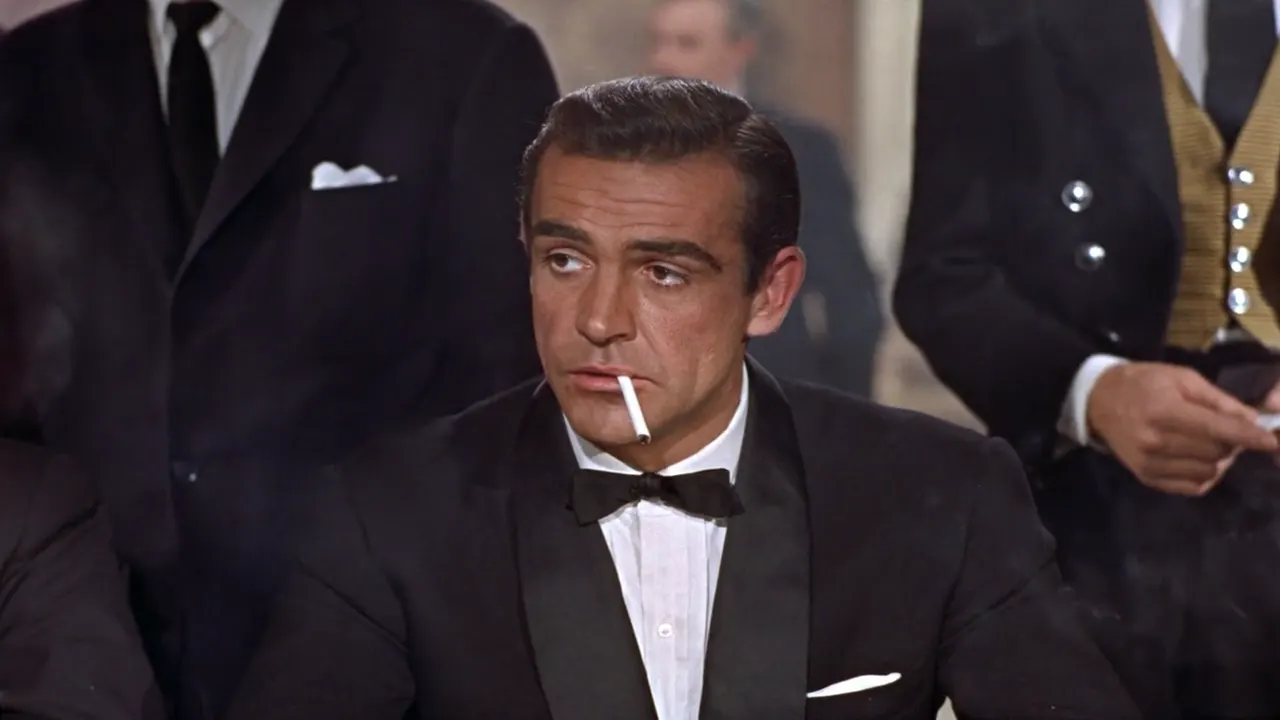
An account of newspaper coverage of James Bond casting announcements from Sean Connery to Daniel Craig shows that public scrutiny of the role is long-standing. The actors’ reputations shaped the reaction: relative newcomers faced questions about whether they could play 007, while performers already associated with similar roles were more readily accepted.
Connery was called an unknown when he was cast 65 years ago, despite the anticipation surrounding the big-screen adaptation of Ian Fleming’s bestselling novels. George Lazenby drew scepticism because he was a model with no acting experience, while Roger Moore’s fame from television helped make his casting broadly favourable, though some headlines reduced him to a “TV actor”. Timothy Dalton faced comparisons with Moore after a 12-year run, and Pierce Brosnan had previously missed out because his television contract kept him from taking the role.
In short
- Connery was labelled an unknown when cast as the first big-screen Bond.
- Lazenby faced scrutiny over his lack of acting experience.
- Familiarity with television roles influenced reactions to later casting.
Explained simply
James Bond is a fictional British secret agent created by author Ian Fleming. His stories began as bestselling novels and later became a long-running film series, with different actors playing Bond, also known as 007.
Casting a new Bond can attract scrutiny because each actor is compared with those who came before. Sean Connery was relatively unknown when chosen, while George Lazenby had no acting experience; Roger Moore was already familiar to television viewers.
The actors’ past work also shaped expectations: Timothy Dalton followed Moore after a long run, and Pierce Brosnan had once been unable to take the role because of a television contract. These changes matter because the actor’s public image can influence how audiences and the press respond to a new Bond.