Politics news and discussion on TalkFuse.
Trump’s White House ‘defiant’ despite Democratic midterm gains
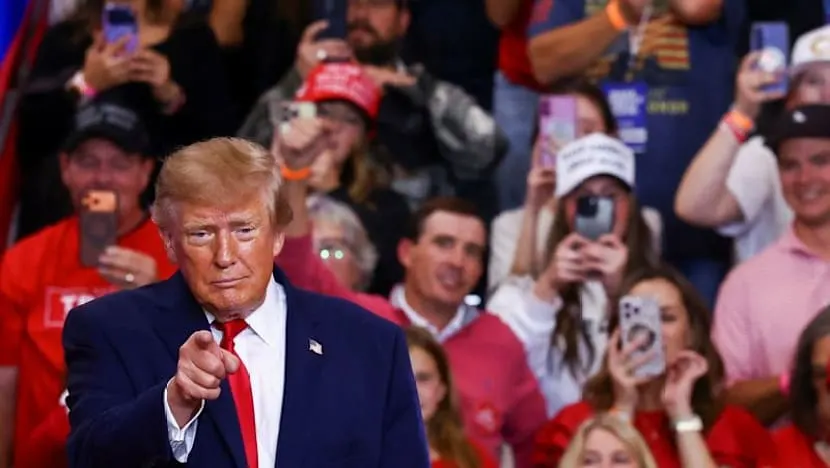
Donald Trump said he would accept the midterm election results and work with Democrats, even as early figures pointed to major Republican losses. His remarks followed repeated efforts to question the fairness of the elections and concerns that he might reject a defeat; the results could give Democrats control of both chambers of Congress and constrain his agenda.
Trump said he would veto legislation he considered “insane”, but predicted the parties would eventually negotiate. He acknowledged that the Iran war may have hurt Republican candidates, while arguing voters understood his actions. The White House maintained a defiant tone, blamed some Republican candidates’ quality and dismissed concerns over the war and rising living costs.
In short
- Trump said he would accept the midterm results.
- Democrats appeared set to control both chambers of Congress.
- Trump linked Republican losses partly to the Iran war.
Steelman: both sides, in good faith
The strongest fair case each way — we don't pick a winner.
The case for
The White House can argue that Trump’s pledge to accept the results and negotiate shows a willingness to govern despite a changed balance of power. It can also maintain that voters’ choices reflected local candidates and a range of issues, and that a president should resist legislation he considers harmful while seeking workable compromises.
The case against
Democrats can argue that the Republican losses are a public rebuke of the administration’s agenda, including its handling of the Iran war and rising living costs, and that Congress should use its new leverage to scrutinise and constrain that agenda. Trump’s earlier challenges to election fairness and the White House’s defiant response may also give reason to question whether his assurances will translate into respect for electoral outcomes and genuine negotiation.
Explained simply
The United States holds midterm elections halfway through a president’s four-year term. Voters choose all 435 members of the House of Representatives and about a third of the Senate; the two chambers of Congress make federal laws and can investigate or limit the president’s plans.
Donald Trump is the president and leads the Republican Party. The Democratic Party is its main rival. If Democrats control either or both chambers, they can block legislation and make it harder for Trump to carry out his agenda, while the president can veto bills passed by Congress.
The elections also give voters a chance to judge the party in power. Candidates’ fortunes can be affected by national issues such as the cost of living and US military action abroad, as well as by local concerns and the candidates themselves.
Elections Middle East Politics World