Politics news and discussion on TalkFuse.
Trump allies blame Iran war for GOP’s devastating midterm losses: ‘Hope Schumer calls Netanyahu and thanks him’
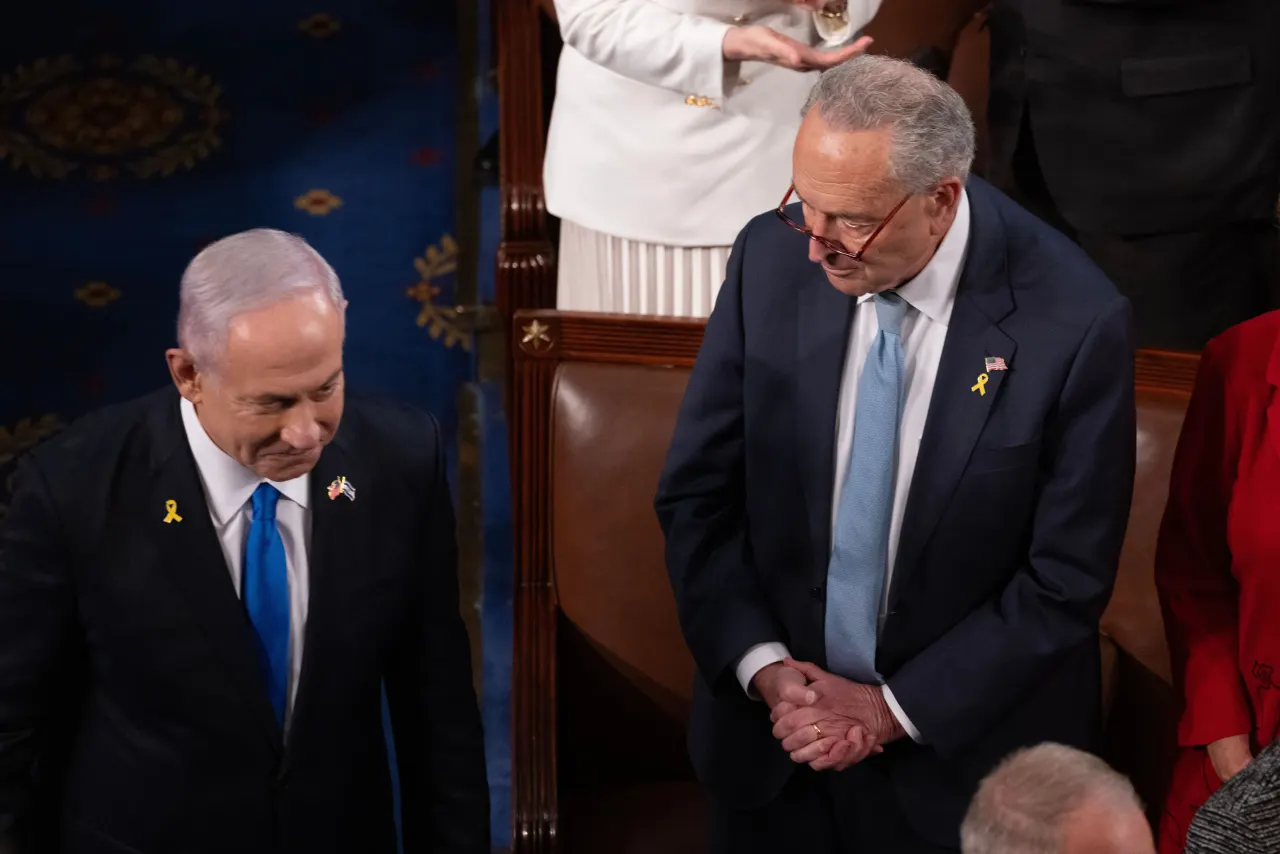
Trump allies blamed the Iran war and its economic effects for Republicans’ losses of the House and Senate in the midterm elections. They argued that higher fuel costs and inflation undermined the party’s promise to reduce living costs, while some criticised advisers for drawing Trump into a prolonged conflict without a clear exit.
The war began on 28 February with Israel, after Trump had said earlier US strikes had “obliterated” Iran’s nuclear programme, and was initially expected to last about four weeks. More than eight months later, Iran’s actions around the Strait of Hormuz had driven up global energy prices, contributing to inflation and higher interest rates. Oil prices fell as peace talks advanced, but allies said the change came too late to affect the vote; Trump acknowledged Iran may have played a part, while defending the campaign’s importance.
In short
- Trump allies blamed the Iran war for Republican losses.
- Fuel costs and inflation were central concerns.
- Trump defended the war’s importance despite the defeat.
Steelman: both sides, in good faith
The strongest fair case each way — we don't pick a winner.
The case for
Critics of the war can argue that a prolonged conflict with no clear exit raised fuel prices and inflation, directly weakening Republicans’ promise to make daily life more affordable. If the administration underestimated the economic and electoral costs, voters were entitled to hold the governing party accountable, and peace advances that came too late would not undo the damage.
The case against
Defenders can argue that confronting Iran served important security aims and that the consequences of the conflict should not be judged solely by short-term economic or electoral costs. Energy prices were also shaped by Iran’s actions around the Strait of Hormuz, and falling oil prices as peace talks advanced may support the view that the campaign helped create pressure for a settlement.
Explained simply
The United States and Israel began fighting Iran on 28 February, after President Donald Trump had said earlier US strikes had destroyed Iran’s nuclear programme. The conflict was first expected to last about four weeks, but continued for more than eight months.
Iran’s actions around the Strait of Hormuz, a key route for global oil shipments, helped push up energy prices. Higher fuel costs added to inflation and interest rates, putting pressure on household budgets and making it harder for Republicans to meet their promise to reduce living costs.
The Republican Party is Trump’s party; the House and Senate are the two chambers of the US Congress, which makes federal laws. Some Republican allies said the war and its economic effects hurt the party in the midterm elections, while others questioned the advice that led Trump into a prolonged conflict without a clear exit plan.
Elections Middle East Politics World