Politics news and discussion on TalkFuse.
Myanmar government rejects use of term ‘Rohingya’ in CNA programme, says Rohingya ‘never existed’ as an ethnic identity
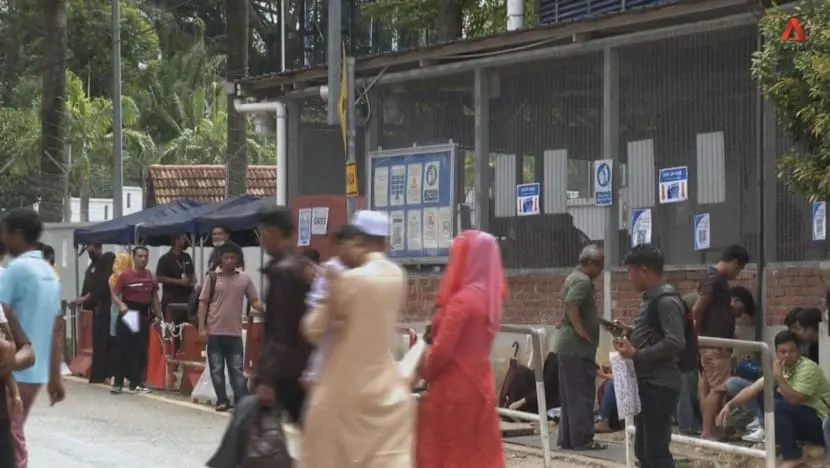
Myanmar’s military government has objected to a CNA programme about Rohingya refugees in Malaysia, rejecting “Rohingya” as an ethnic identity and calling the term unacceptable. CNA says it stands by its reporting, explaining that it used the name in line with established international usage and included the Myanmar government’s position.
The programme, “Malaysia’s Rohingya Riddle”, aired on Oct 15 and examined tensions between humanitarian concerns and national interests as hostility towards Rohingya refugees rises in Malaysia. Myanmar’s statement cited colonial-era census records and said 8,041 nationals were repatriated by air and 1,476 by navy vessels; it also accused the programme of politically motivated propaganda. CNA said the documentary did not overlook or misrepresent Myanmar’s position.
In short
- Myanmar rejects “Rohingya” as an ethnic identity.
- CNA defends its terminology and reporting.
- The programme examined refugees’ situation in Malaysia.
Steelman: both sides, in good faith
The strongest fair case each way — we don't pick a winner.
The case for
Myanmar’s government can argue that naming ethnic groups is politically consequential, and that its preferred account of the term’s history and the colonial-era records it cites should be represented rather than treated as settled. It may also object to a programme it considers one-sided, while pointing to repatriations as evidence that it has taken practical steps on the issue.
The case against
CNA can argue that using “Rohingya” reflects established international usage and identifies the community discussed, without endorsing a political claim about citizenship or history. It says it included Myanmar’s position, and reporting on refugees and tensions in Malaysia can serve the public interest even when the government disputes the terminology or the programme’s framing.
Explained simply
The Rohingya are a mainly Muslim minority associated with Myanmar’s Rakhine State. Many have fled violence and persecution there, and hundreds of thousands have sought refuge in neighbouring Bangladesh; others have travelled to countries such as Malaysia.
Myanmar’s authorities have long rejected the name “Rohingya” and dispute the group’s claim to be an ethnic community with roots in the country. The dispute over identity is closely linked to questions of citizenship and belonging, as many Rohingya have been denied citizenship in Myanmar.
Malaysia hosts Rohingya refugees but is not a signatory to the UN refugee convention, and their legal status and prospects there are uncertain. The issue involves humanitarian needs, national policies and disagreements over how the Rohingya should be identified.