World news and discussion on TalkFuse.
And still, they plant: front-line farmers rebuild their businesses against all odds
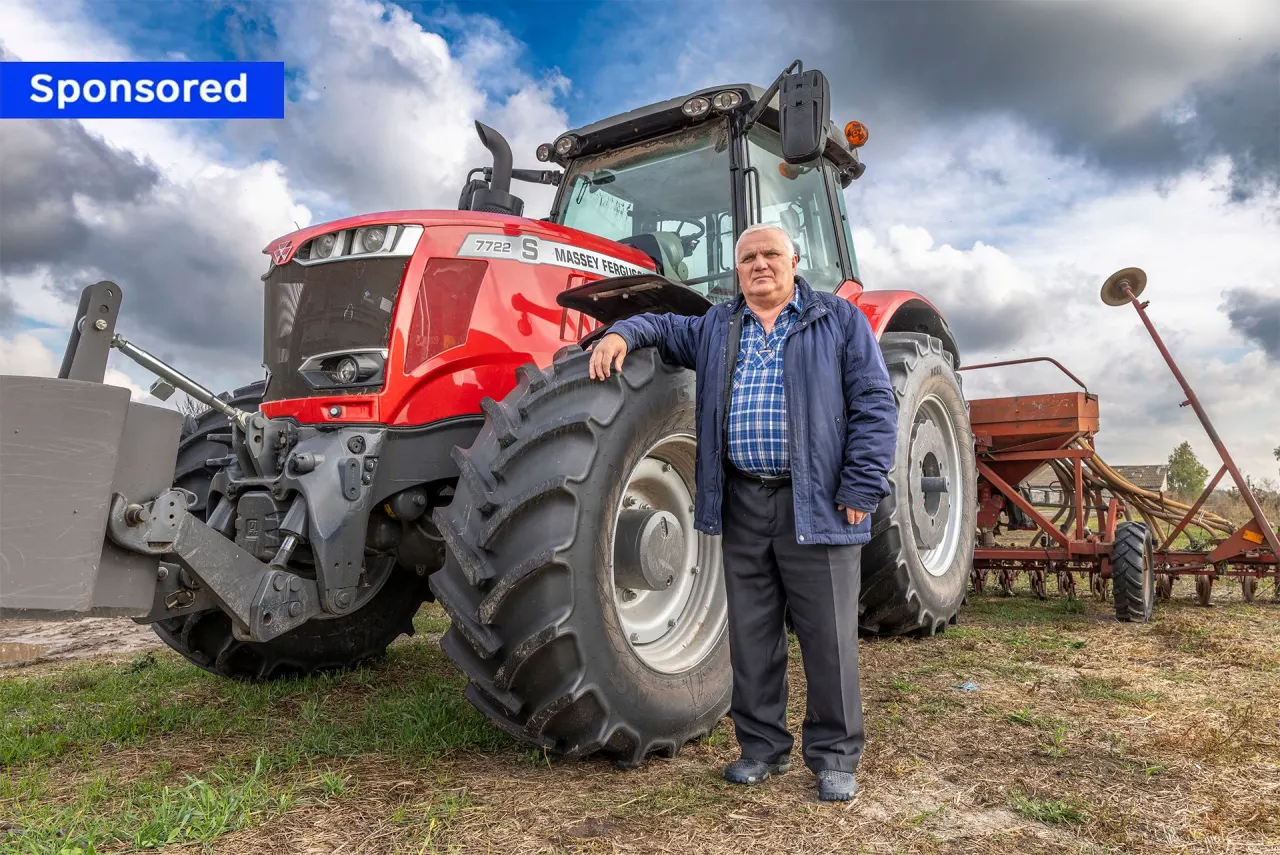
Russian attacks have repeatedly damaged front-line farms in Ukraine’s Sumy Oblast, putting livelihoods and food production at risk. Despite the danger and cost, farmer Volodymyr Starychenko rebuilt his dairy business with aid, illustrating how targeted support can help farmers keep operating during the war.
A late 2024 drone strike destroyed a main barn at Starychenko’s farm, killed 27 cows and incinerated a tractor; rebuilding took a year and a half. Before the war, his family farm had grown to 200 cows and supplied a local community of more than 30,000. Attacks on storage and distribution sites are also disrupting food supplies, while Ukraine could face a grain storage shortfall of up to 11 million tonnes by November 2026, according to the Food and Agriculture Organization.
In short
- A drone strike killed 27 cows and destroyed a barn and tractor.
- International aid helped Starychenko rebuild his farm.
- Attacks on storage sites threaten food distribution and grain capacity.
Steelman: both sides, in good faith
The strongest fair case each way — we don't pick a winner.
The case for
Supporting front-line farmers helps preserve livelihoods, local food supplies and the communities that depend on them. With targeted aid, farms can rebuild damaged facilities and keep producing despite attacks, while sustaining Ukraine’s agricultural capacity during the war.
The case against
Aid for farms in areas under repeated attack may expose workers to continuing danger and direct scarce resources towards businesses that could be damaged again. Some may argue that support should prioritise immediate civilian needs or farms in safer regions, where it could protect food production with less risk and greater certainty.
Explained simply
Sumy Oblast is a region in north-eastern Ukraine, close to the Russian border and exposed to attacks during the war. Farms there face risks to workers, animals, buildings and machinery, while damage to storage and transport can make it harder to get food to local communities.
Volodymyr Starychenko runs a family dairy farm that supplied a community of more than 30,000 people before the war. Keeping farms like his operating matters for farmers’ livelihoods and for Ukraine’s food supply; the UN’s Food and Agriculture Organization has warned that the country may lack up to 11 million tonnes of grain storage by November 2026.