Technology news and discussion on TalkFuse.
What’s the Difference Between an Ebike and an E-Moto?
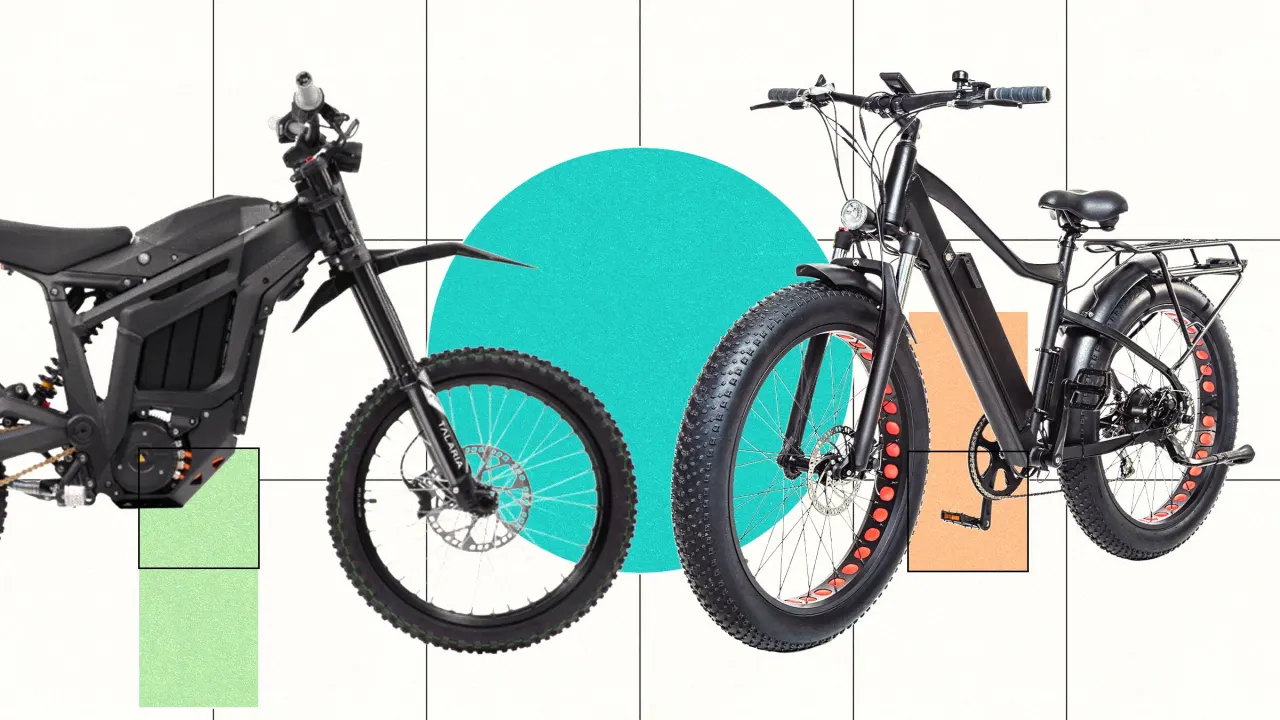
US interest in electric two-wheelers has grown since the pandemic, but falling sales and rising injuries, particularly among children, have sharpened questions about how these vehicles are classified. The distinction matters because powerful e-motos may be subject to licensing, age, registration and insurance rules, even when sellers market them in ways that make them look like bicycles.
Class 1 ebikes provide pedal assistance up to 20 mph; Class 2 models add a throttle up to 20 mph, while Class 3 pedal assistance cuts out at 28 mph, or 25 mph in some places. Most states regulate ebikes much like bicycles, but rules vary; 1,000-watt vehicles and above are generally classed as e-motos or mopeds, with motors ranging from 1,000 to 6,000 watts and speeds reaching 60 mph. Buyers should check local requirements before purchasing.
In short
- Ebike classes differ by how they assist and their speed limits.
- Vehicles with 1,000 watts or more are generally e-motos.
- Local rules may require e-moto licences, registration and insurance.