World news and discussion on TalkFuse.
Moscow: where commuting is the best part of the trip
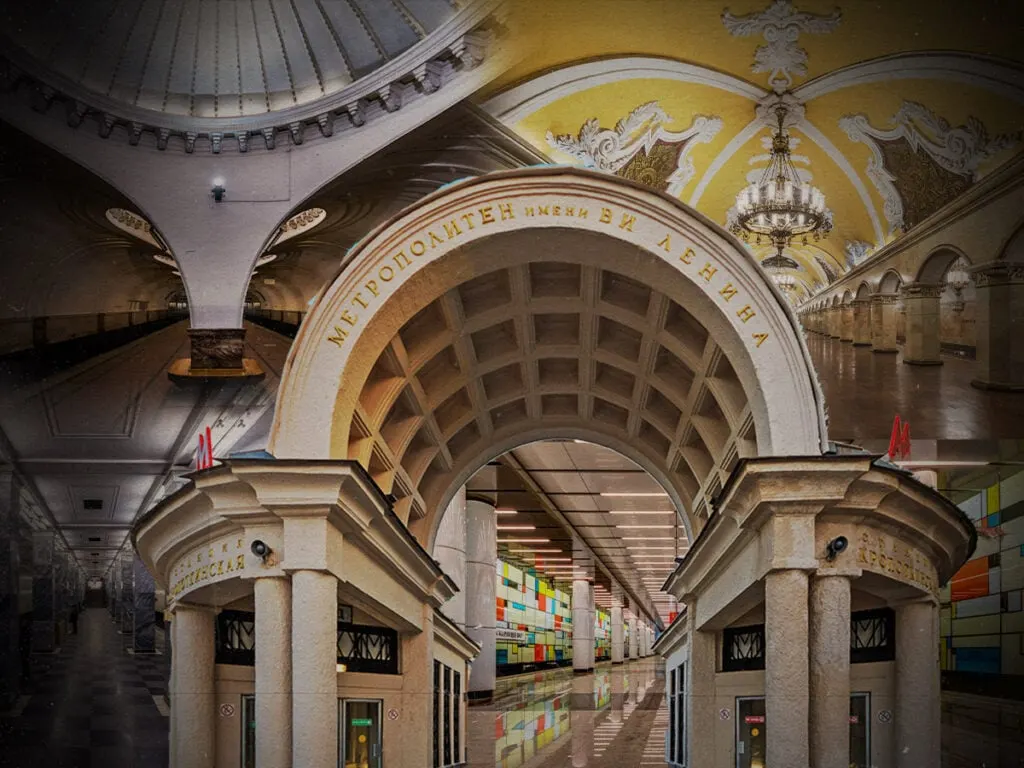
Moscow’s Metro is both the city’s transport network and a showcase of Soviet history and ideology. Opened in 1935, it was designed to make stations “palaces for the people”, combining practical commuting with monumental architecture that presented the state’s power and its promise of prosperity.
The article describes around 250 stations, many decorated with materials sourced from across the Soviet Union. Komsomolskaya features chandeliers, yellow ceilings and mosaics of military heroes, while Mayakovskaya is known for its Art Deco design and illuminated ceiling panels. At Ploshchad Revolyutsii, 76 bronze figures represent people associated with socialist society; changes to station artwork, including the removal of Stalin’s panels, also reflect how Russia’s public history has been revised.
In short
- Moscow’s Metro opened in 1935.
- Its stations combine transport with Soviet history and grand design.
- Artwork changes reflect shifts in how the past is presented.
Explained simply
Moscow’s Metro is the city’s underground railway, first opened in 1935 as Moscow expanded. Its stations were built to serve daily travel and to display the Soviet government’s vision of public life and progress.
The Soviet Union was a state that included Russia and several other republics, ruled by a communist government until 1991. Metro stations such as Komsomolskaya and Mayakovskaya use mosaics, sculptures and elaborate ceilings to reflect that era’s art and official ideals.
Some station decorations have changed over time, including the removal of artwork featuring Soviet leader Joseph Stalin. The Metro therefore offers a glimpse of both the Soviet past and how public views of that history have shifted.