World news and discussion on TalkFuse.
US voters back abortion rights and reject Trump’s gerrymandering in state ballot measures
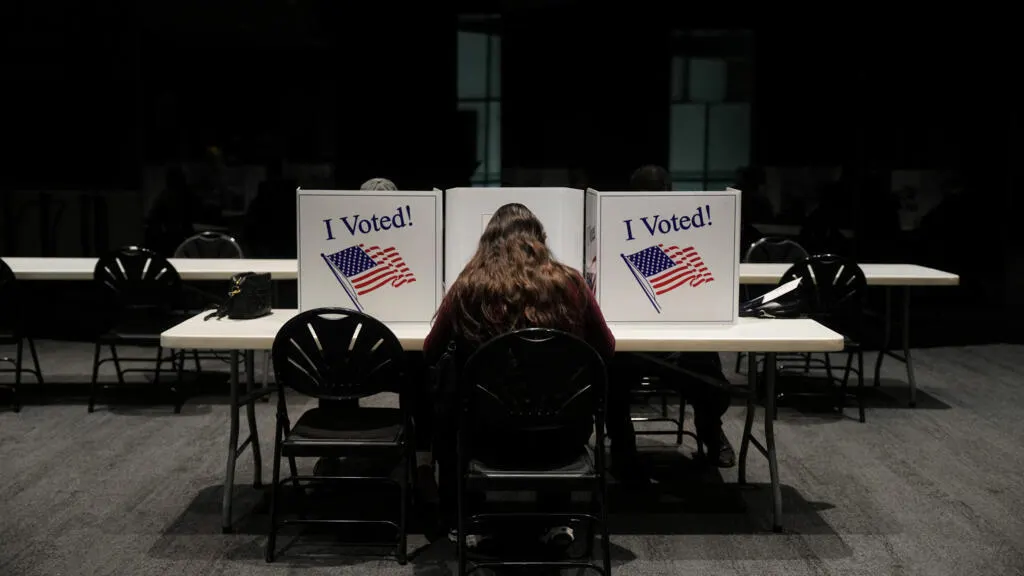
Voters approved several measures protecting abortion and reproductive rights, while rejecting a new congressional map in Missouri that Republicans had backed as part of a redistricting push encouraged by President Donald Trump. The results put some of Trump’s political priorities to a public vote and showed how state ballot measures are shaping debates over abortion and electoral representation.
Missouri voters rejected a proposed abortion ban that would have allowed exceptions for medical emergencies, foetal anomalies, and rape or incest up to 12 weeks; they also rejected the state’s new House map. Virginia approved constitutional rights covering abortion in the first two trimesters, contraception and fertility care, while Nevada approved abortion rights until foetal viability after a second vote. Idaho voters rejected an abortion-rights measure, and Maryland approved a change that could enable new congressional districts in 2028.
In short
- Missouri voters rejected a proposed abortion ban and a new Republican-backed congressional map.
- Virginia and Nevada approved constitutional protections for abortion and reproductive rights.
- Idaho rejected an abortion-rights measure, while Maryland opened the way to possible 2028 redistricting.
Steelman: both sides, in good faith
The strongest fair case each way — we don't pick a winner.
The case for
Supporters of abortion-rights measures argue that decisions about pregnancy, contraception and fertility care should rest primarily with individuals and their clinicians, with legal protections safeguarding access as political control changes. They also contend that voters should be able to reject electoral maps they consider unfair and that representative boundaries should reflect communities rather than entrench one party’s advantage.
The case against
Opponents argue that states should retain broad authority to regulate abortion, reflecting moral concerns about foetal life and the views of local voters; they may favour restrictions with exceptions for serious circumstances. On district maps, they can argue that legislatures elected by voters have a legitimate role in drawing boundaries and that redistricting should follow established state processes, rather than be decided through ballot measures.
Explained simply
In the United States, state ballot measures let voters decide directly on proposed laws or changes to their state constitution. They have become one way to set abortion rules since the US Supreme Court ended nationwide constitutional protection for abortion in 2022, leaving states to decide much of the issue.
The measures involved different policies: some would protect access to abortion or other reproductive care, while others sought to restrict it. Voters also considered changes to congressional maps, which divide each state into districts for elections to the US House of Representatives.
President Donald Trump has urged Republican-led states to redraw maps in ways that could help Republicans win more seats. The results show how voters can weigh in on both reproductive rights and political representation at state level.
Americas Elections Government Politics World