World news and discussion on TalkFuse.
US midterms bring surge of historic firsts for women and members of minority groups
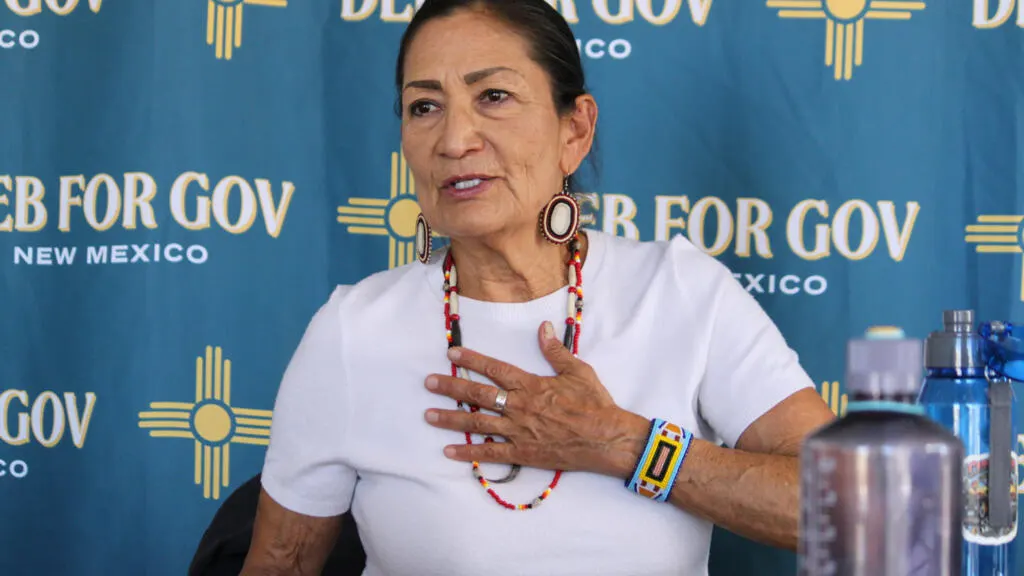
The 2026 US midterm elections produced a series of historic firsts for women and members of minority groups, alongside major Democratic gains. The results reflect a wider range of candidates reaching senior elected office and, advocates say, years of organising by communities that have been under-represented.
Democrat Deb Haaland was elected New Mexico governor, becoming the first Native American woman to hold the role, while Minnesota’s Peggy Flanagan became the first Native American woman elected to the US Senate. Georgia elected Keisha Lance Bottoms as its first Black woman governor; the article also reports the election of the first openly gay male senator and, by Wednesday, the first Muslim senator. A possible first Black Speaker of the House was also anticipated, while some vote counts, including Alaska’s Senate race, were still ongoing.
In short
- Midterms brought a wave of historic electoral firsts.
- Deb Haaland became the first Native American woman governor.
- Some races were still being counted.
Explained simply
US midterm elections take place halfway through a president’s four-year term and decide seats in Congress, as well as many state and local offices. Congress makes federal laws and includes the House of Representatives and the Senate; governors lead individual states.
Women and people from racial, Indigenous and religious minority groups have historically been under-represented in these offices. Their election can broaden who holds political power, while the outcomes also shape the balance of parties in government.
Candidates and voters are organised by political parties, mainly the Democrats and Republicans. Community groups and advocates often work to encourage participation and support candidates, though the reasons people vote for them vary.
Americas Elections Government Politics World