World news and discussion on TalkFuse.
Ten historic firsts: the winning US midterm candidates making waves
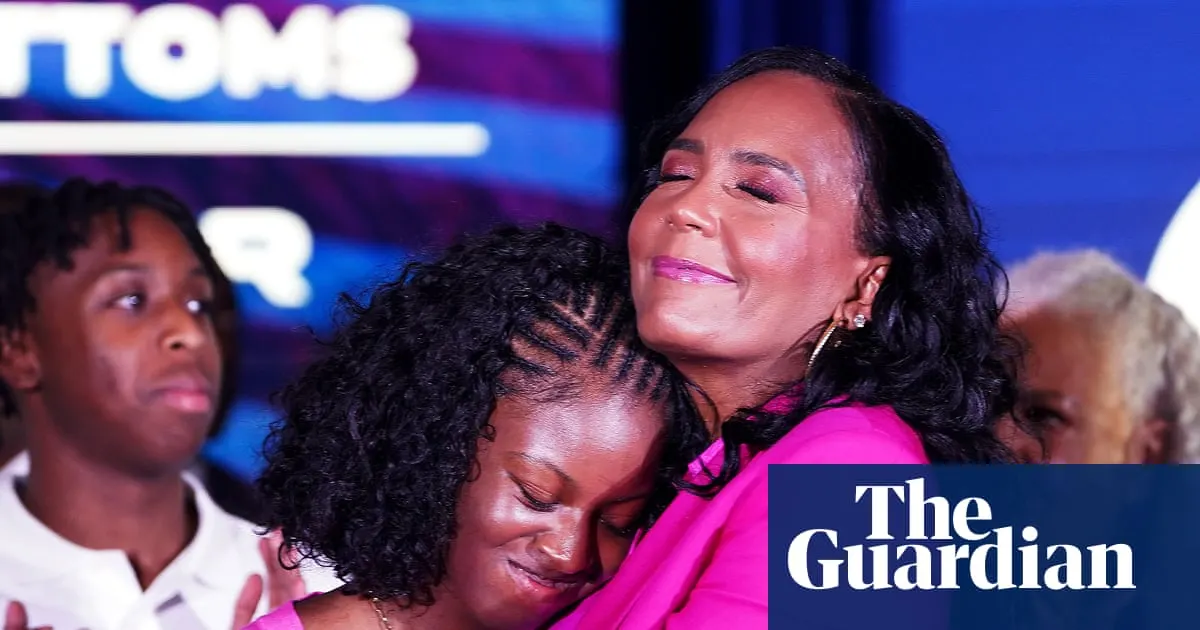
The US midterm elections produced a series of historic victories, with candidates breaking racial, gender and other barriers in state and national races. The results include the country’s first Black woman governor and the first Muslim elected to the US Senate, reshaping who holds several prominent offices.
Keisha Lance Bottoms won Georgia’s governorship, while Abdul El-Sayed defeated Mike Rogers in Michigan’s Senate race. Other firsts include Xavier Becerra as California’s first elected Latino governor, Gina Hinojosa as Texas’s first Latina governor, and Chris Pappas as the Senate’s first openly gay man; the article also highlights wins by Native American and Black candidates in other states. The supplied text ends partway through its account of Amy Acton’s Ohio victory.
In short
- Keisha Lance Bottoms is the first Black woman elected governor.
- Abdul El-Sayed is the first Muslim elected to the US Senate.
- Several candidates broke historic barriers in state and national races.
Explained simply
US midterm elections take place halfway through a president’s four-year term. Voters choose members of Congress and, depending on the state, governors and other officials; these contests can change who makes laws and leads state governments.
The candidates in these races represent different communities and political parties, and winning can bring people into offices where their groups have not previously been represented. Governors oversee state governments, while senators represent their states in the US Congress, which makes federal laws.
Historic firsts can mark a change in who holds public power and whose experiences are represented in government. They do not by themselves determine what policies officials will pursue, but they can shape how voters view political participation and representation.
Americas Elections Government Politics World