Politics news and discussion on TalkFuse.
From Texas to Kansas, 6 stunning midterm results that upended the political map
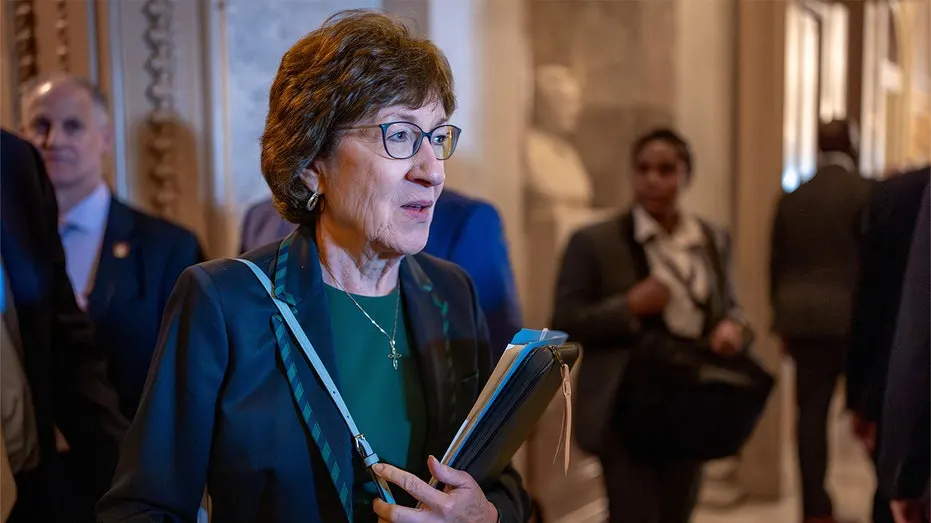
The 2026 midterms have reshaped US politics: Democrats have taken control of both chambers of Congress, while several high-profile Republicans lost races in traditionally competitive or Republican-leaning states. The results are presented as a rebuke of President Donald Trump and mark a major shift in the political map.
Among the reported surprises, Maine Democrat Troy Jackson defeated long-serving Senator Susan Collins, and Michigan’s Abdul El-Sayed became the first Muslim elected to the Senate. Texas Governor Greg Abbott also lost to Democrat Gina Hinojosa after more than a decade in office. The article says Democrats had won 54 Senate seats, flipping seven, and 228 House seats, flipping 25; the supplied text ends during its account of Abbott’s campaign.
In short
- Democrats won control of the House and Senate.
- Troy Jackson defeated Susan Collins in Maine.
- Gina Hinojosa unseated Texas Governor Greg Abbott.
Steelman: both sides, in good faith
The strongest fair case each way — we don't pick a winner.
The case for
Democrats can argue that the results reflect voters’ considered response to the administration and a desire for a change in direction, especially as several established Republicans lost in states where their parties had been competitive or favoured. Winning both chambers would give Democrats a mandate to pursue their priorities and provide stronger congressional scrutiny of the president.
The case against
Republicans can argue that a sweeping national result does not establish that every race was a direct verdict on the president or that voters endorsed the full Democratic agenda. They may point to the distinct local circumstances of individual contests and argue that Democrats should use their new majorities with restraint, recognising that voters can be dissatisfied with incumbents without supporting a broad political realignment.
Explained simply
The US Congress has two chambers: the Senate, where each state elects two senators, and the House of Representatives, whose seats are allocated by population. Midterm elections take place halfway through a president’s four-year term and decide all House seats and roughly a third of the Senate.
The president’s party does not always control Congress, and election results can affect which laws advance and how the administration is scrutinised. State elections are separate: voters choose governors to lead state governments, which make decisions on matters such as education and public services.
Elections Government Politics World