Politics news and discussion on TalkFuse.
Want to know what all your co-workers earn? Be careful what you wish for | André Spicer
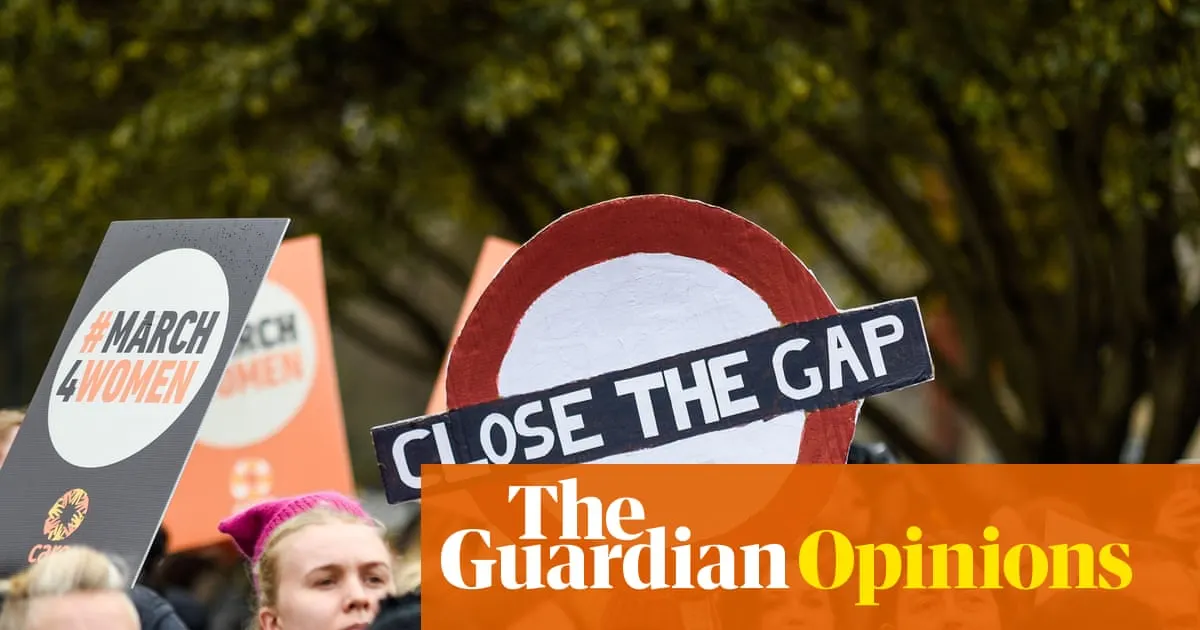
The Equality and Human Rights Commission is proposing that workers should be able to request detailed information about colleagues’ pay, bonuses and perks, aiming to reduce gender inequality. The article argues that greater openness can expose unfair differences, but individual-level disclosure may also bring costs, including resentment, lower motivation and staff leaving.
Existing UK rules require large employers to publish gender pay gaps, and some sectors to report the gender balance among staff earning over £100,000. A study found UK gender pay reporting reduced the pay gap by 19%, mainly by slowing men’s pay growth; research also found benefits for some highly paid women and improved mental health among women in Denmark. The article says transparency has not changed occupational choices and has sometimes coincided with lower wage growth and productivity.
In short
- EHRC proposes access to colleagues’ individual pay details.
- Existing reporting reduced the UK gender pay gap by 19%.
- Greater transparency may also affect morale and productivity.
Steelman: both sides, in good faith
The strongest fair case each way — we don't pick a winner.
The case for
Allowing workers to see detailed pay and benefits could expose unjustified differences that broad gender pay-gap figures conceal, giving employees evidence to challenge unequal treatment. Existing reporting has been associated with a narrower UK gender pay gap, benefits for some highly paid women and improved mental health among women in Denmark, suggesting that openness can support fairness and accountability.
The case against
Individual-level disclosure could make pay differences more visible without explaining the roles, experience or negotiations behind them, fuelling resentment and weakening motivation or retention. Critics can also point to evidence that transparency has not shifted occupational choices and has sometimes coincided with slower wage growth and lower productivity, so they may favour aggregate reporting and targeted remedies over access to colleagues’ personal pay details.
Explained simply
Pay transparency means making information about workers’ earnings available, either as broad comparisons or as details about individuals. In the UK, large employers already have to publish figures showing the difference between men’s and women’s average pay, and some must report the gender balance among staff earning more than £100,000.
The Equality and Human Rights Commission is proposing that workers be able to ask for detailed information about colleagues’ pay, bonuses and benefits. The aim is to help identify unfair differences, including gaps linked to gender. Research on existing reporting rules has found some narrowing of the gender pay gap, but also mixed effects on wages, productivity and workplace choices.
Sharing individual pay details could help workers compare what they earn and question differences, but it may also affect relationships and motivation at work. How employers handle the information could matter to staff retention as well as efforts to reduce inequality.