World news and discussion on TalkFuse.
With midterms over, fears of renewed US war with Iran
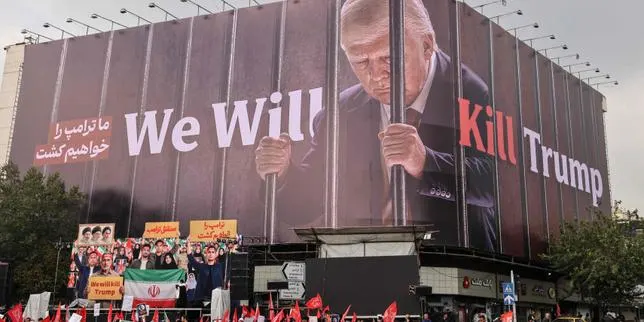
Donald Trump has continued to threaten new US strikes on Iran after Republicans suffered a major defeat in the midterm elections. The prospect of renewed fighting matters because the conflict has driven up oil prices, hurt household budgets and become a politically damaging issue, while an Iranian response could have serious regional consequences.
Trump said the US had control of the Strait of Hormuz and suggested strikes could follow the vote, after a US attack on an Iranian anti-aircraft site on Qeshm Island. Israeli Prime Minister Benjamin Netanyahu has urged further action, but Trump has also voiced doubts and announced an end to the $3.8 billion in annual US military aid to Israel. Diplomats from Qatar, China, Russia and Oman have been active, while Tehran says it wants Washington to meet seven conditions before reopening the strait.
In short
- Trump has left the door open to new strikes on Iran after the midterms.
- The conflict has raised oil prices and contributed to Republican losses.
- Diplomats are trying to prevent escalation as Tehran sets conditions.
Steelman: both sides, in good faith
The strongest fair case each way — we don't pick a winner.
The case for
Supporters of renewed US strikes could argue that Iran’s actions and control of a vital shipping route pose serious security risks, and that a credible threat of force may protect navigation and deter further attacks. They may see limited military action as a way to strengthen US leverage in negotiations and reassure regional partners, while judging that diplomacy alone has not secured the strait’s reopening.
The case against
Opponents could argue that further strikes risk widening the conflict, prompting Iranian retaliation and destabilising the region, with consequences for civilians and global energy supplies. They may also contend that higher oil prices are already burdening households, and that diplomacy offers a better chance of reopening the strait without deepening a politically costly war.
Explained simply
The Strait of Hormuz is a narrow sea route between Iran and the Gulf states, used by ships carrying much of the world’s oil. Iran and the United States have been in conflict over security and influence in the region, and fighting around the strait can disrupt shipping and push up energy costs.
Donald Trump leads the US government, while Benjamin Netanyahu is Israel’s prime minister; Israel and the US have long had close military ties. Iran’s government is led by a separate political system, and its military can affect shipping and other countries across the region. Qatar, China, Russia and Oman have also been involved in diplomatic efforts.
The conflict matters beyond the countries directly involved because higher oil prices can raise transport and household costs elsewhere. Any renewed fighting could also draw in regional actors and make diplomacy harder.
Americas Elections Middle East Politics World