World news and discussion on TalkFuse.
US voters back local restrictions on data centre development
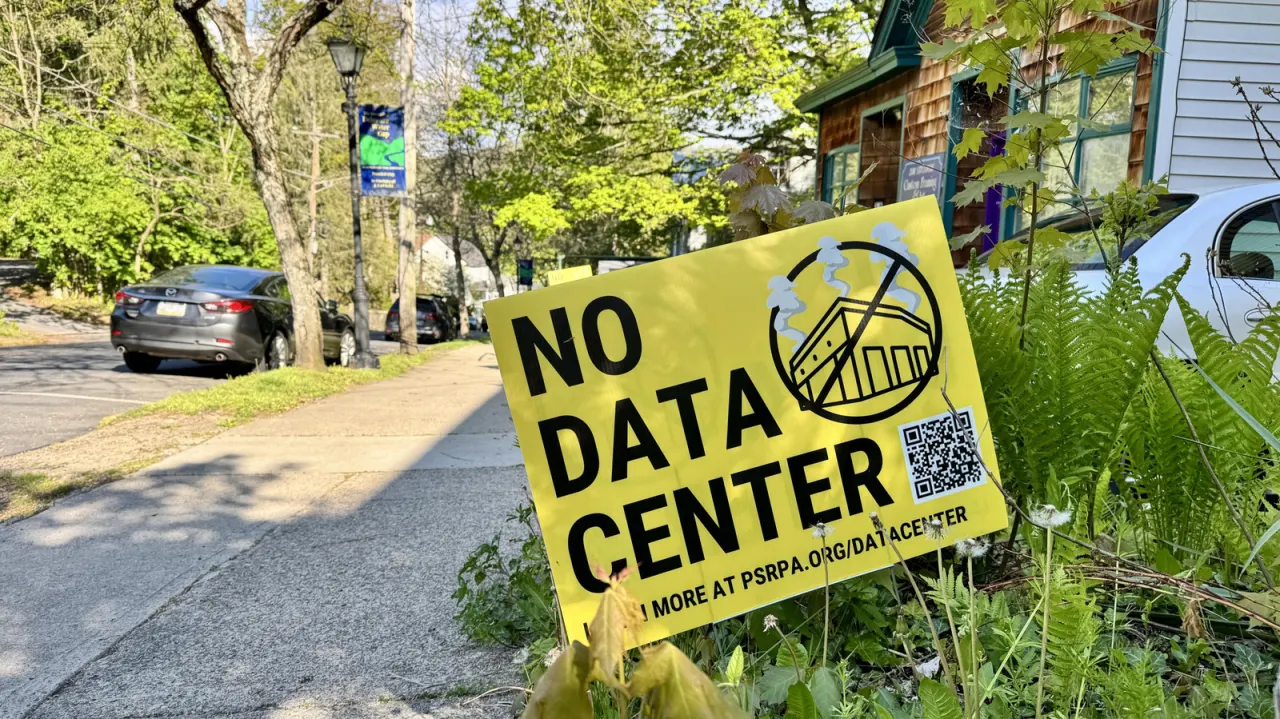
Voters in local elections across the United States backed measures to restrict data centre development, signalling broad concern about the facilities’ local impact. The results could make it harder for projects to proceed and show that AI and data centres have become significant political issues.
There were 45 ballot measures across 10 states; by early Wednesday, 33 had passed and six more were projected to pass, according to the article’s tracker. In Ohio, all 20 measures were winning or projected to win, including bans backed by 76 per cent of voters in Urbana and 77 per cent in Hubbard. An NBC exit poll found 56 per cent of voters said AI and data centres were a crucial or major factor in their congressional vote.
In short
- Voters backed restrictions on data centres across multiple states.
- Ohio’s 20 measures were all winning or projected to pass.
- 56 per cent said AI and data centres shaped their congressional vote.
Steelman: both sides, in good faith
The strongest fair case each way — we don't pick a winner.
The case for
Local restrictions give residents a meaningful say over developments that can affect their communities for years. Voters may reasonably prioritise concerns such as heavy electricity and water use, pressure on infrastructure, and whether local benefits justify those costs; strong ballot support suggests these concerns deserve political weight.
The case against
Data centres support digital services and AI and can bring investment, jobs and tax revenue, so broad restrictions may sacrifice economic opportunities. A project’s effects can vary by location and safeguards, making case-by-case planning and enforceable conditions a more proportionate way to address local costs while allowing needed infrastructure to proceed.
Americas Elections Politics World
Read the full article at the source →
Originally published by Engadget as “Americans overwhelmingly voted against data centers in the midterms”.