Politics news and discussion on TalkFuse.
Democrats’ midterm sweep fuels $750 billion Big Tech rally
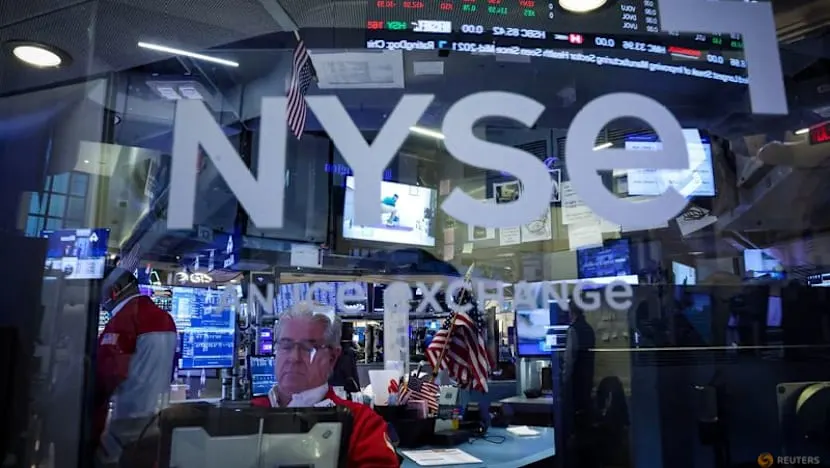
A Democratic sweep in the US midterm elections helped drive a sharp rise in major technology shares, as investors anticipated that opposition to new data centres could slow construction and ease spending pressures. The gains reversed recent losses linked to concerns that the artificial intelligence boom was forcing cloud companies into costly, debt-backed expansion.
Amazon rose 7.4 per cent, while Meta, Alphabet and Microsoft gained between 2 and 6.3 per cent; Apple climbed nearly 7 per cent to a record. If the gains hold, the five firms would add more than $750 billion in market value. Big Tech plans to spend over $740 billion this year on capacity, while smaller data-centre companies fell amid fears that construction limits could hinder their expansion.
In short
- Big Tech shares rallied after Democratic midterm victories.
- Investors expect data-centre expansion to slow.
- The five biggest firms could gain $750 billion in value.
Steelman: both sides, in good faith
The strongest fair case each way — we don't pick a winner.
The case for
Investors may reasonably see stronger local opposition to data centres as a check on a costly building race, easing pressure on technology firms to borrow heavily and spend at an unsustainable pace. If constraints curb excess capacity while leaving room for useful AI investment, they could improve returns and reduce financial risk for shareholders.
The case against
Limits on data-centre construction could also restrict the infrastructure needed to meet growing demand for cloud computing and AI, slowing innovation and future growth. Smaller operators may be particularly exposed, and tighter capacity could raise costs for businesses and consumers that rely on these services.
Explained simply
US midterm elections choose members of Congress, which makes federal laws and oversees the government. The two main parties are the Democrats and Republicans; the party that controls Congress can shape legislation and influence what businesses are allowed to do.
Major technology companies such as Amazon, Meta, Alphabet, Microsoft and Apple depend on data centres: large facilities that store information and run online services and artificial intelligence systems. Building and operating them requires substantial investment, including in land, electricity and computer equipment.
Local and national debates over data-centre construction can affect how quickly companies expand and how much they spend. Investors weigh those costs and possible restrictions when valuing technology firms, whose shares make up a large part of the US stock market.